
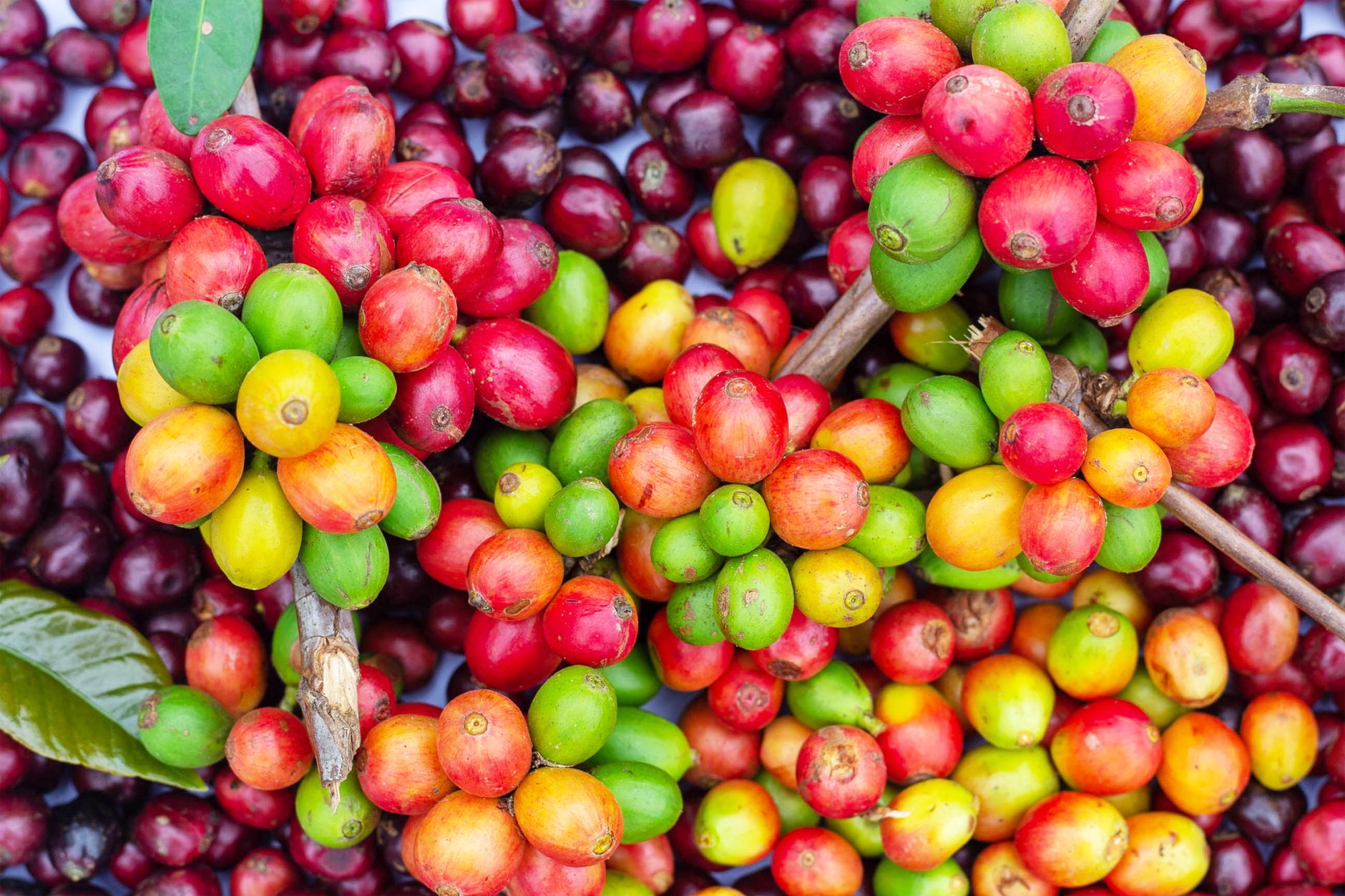
Coffee is one of the most beloved beverages globally, yet many people may not know its origin goes beyond the robust beans they brew each morning. The plant itself produces a fruit, often referred to as coffee cherries or coffee berries. This article delves into whether coffee fruit is edible, its nutritional profile, culinary uses, and potential health benefits.
Understanding the edibility of coffee fruit can open up new culinary opportunities for enthusiasts looking to explore flavors beyond conventional coffee. From its taste to its uses, discovering the potential of coffee fruit can be an exciting journey for any food lover.
Is Coffee Fruit Edible?
Yes, coffee fruit is edible, and it possesses a sweet, fruity flavor profile that differs significantly from traditional coffee. While most people consume coffee in the form of brewed beverages made from roasted beans, the coffee cherry itself is often overlooked, despite being packed with nutrients and unique flavors.
Classification of Coffee Fruit
To better understand coffee fruit, it is essential to classify its biological and culinary aspects. Coffee plants belong to the Rubiaceae family and the Coffea genus. The most commonly grown species are Coffea arabica (Arabica coffee) and Coffea canephora (Robusta coffee).
- Coffee Cherries: The fruit of the coffee plant, typically red or yellow when ripe.
- Coffee Beans: The seeds found inside the cherries, which are roasted to produce coffee.
Harvesting occurs when the cherries are ripe and ready for processing. The coffee cherry is composed of several layers: an outer skin (exocarp), a fleshy pulp (mesocarp), a silverskin (parchment), and the bean (endocarp). It is the fleshy pulp that is edible, while the beans within are primarily what people recognize as coffee.
Nutritional Profile of Coffee Fruit
Contrary to what many may think, coffee fruit is not only sweet but also nutritious. It contains several essential nutrients, antioxidants, and compounds beneficial to health. While specific values can vary based on ripeness and processing methods, here’s a general approximation of nutritional content per 100 grams of coffee fruit:
- Calories: Approximately 60-100 kcal
- Carbohydrates: 15-20 g
- Fiber: 4 g
- Sugars: 10 g (natural sugars)
- Vitamins: High in vitamin C, with some B vitamins
- Antioxidants: Contains polyphenols and chlorogenic acids
These characteristics contribute to coffee fruit’s potential health benefits, including antioxidant properties, supporting cognitive function, and sustaining energy levels. However, more research is needed to fully understand its effects.
Culinary Uses of Coffee Fruit
The culinary applications of coffee fruit are diverse, allowing chefs and home cooks to experiment with this ingredient in innovative ways. Here are some of the popular uses:
1. Fresh Consumption
The simplest way to enjoy coffee fruit is to eat it fresh. The ripened cherries have a sweet, slightly tangy flavor reminiscent of berries or grapes. Here’s how you can go about it:
- Look for ripe cherries that are firm and brightly colored.
- Wash thoroughly and bite into the fruit, discarding the pit inside to enjoy the tasty pulp.
2. Jams and Jellies
Using coffee fruit to make jams and jellies can be an excellent way to preserve its flavor for later use. Here’s a basic overview of how to create coffee fruit jam:
- Gather ripe coffee cherries, sugar, and pectin (if desired).
- Cook the cherries in a pot with a little water until softened.
- Add sugar to taste and pectin, following package instructions to achieve the correct consistency.
- Pour the mixture into sterilized jars and seal.
3. Smoothies and Juices
Because of their fruity flavor, coffee cherries can be blended into smoothies or pressed into juices. They pair well with other fruits such as bananas, berries, or citrus. For a refreshing smoothie:
- Combine fresh coffee cherries, your fruit of choice, yogurt, and a splash of water or juice in a blender.
- Blend until smooth.
- Adjust sweetness with honey or agave syrup if needed.
4. Coffee Fruit Extracts
Coffee fruit extracts are gaining popularity for their potential health benefits. These extracts can be added to various beverages, protein powders, and health foods. Look for concentrated forms sold in health food stores or online.
5. Culinary Garnishes
Fresh coffee cherries can also serve as a colorful and flavorful garnish for desserts or savory dishes. They can be added to salads or paired with cheese for an unexpected twist.
Potential Health Benefits of Coffee Fruit
The health benefits associated with coffee fruit primarily stem from its rich content of antioxidants and nutrients. Some potential benefits include:
- Antioxidant Properties: The high levels of antioxidants help combat oxidative stress in the body.
- Cognitive Function: Some studies suggest that the compounds in coffee fruit may support brain health.
- Anti-Inflammatory Effects: Certain polyphenols in coffee fruit may have anti-inflammatory properties.
However, moderation is crucial, and individuals should be mindful of their overall diet. Always consult with a healthcare professional before introducing new ingredients into your routine, particularly when considering concentrated extracts.
Harvesting and Preparing Coffee Fruit
Harvesting coffee cherries generally takes place once they reach peak ripeness. This is crucial for ensuring maximum flavor and nutritional value. Below are essential points for preparing coffee fruit:
Harvesting
1. **Timing**: Monitor the color of the cherries. They typically turn from green to red or yellow when ripe.
2. **Manual Picking**: Hand-picking is ideal to ensure only ripe fruit is harvested. This method reduces damage and maintains quality.
Preparing Coffee Fruit for Use
Once harvested, coffee cherries can be treated as follows:
- Wash the cherries thoroughly to remove any dirt or residues.
- Remove the pits if consuming fresh, or process them for jams and juice.
- Store unprocessed cherries in a cool, dry place if not used immediately.
Common Mistakes and Troubleshooting
While working with coffee fruit may seem straightforward, several common mistakes can reduce the quality and enjoyment of this unique ingredient. Here are tips to avoid pitfalls:
- Using Unripe Cherries: Avoid harvesting before they are fully ripe, as unripe cherries can be bitter and lack flavor.
- Overcooking in Preserves: When making jams, do not overcook the cherries to prevent loss of flavor and texture.
- Improper Storage: Fresh cherries should be kept in a cool place to prevent spoilage.
Storage and Preservation
Proper storage techniques can help maintain the quality of coffee fruit. Here are some reliable methods:
Fresh Coffee Fruit
- Store in the refrigerator to extend freshness for about a week.
- Ensure cherries are dry to prevent mold growth.
Preserved Products
- Jam and jelly can typically be stored in the pantry until opened but should be refrigerated afterward.
- Juices should be stored in airtight containers in the refrigerator and consumed within a few days.
Conclusion
Exploring coffee fruit expands your culinary horizons and encourages a broader appreciation for this integral part of coffee production. The versatility of coffee cherries in various recipes, from fresh consumption to preserves, showcases their potential beyond traditional brewing. Whether you are looking to create unique dishes or enhance your health, coffee fruit can serve as a valuable ingredient in your kitchen.
For a delightful experience, consider trying your hand at making coffee syrup or a unique beverage like protein coffee. Discovering new recipes and methods will further enrich your culinary adventures with this often-overlooked fruit.