
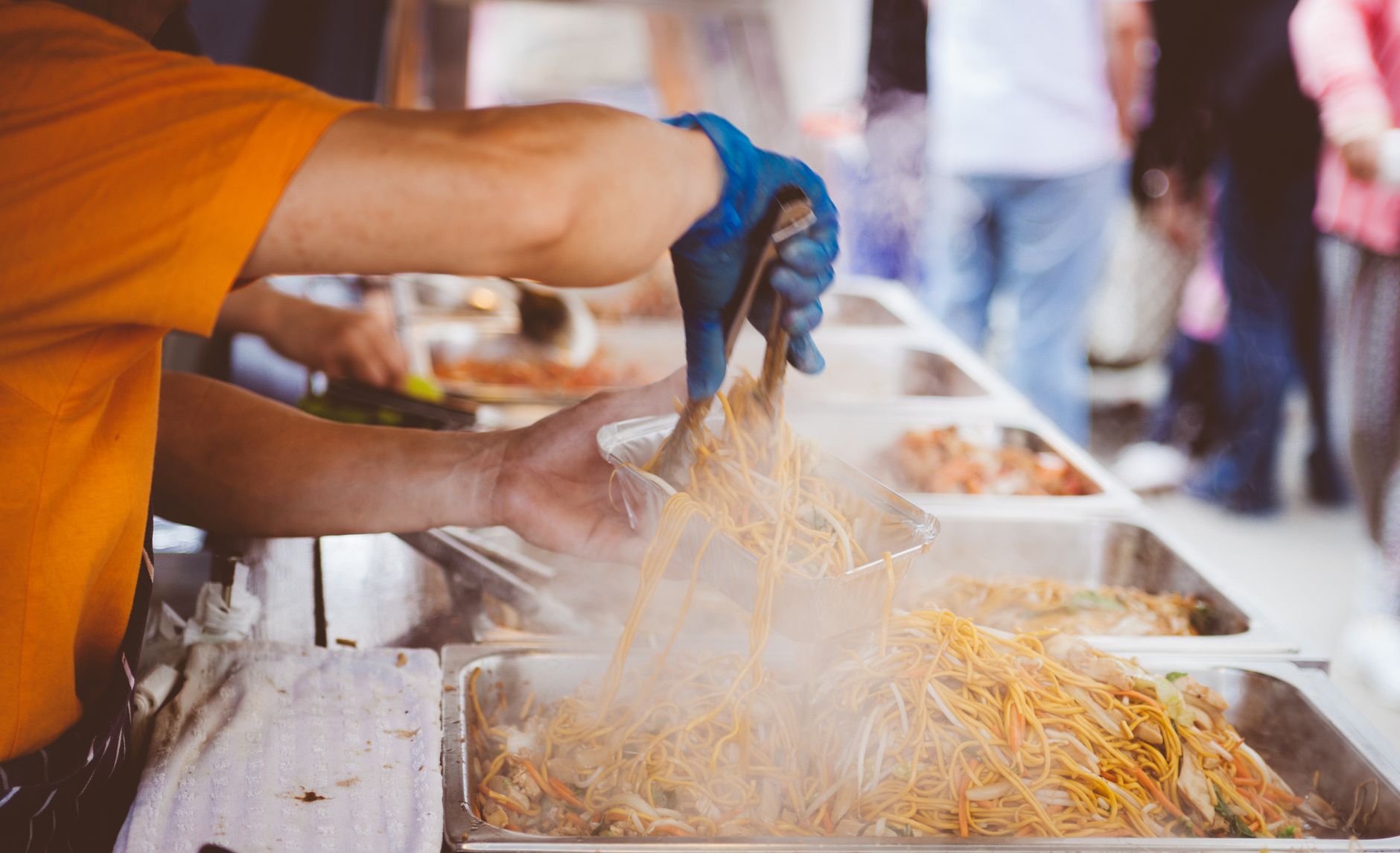
Chow mein is a popular dish originating from Chinese cuisine, well-known for its stir-fried noodles mixed with a variety of vegetables and proteins. The focus of this article is to explore chow mein noodles, their characteristics, uses, and how they can enhance your culinary creations.
Chow mein noodles can vary in texture and style depending on how they are prepared. Understanding this noodle’s versatility will allow you to incorporate it into your meals seamlessly. Let’s dive deeper into the world of chow mein noodles!
Is Chow Mein Noodles?
Chow mein noodles are a type of Chinese noodle specifically used in the preparation of chow mein dishes, which encompass various stir-fried noodle recipes. These noodles can typically be divided into two categories: crispy and soft, both offering unique culinary experiences.
Understanding Chow Mein Noodles
Chow mein noodles are generally made from wheat flour and water, giving them a chewy, satisfying texture. These noodles come in two main types: fresh and dried.
Types of Chow Mein Noodles
- Fresh Chow Mein Noodles: These come pre-cooked and are soft, requiring only a brief stir-frying time. They have a slightly chewy texture and absorb flavors well.
- Dried Chow Mein Noodles: These noodles must be boiled before use, becoming tender upon cooking. Dried chow mein noodles tend to be more versatile, as they can be used in various dishes beyond chow mein.
Flavor and Texture Profile
Chow mein noodles have a subtle flavor that complements the ingredients in a dish. When combined with soy sauce, vegetables, and proteins, they absorb flavors beautifully and contribute to a savory, satisfying bite. The texture can range from crisp to chewy, depending on how they are cooked.
Culinary Uses of Chow Mein Noodles
Chow mein noodles can be used in a variety of dishes, ranging from traditional stir-fries to creative fusion recipes. Here are some common uses:
1. Classic Chow Mein
This dish typically features stir-fried chow mein noodles with a mix of vegetables such as bell peppers, onions, bean sprouts, and your choice of protein like chicken, shrimp, or tofu. It’s a simple yet delicious combination that showcases the noodles’ ability to absorb flavors.
2. Noodle Salad
Chow mein noodles can also be used in cold noodle salads, paired with fresh vegetables and a tangy dressing. Their texture offers a delightful contrast to crunchy vegetables.
3. Fried Noodles
These noodles can be pan-fried or deep-fried until crispy, creating a crunchy base for various dishes or enjoyed as a standalone snack. The fried version makes an excellent accompaniment to soups and can be topped with sauces.
4. Stir-Fries
Chow mein noodles work well as a base in fusion stir-fries by combining various cuisines, such as Thai or American flavors. The noodles’ adaptability allows for excitement and experimentation in your kitchen.
Cooking Techniques for Chow Mein Noodles
Cooking chow mein noodles requires proper technique for the best results. Here are some essential methods:
Cooking Fresh Chow Mein Noodles
- Bring a pot of water to a boil.
- Add the fresh noodles to the boiling water and cook for about 2–3 minutes until they are heated through.
- Drain the noodles and rinse them under cold water to stop the cooking process.
- Set the noodles aside and stir-fry them with your desired ingredients.
Cooking Dried Chow Mein Noodles
- Boil a pot of water. Add a pinch of salt.
- Submerge the dried noodles into the boiling water.
- Cook for about 4–6 minutes or until the noodles are al dente. Stir occasionally to prevent sticking.
- Drain and rinse under cold water, shaking off excess water.
- Now they are ready to be used in any chow mein dish.
Common Mistakes and Troubleshooting
While cooking chow mein noodles, several common pitfalls might occur. Here are a few and how to avoid them:
Overcooking the Noodles
Overcooked noodles can become mushy and sticky. Always refer to the cooking time on the package and taste the noodles to ensure they are al dente.
Sticky Noodles
If your noodles stick together, it might be due to insufficient rinsing after boiling. Rinse the noodles under cold water immediately after cooking to remove excess starch.
Unbalanced Flavors
Chow mein can sometimes have unbalanced flavors. Ensure to taste as you cook and adjust your soy sauce, seasoning, and other flavoring agents to fit your palate.
Serving Suggestions for Chow Mein Noodles
When serving chow mein, presentation can enhance the dish’s enjoyment. Here are some suggestions:
- Garnish your chow mein with chopped scallions or sesame seeds for added texture and freshness.
- Serve the noodles in a large platter for sharing or in individual bowls for a more formal presentation.
- Pair with a side of hot and sour soup or egg rolls to create a full meal experience.
- Offer a variety of sauces on the side for guests to customize their flavor experience, such as chili oil, hoisin sauce, or sweet and sour sauce.
Storage and Reheating Tips
Proper storage of leftover chow mein noodles is crucial to maintain their quality.
Storage
Store leftover chow mein noodles in an airtight container in the refrigerator. They can last for about 3–4 days. If you need to store them longer, consider freezing the cooked noodles. However, bear in mind that freezing may alter their texture.
Reheating
- The best way to reheat chow mein noodles is to stir-fry them again in a pan over medium heat. This will refresh their texture and flavor.
- If reheating in the microwave, add a splash of water to prevent the noodles from drying out.
Variations and Substitutions
Chow mein can be easily customized based on dietary preferences or ingredient availability. Consider the following options:
Protein Substitutions
- Tofu: A great alternative for vegans and vegetarians, tofu adds protein and takes on the flavors of the dish well.
- Pork or Beef: For a richer flavor, try using pork or beef in place of your usual protein choice.
- Fish or Seafood: Adding shrimp or other seafood can lend a delicious, briny flavor to your chow mein.
Vegetable Variations
Feel free to mix in different vegetables based on your preference; popular choices include:
- Broccoli
- Carrots
- Cabbage
- Zucchini
- Mushrooms
- Snow peas
Noodle Alternatives
If chow mein noodles are unavailable, you can use other types of noodles:
- Lo mein: Similar in texture, though typically thicker and chewier.
- Rice noodles: Gluten-free option that adapts well to stir-frying.
- Spaghetti or linguine: Works in a pinch, but may alter the dish’s authenticity.
Conclusion
Chow mein noodles are versatile and delicious components of Chinese cuisine. Understanding their characteristics, cooking techniques, and different uses allows for creativity in the kitchen.
Using chow mein noodles can elevate your dishes, whether you choose to prepare the traditional chow mein or experiment with different recipes. Keep these food facts in mind, and you will be on your way to creating delightful noodle dishes!
If you enjoyed this article, explore related recipes and tips such as this Beef Lo Mein Recipe or try our Chow Fun Recipe for more culinary inspiration.