
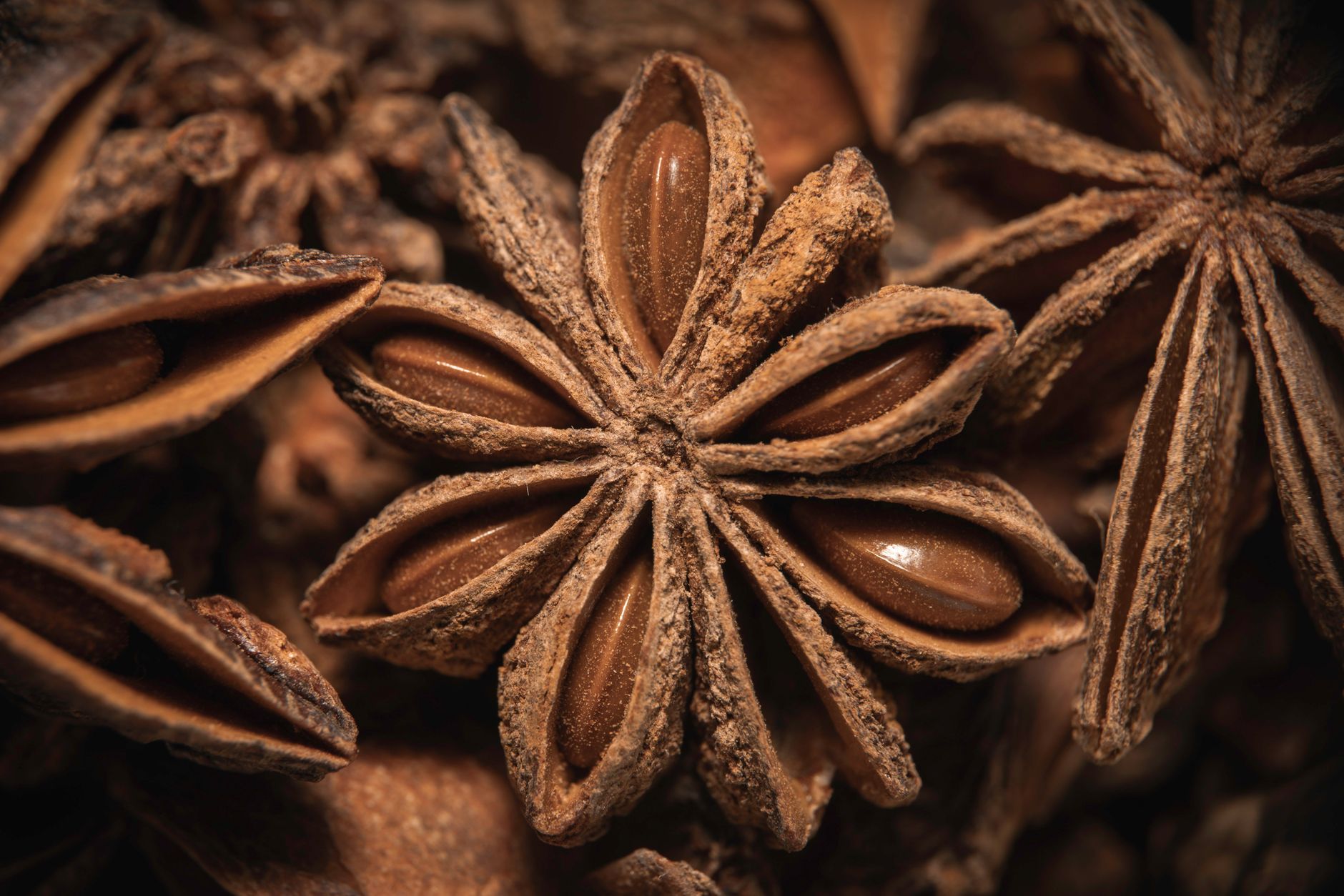
Anise flavor, derived from the seeds of the anise plant (Pimpinella anisum), is a distinctive taste often described as sweet, aromatic, and somewhat reminiscent of licorice. This flavor is popular in various cuisines around the world, used in treats, savory dishes, and beverages alike.
The taste of anise can be polarizing: while some adore its unique profile, others might find it off-putting. Understanding anise and how to incorporate it into your cooking can elevate your dishes and offer a new avenue of flavor to explore.
What Is Anise Flavor?
Anise flavor originates from the seeds of the anise plant, a member of the Apiaceae family, which also includes carrots, parsley, and dill. The taste comes from the compound anethole, which is present in significant amounts in anise oil. This compound is responsible for the sweet, aromatic profile that defines anise and makes it a staple in many culinary traditions.
The anise flavor has notable similarities to other spices such as fennel, star anise, and dill, yet maintains its unique identity. While it can sometimes be confused with licorice, the flavor profile is lighter and often sweeter, with herbal undertones.
How Is Anise Used in Cooking?
When it comes to using anise flavor in cooking, there are various forms available, including whole seeds, ground powder, and essential oil. Each form offers distinct uses and intensity levels, making it essential to understand how to use them effectively.
Forms of Anise Flavor
- Whole Anise Seeds: These can be used in baking, pickling, and in both sweet and savory dishes. The seeds can be ground or left whole depending on the recipe.
- Ground Anise: This is often used in spice blends, baked goods, and sauces. Ground anise can be convenient since it integrates seamlessly into a mixture.
- Anise Oil: Highly concentrated, this oil is typically used sparingly and works well in pastries and candies. A drop can go a long way in flavoring dishes.
Culinary Uses of Anise Flavor
Because of its versatile profile, anise flavor can find its way into a multitude of dishes across different cuisines. Here are some notable culinary uses:
Baking
Anise is a common ingredient in baked goods, particularly in Eastern European and Mediterranean cuisines. Its flavor complements breads, cookies, and cakes, often enhancing the sweetness and adding aromatic depth.
Cooking and Marinades
In savory dishes, anise can enhance meat marinades, providing a unique flavor that pairs excellently with protein. It can also be incorporated into vegetable dishes, adding a subtle sweetness and depth.
Soups and Broths
Anise adds an aromatic quality to soups and broths. It can be used in small quantities in traditional stocks, bringing warmth and balancing other flavors.
Drinks
Utilized in both alcoholic and non-alcoholic beverages, anise is found in drinks across various cultures. Anise-flavored spirits, such as absinthe and ouzo, have long histories, while teas infused with anise seeds offer a calming and fragrant drink option.
Desserts
In desserts, anise can add a delightful twist. It’s often incorporated into spiced pastries, cakes, and even ice creams, complementing other flavors like chocolate and vanilla.
What Does Anise Flavor Pair Well With?
Understanding how to pair anise flavor can elevate your culinary creations. Here are some flavors and ingredients that marry well with anise:
- Citrus: The brightness of orange, lemon, or lime can enhance the sweetness and balance the intensity of anise.
- Chocolate: Dark chocolate’s bitterness is beautifully complemented by the sweet notes of anise, creating a sophisticated dessert.
- Spices: Anise pairs nicely with spices like cinnamon, nutmeg, and cloves, making it ideal for warm, cozy dishes.
- Fennel and Dill: For those who appreciate the flavors of these herbs, they can work together harmoniously with anise, enhancing the herbal note.
- Fruit: Anise can complement stone fruits, apples, or pears, adding a layered aroma to fruit salads and sauces.
How to Cook with Anise Flavor
Cooking with anise flavor can be straightforward, but there are some essential tips and techniques to keep in mind to get the best flavor profile:
Measuring Anise Flavor
When using whole anise seeds, understand that the flavor is milder compared to its ground counterpart. Therefore, the conversion for anise seeds to ground anise typically occurs at a 1:3 ratio (1 part whole seeds to 1/3 part ground anise).
Toasting Anise Seeds
To bring out the maximum flavor, consider lightly toasting whole anise seeds in a dry skillet before use. Toasting fragments the cellular structure of the seeds, thus releasing essential oils and enhancing their aromatic qualities.
Infusing Liquids
For a more concentrated flavor, infuse a few whole anise seeds in liquids such as syrups, creams, or broths. Allow them to steep for 10 to 15 minutes, then strain before using. This technique is particularly effective in creating anise-infused syrups for drinks or desserts.
Common Mistakes and How to Avoid Them
While incorporating anise into your dishes can enhance flavors, there are common pitfalls to be aware of:
Using Too Much
Anise is potent; using too much can overwhelm a dish. Always start with a smaller quantity and increase to taste.
Ignoring Pairings
Not all ingredients pair well with anise. Be cautious when combining it with flavors, especially those that clash or compete heavily.
Skipping the Tasting Process
Tasting as you go is crucial. Adding anise without gauging its impact can lead to an imbalanced dish.
Substitutes for Anise Flavor
If you find yourself out of anise or seek alternatives, there are several options that can mimic its flavor profile:
- Fennel Seeds: Often considered the most direct substitute, fennel has a similar flavor but with a slightly more herbal quality.
- Star Anise: Although a different plant, star anise brings a comparable licorice flavor. Use it whole or ground; just remember that it can be more potent.
- Dill: While it won’t give the same sweetness, dill can add an aromatic touch that some may find pleasant.
- Licorice Root: For those looking to replicate sweetness, licorice root offers a similar flavor. Use in smaller quantities as it can be quite potent.
Food Pairing Ideas with Anise Flavor
Consider the following food pairing ideas to enhance your cooking with anise:
- Anise-Infused Caramel Sauce: Drizzle over desserts like ice cream or cakes.
- Roasted Pork with Anise: Use in a marinade for a fragrant, aromatic flavor.
- Anise Spice Cookie: Combine anise in your baking for uniquely flavored treats.
- Fruit Salad with Anise Syrup: Create a light and refreshing dessert with anise-infused syrup.
Storing Anise Flavor
Storage of anise flavor is essential for maintaining its quality. Here are some tips:
Whole Anise Seeds
Store whole anise seeds in a cool, dark place in an airtight container. When properly stored, they can last up to 3 years, but freshness will deteriorate over time.
Ground Anise
Ground anise has a shorter shelf life. Store it in an airtight container and keep it in the refrigerator to maximize freshness. Use within six months for the best flavor.
Anise Oil
Anise oil should be stored in a cool, dark place, ideally in a glass container. It can last up to a year if properly sealed.
Using Anise Flavor in Seasonal Recipes
Seasonal recipes often benefit from the addition of anise as it can add warmth and comforting flavors. Here are some ideas:
Holiday Baking
Include anise in gingerbread cookies or holiday breads for a festive twist.
Fall Soups
Incorporate anise into butternut squash soup to provide an aromatic profile that enhances the dish’s sweetness.
Winter Warmers
Use anise in chai tea or mulled wine, adding depth to the warm spices and sweetness from the fruit.
Conclusion
Understanding anise and its flavor profile opens up a world of culinary possibilities. Whether you’re baking sweet treats, crafting marinades, or infusing beverages, anise can impart a delightful character that enlivens your dishes. Start experimenting with anise today, and enrich your cooking with this intriguing flavor.
For more culinary inspiration, explore other cooking tips or ingredient guides to further expand your cooking repertoire.