
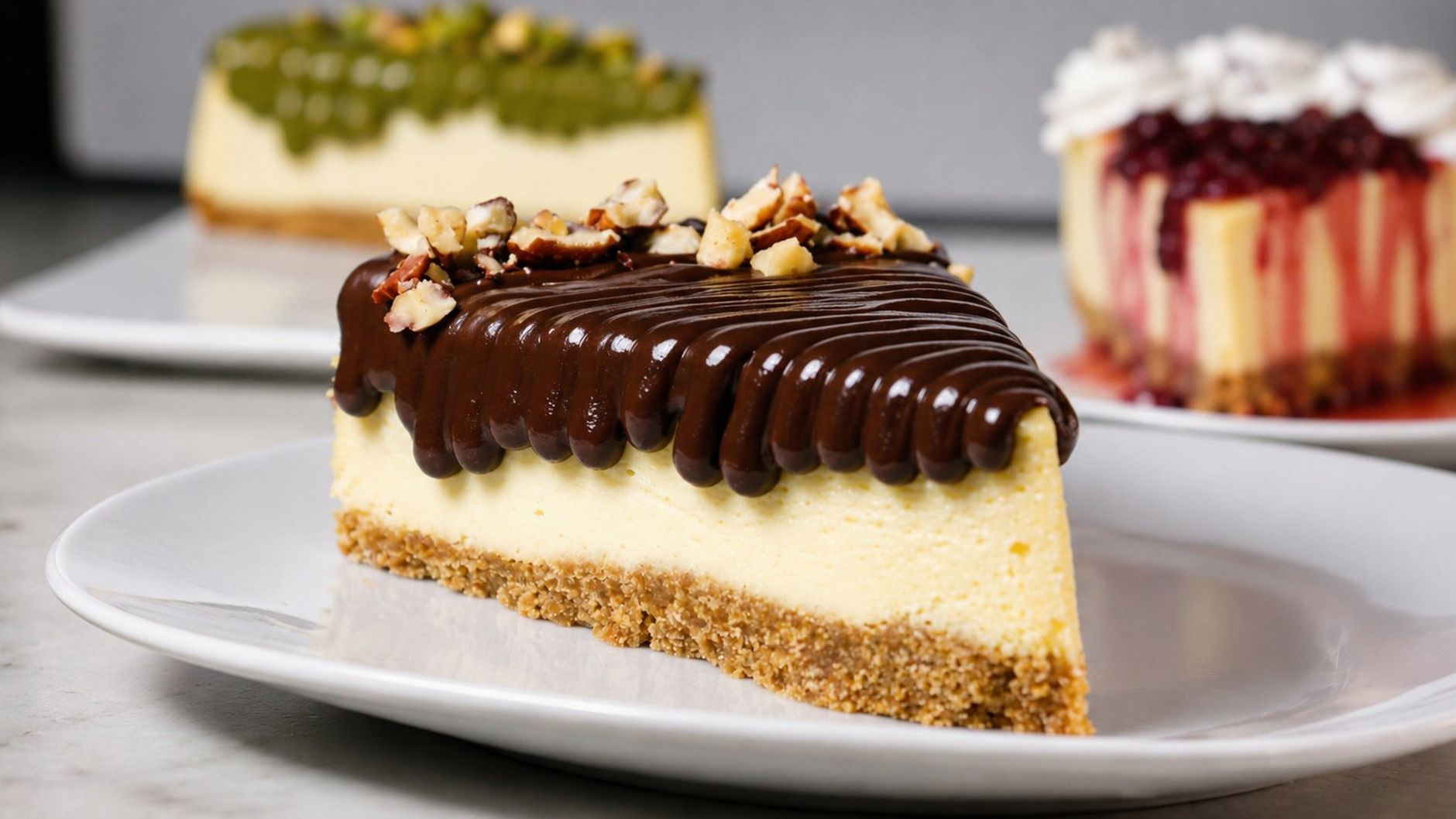
Cheesecake, with its creamy richness and luscious texture, has sparked a longstanding debate: is it a cake or a pie? This question puzzles both pastry enthusiasts and casual dessert lovers alike. In this article, we will explore the characteristics that define cakes and pies, dive into the origins of cheesecake, and provide practical information about baking and serving this beloved dessert.
Understanding whether cheesecake is a cake or pie can enhance your appreciation for its unique qualities. We will not only tackle the culinary classification of cheesecake but also share tips for making it, highlight variations, and suggest serving ideas. Whether you are new to cheesecake or a seasoned baker, there’s something useful for you here.
Is Cheesecake a Cake or a Pie?
Cheesecake is more akin to a pie than a cake primarily because of its structure and ingredient composition. It typically consists of a crust and a filling, similar to most pies. The crust is usually made from crushed cookies or graham crackers, while the filling features cream cheese, eggs, and sugar, often flavored with vanilla or fruit. Therefore, while it gets some similarity points with cakes in terms of preparation and baking techniques, cheesecake is best categorized as a pie.
The Origins of Cheesecake
Tracing the origins of cheesecake reveals a fascinating culinary history that dates back to ancient Greece. Early versions were made with simple ingredients like cheese, honey, and wheat, indicating that this dessert is deeply rooted in various cultures. The Romans later adopted the Greek recipe and introduced it to Europe, where different regions developed their unique interpretations of cheesecake. Among countless variations, the New York-style cheesecake stands out for its rich and dense texture, becoming a staple in American cuisine.
Understanding the Differences Between Cakes and Pies
To appreciate cheesecake fully, it’s helpful to understand what differentiates cakes from pies. Below are the main characteristics of each:
Cake Characteristics
- Structure: Cakes are typically light and airy, achieved by using flour, sugar, and leavening agents like baking powder or baking soda.
- Layers: Cakes may have multiple layers, often filled or frosted with icing or ganache.
- Serving Style: Cakes are usually cut into squares or wedges and served on their own or with frosting.
Pie Characteristics
- Crust: Pies have a bottom crust and sometimes a top crust, made from pastry dough.
- Filling: The filling can be savory or sweet and includes various ingredients such as fruits, custards, or meats.
- Serving Style: Pies are served from a dish, often allowing the juices from the filling to create a luscious bite.
Components of Cheesecake
To further dissect cheesecake, let’s break down its components and how they contribute to its defining characteristics.
The Crust
The crust of a cheesecake contributes not just to its structure but also to its flavor. Here are some common types of crust:
- Graham Cracker Crust: This is the most traditional type, made by combining crushed graham crackers with melted butter and sugar.
- Cookie Crust: Variations like oreo or gingersnap crusts add different flavors and textures.
- Nut Crust: For a gluten-free option, crushed nuts mixed with butter can make deliciously crunchy crusts.
The Filling
The filling is the star of cheesecake, and its texture can range from light and fluffy to rich and dense. Here are the primary ingredients:
- Cream Cheese: This is the main ingredient that gives cheesecake its unique taste and texture.
- Eggs: Eggs provide structure and stability to the filling.
- Sugar: Sugar balances the tartness of cream cheese and enhances the overall sweetness.
- Flavorings: Vanilla extract, lemon juice, and fruit purees can add bright flavors to the filling.
Baking Techniques for Cheesecake
Baking a successful cheesecake involves understanding several key techniques to ensure it turns out perfectly.
Prepping the Pan
To prevent sticking, it’s common to grease the pan or line it with parchment paper. For a water bath (bain-marie), wrap the outside of the springform pan in aluminum foil to create a waterproof barrier.
The Water Bath Method
This method helps maintain a consistent temperature, providing moisture and preventing cracks on the surface of the cheesecake:
- Wrap the bottom of the springform pan tightly with aluminum foil.
- Place the pan in a larger baking dish and fill the dish with hot water until it’s halfway up the sides of the springform pan.
- Bake as directed, adding water as needed.
Mixing the Filling
To achieve a smooth and creamy filling, follow these steps:
- Soften the cream cheese at room temperature before mixing to minimize lumps.
- Beat the cream cheese until smooth before gradually adding the sugar, then incorporate the eggs one at a time.
- Mix on low speed to prevent incorporating too much air, which can cause cracking.
Baking and Cooling
Patience is key when baking cheesecake:
- Bake at a low temperature (around 325°F or 160°C) for an extended time to ensure even cooking.
- Turn off the oven and leave the cheesecake inside for an hour to set without sudden temperature changes.
- Allow the cheesecake to chill in the refrigerator for at least 4 hours (or overnight) for optimal flavor and texture.
Common Cheesecake Mistakes and Troubleshooting
Even the most experienced bakers encounter challenges with cheesecake. Here are some common mistakes and tips on how to avoid them:
- Cracking: This often occurs due to temperature changes. Use the water bath method and avoid over-mixing.
- Too Dense: If the cheesecake is too dense, it may need more eggs or cream cheese. Ensure proper mixing to avoid lumps.
- Sticking to the Pan: Always grease the pan adequately and use parchment paper for easy removal.
Variations of Cheesecake
Cheesecake is incredibly versatile, allowing for a multitude of flavor variations. Here are some popular types:
New York-style Cheesecake
This style is rich, dense, and creamy, made with a higher proportion of cream cheese and typically less egg than other variations. It’s often simply flavored with vanilla.
Fruit Topped Cheesecake
Cheesecakes can be topped or swirled with fresh fruits like strawberries, raspberries, or peaches, adding a refreshing lightness.
Chocolate Cheesecake
Incorporating melted chocolate into the filling creates a luxurious chocolate cheesecake, perfect for chocolate lovers.
No-Bake Cheesecake
This variation uses whipped cream or whipped topping mixed with cream cheese, resulting in a lighter and fluffier dessert that doesn’t require heating.
Serving Suggestions
Cheesecake can be served in various ways to enhance your dessert experience. Here are some ideas:
- Plain: Sometimes, simplicity is key; serve it plain to enjoy the rich flavor of the cheesecake itself.
- With Fresh Fruit: Fresh berries or fruit compotes add acidity to balance the sweetness.
- Chocolate Drizzle: A warm chocolate sauce drizzled on top can elevate the dessert.
- Whipped Cream: A dollop of freshly whipped cream adds an airy touch.
- Nuts: Chopped nuts, such as almonds or pecans, can add a satisfying crunch.
Make-Ahead Cheesecake Tips
Cheesecake is an excellent make-ahead dessert, but proper storage is essential:
- Chill: Always allow the cheesecake to cool completely before refrigerating.
- Wrap Well: Wrap the cheesecake in plastic wrap or store in an airtight container to prevent it from drying out.
- Freezing: If you plan to freeze it, do so before adding toppings, and wrap tightly for up to three months.
Storage and Reheating of Cheesecake
When storing cheesecake, keep these guidelines in mind:
- Refrigerator: Cheesecake typically lasts up to one week in the fridge if properly stored.
- Freezer: For longer storage, cheesecakes can be frozen for 2-3 months. Thaw in the refrigerator overnight before serving.
- Reheating: Generally, cheesecakes are served cold or at room temperature; reheating is not recommended as it may alter the texture.
In summary, cheesecake can be classified more as a pie than a cake due to its crust and filling structure. Its diverse origins and various flavor profiles make it an irresistible dessert suitable for any occasion. Understanding its components, preparation techniques, and storage methods can enhance your culinary skills and palate.
If you’re inspired to try your hand at making cheesecake, consider browsing through some delightful recipes like our classic cheesecake recipe or a refreshing cherry cheesecake recipe to start your journey. Your taste buds will thank you!