
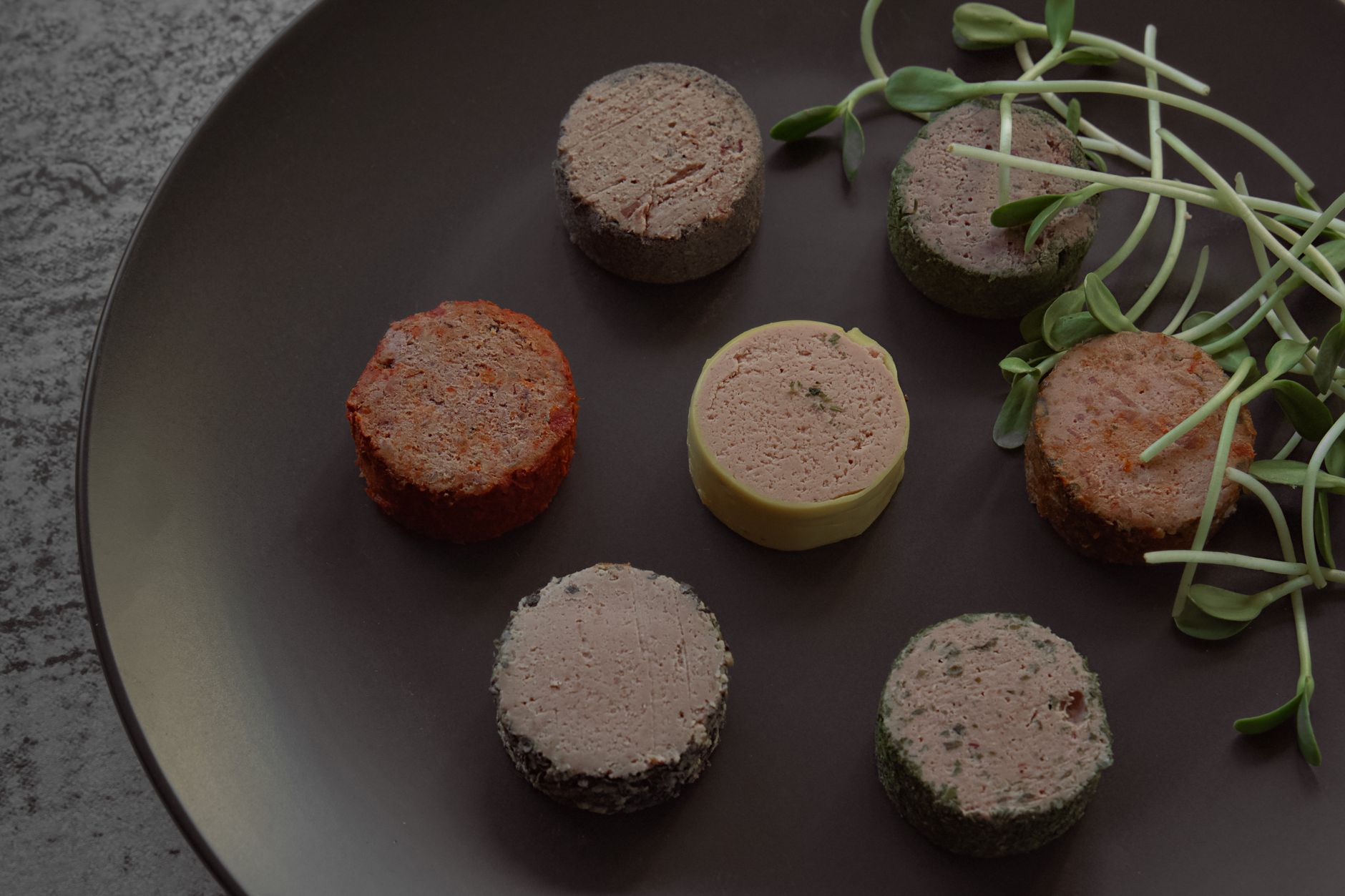
Chicken liver is a nutrient-dense food that has garnered interest for its numerous health benefits and versatile culinary uses. Rich in vitamins and minerals, it’s often touted as a superfood, but many may still wonder if incorporating chicken liver into their diet is a wise choice.
This article will explore the nutritional profile of chicken liver, health considerations, cooking techniques, and practical tips for adding this ingredient to your meals.
Is Chicken Liver Healthy?
Yes, chicken liver is healthy when consumed in moderation. It is packed with essential vitamins, minerals, and protein, making it a nutritious addition to a balanced diet. However, considerations such as cholesterol content and preparation methods should be taken into account to maximize its health benefits.
Nutritional Profile of Chicken Liver
Understanding the nutritional value of chicken liver can help you appreciate its benefits. A 100-gram serving of cooked chicken liver typically contains:
- Calories: 165
- Protein: 25 grams
- Fat: 6 grams
- Carbohydrates: 0 grams
- Vitamin A: 713% of the Daily Value (DV)
- Vitamin B12: 370% of the DV
- Iron: 25% of the DV
- Folate: 65% of the DV
- Zinc: 25% of the DV
High in protein and low in carbohydrates, this organ meat is also a rich source of several vital nutrients. Vitamin A supports eye health, while vitamin B12 plays a crucial role in energy production and neurological functioning. The iron content is especially beneficial for individuals with higher iron needs, such as pregnant women and those experiencing anemia.
Health Considerations
While chicken liver is nutrient-rich, there are several health considerations to keep in mind:
Cholesterol Content
One significant factor to consider is chicken liver’s high cholesterol content. A single serving of chicken liver can contain around 400-500 mg of cholesterol. For context, the American Heart Association recommends limiting dietary cholesterol to 300 mg per day for the general population. If you have existing health concerns related to cholesterol, such as heart disease, it’s essential to consult with a healthcare provider about including chicken liver in your diet.
Vitamin A Toxicity
Consuming excessive amounts of vitamin A can lead to toxicity, especially from animal sources like chicken liver. Although vitamin A is essential for health, moderation is key. Regular consumption of chicken liver should be balanced with other foods to prevent reaching toxic levels.
Preparation and Cooking Methods
How chicken liver is prepared can also impact its healthfulness. Fried or heavily seasoned chicken liver dishes may introduce additional fats and calories that can diminish the health benefits. Opting for healthier cooking techniques such as sautéing, baking, or grilling can help preserve its nutritional integrity.
Cooking with Chicken Liver
Chicken liver can be incorporated into a variety of dishes, and its rich, slightly metallic flavor is complemented by bold seasonings. Here are some common cooking techniques for preparing chicken liver:
1. Sautéing
Sautéing is one of the simplest and most effective ways to cook chicken liver. This method retains moisture while allowing for a rich flavor to develop.
To sauté chicken liver:
- Heat a skillet over medium heat and add a tablespoon of oil or butter.
- Add cleaned chicken livers and cook for about 5-7 minutes, stirring occasionally, until no longer pink in the center.
- Season with salt, pepper, and herbs such as thyme or rosemary.
2. Grilling
Grilling chicken liver can impart a smoky flavor, making it an excellent choice for skewers or as part of a mixed grill platter.
To grill chicken liver:
- Marinate cleaned livers in a mixture of olive oil, garlic, and lemon juice for at least an hour.
- Preheat the grill to medium-high heat.
- Thread the livers onto skewers and grill for about 4-5 minutes on each side, until cooked through.
3. Baking
Baking chicken livers can create a tender texture, especially when combined with other ingredients.
To bake chicken liver:
- Preheat the oven to 375°F (190°C).
- Place cleaned livers in a baking dish with onions, herbs, and broth.
- Bake for 20-25 minutes, stirring halfway through, until fully cooked.
Recipes with Chicken Liver
Now that you understand how to prepare chicken liver, here are a couple of recipe ideas to incorporate this ingredient into your meals.
Chicken Liver Pâté
Chicken liver pâté is a delicious spread perfect for appetizers. It’s creamy, versatile, and can be served with crackers or bread.
Ingredients
- 500 grams chicken liver, cleaned
- 1 medium onion, chopped
- 2 cloves garlic, minced
- 1/2 cup unsalted butter
- 1/4 cup heavy cream
- Salt and pepper to taste
- Fresh herbs, such as thyme or parsley, for garnish
Instructions
- In a skillet, melt 1/4 cup of butter over medium heat. Add chopped onion and garlic, cooking until softened.
- Add the cleaned chicken livers to the skillet and cook for 5-7 minutes until no longer pink.
- Transfer the mixture to a food processor. Add remaining butter, heavy cream, salt, and pepper. Blend until smooth.
- Transfer to a serving dish and garnish with fresh herbs. Chill before serving.
Chicken Liver and Mushroom Risotto
This hearty dish combines the earthy flavors of mushrooms with the richness of chicken liver for a comforting meal.
Ingredients
- 1 cup arborio rice
- 1 medium onion, chopped
- 2 cloves garlic, minced
- 200 grams chicken liver, cleaned and chopped
- 200 grams mushrooms, sliced
- 4 cups chicken broth
- 1/2 cup white wine (optional)
- 1/2 cup grated Parmesan cheese
- Salt and pepper to taste
- Fresh parsley, for garnish
Instructions
- In a saucepan, heat chicken broth and keep warm.
- In a large skillet, heat olive oil over medium heat. Sauté onion and garlic until translucent.
- Add arborio rice, stirring until the rice is well-coated.
- Pour in the white wine and cook until absorbed. Gradually add warm chicken broth, one ladle at a time, stirring frequently.
- In another skillet, sauté mushrooms and chicken liver until fully cooked. Mix into the risotto.
- Stir in Parmesan cheese, season with salt and pepper, and serve with fresh parsley.
Practical Tips for Cooking with Chicken Liver
Keep these practical tips in mind when cooking with chicken liver:
- Freshness Matters: Always choose fresh chicken livers, as they can spoil quickly. Look for liver that is firm and has a rich color.
- Clean Thoroughly: Make sure to clean chicken livers properly by removing any connective tissue or membranes before cooking.
- Moderation is Key: Due to their high cholesterol and vitamin A content, it’s best to consume chicken liver in moderation. Incorporate it into your diet a few times a month rather than daily.
- Pair Wisely: Complement the flavor of chicken liver with herbs, onions, and citrus. These can help offset the intensity of the liver’s taste.
Storage and Reheating
Proper storage of chicken liver and dishes made with it is essential to prevent foodborne illness:
- Raw chicken liver should be stored in the refrigerator and used within one to two days of purchase. For longer storage, it can be frozen for up to three months.
- Cooked chicken liver dishes should be refrigerated and consumed within three to four days. When reheating, ensure they reach an internal temperature of 165°F (74°C).
Conclusion
Chicken liver is a nutritious food that can be a healthy addition to your diet when enjoyed in moderation. Its rich flavor, combined with beneficial nutrients, makes it an exciting ingredient to explore in various dishes. By understanding how to prepare, cook, and store chicken liver, you can take advantage of its health benefits while enjoying delightful meals.
Explore more on this topic by checking out Is Chicken Liver Good for You? for additional insights and recipes!