
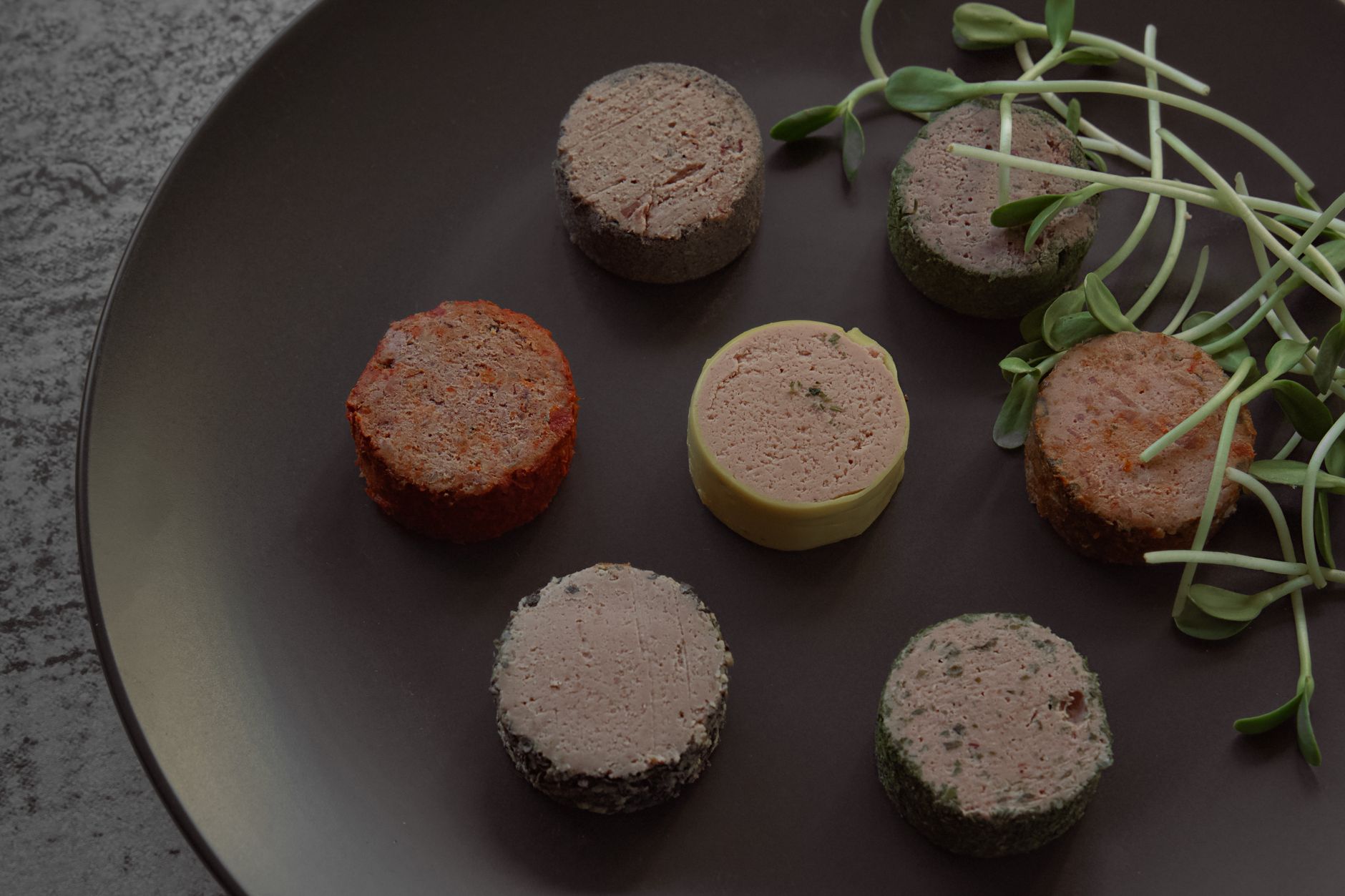
Chicken liver is often overlooked in many diets, yet it offers a stellar combination of health benefits, culinary versatility, and affordability. With a rich flavor and a variety of cooking possibilities, incorporating chicken liver into your meals can not only elevate your dishes but also add significant nutritional value.
This article delves into the nutritional profile of chicken liver, how it can contribute to your overall health, and tips for including it in your cooking. Whether you’re a seasoned chef or a beginner in the kitchen, this guide will make you reconsider the merits of this nutrient-dense ingredient.
Is Chicken Liver Good For You?
Yes, chicken liver is good for you. It is an excellent source of essential nutrients, including proteins, vitamins, and minerals. With its high iron content, omega-3 fatty acids, and various B vitamins, chicken liver can enhance your health when consumed as part of a balanced diet.
Nutritional Benefits of Chicken Liver
Understanding the health benefits of chicken liver starts with recognizing its impressive nutritional profile. Below are key nutrients found in chicken liver:
- Protein: Chicken liver is rich in protein, providing about 25 grams per 100 grams. This makes it an excellent option for muscle repair and growth.
- Iron: It is one of the best food sources of heme iron, which is easily absorbed by the body. Just 100 grams of chicken liver can provide over 60% of the daily recommended iron intake.
- B Vitamins: Chicken liver is packed with B vitamins, especially B12, which is crucial for brain health and the formation of red blood cells.
- Vitamin A: High in vitamin A, it supports vision, immune function, and skin health. A serving of chicken liver can provide multiple times the recommended daily intake.
- Folate: Folate is essential for DNA synthesis and repair. Chicken liver is a rich source, thus supporting cellular function.
- Omega-3 Fatty Acids: While not as high as fatty fish, chicken liver contains omega-3s that are beneficial for heart and brain health.
Potential Health Benefits
Beyond its nutritional content, several potential health benefits make chicken liver a worthwhile addition to your diet:
1. Supports Blood Health
Due to its high iron and B12 content, chicken liver can help prevent anemia and improve overall blood health. Regular consumption can boost your energy levels and combat fatigue.
2. Promotes Immune Function
The abundance of vitamins A and C, along with its various B vitamins, can enhance immune function, making it easier for your body to fight off infections.
3. Aids in Brain Health
The nutrients in chicken liver, particularly B vitamins like B12 and folate, are crucial for maintaining brain health and preventing cognitive decline.
4. Supports Skin Health
Vitamin A promotes a healthy complexion and can help with skin conditions. Incorporating chicken liver could contribute to clearer skin and improved skin health over time.
5. May Improve Mood
With its rich nutrient content, chicken liver may support mental health. Nutritional psychiatry suggests that vitamins and minerals can play a vital role in mood regulation.
How to Choose and Prepare Chicken Liver
When selecting chicken liver, opt for fresh, high-quality products to maximize flavor and nutrients. Here are some guidelines:
- Freshness: Look for livers that are moist and have a bright red color. Avoid those that appear brown or dry.
- Storage: Keep chicken liver refrigerated and use it within a few days of purchase. If not used immediately, it can be frozen for up to three months.
- Preparation: Rinse the liver under cold water and trim away any connective tissue, fat, or discolored areas before cooking. Soaking it in milk for a couple of hours can help remove any off-flavors.
Culinary Uses of Chicken Liver
Chicken liver can be prepared in various ways, allowing it to shine in numerous dishes. Here are some popular methods:
1. Sautéing
Sautéing chicken liver is one of the quickest methods. Cook them in a hot pan with a bit of oil or butter for 4 to 5 minutes, becoming tender and cooked through. Pair with onions, garlic, or herbs for extra flavor.
2. Making Pâté
Chicken liver pâté is a classic way to enjoy this ingredient. Combining cooked livers with butter, cream, and spices creates a rich spread perfect for bread or crackers.
3. Curries and Stews
Adding chicken liver to curries or stews allows for depth and richness in the dish. They can absorb the flavors of the spices while maintaining their own unique taste.
4. Grilling
Mariate chicken liver with spices and grill them on skewers for a unique appetizer or main dish. The grilling process imparts a smoky flavor while keeping the liver tender.
5. Stir-frying
Stir-frying chicken liver with vegetables and sauces provides a quick and nutritious meal. Pair with soy sauce, ginger, and garlic for a flavorful Asian-inspired dish.
Practical Recipe: Chicken Liver Pâté
This recipe creates a deliciously rich chicken liver pâté that’s perfect for spreading on toast or as a part of a charcuterie board.
Servings:
6-8 servings
Preparation time:
15 minutes
Cooking time:
15 minutes
Total time:
30 minutes
Ingredients:
- 500 grams chicken livers, trimmed and rinsed
- 1 medium onion, finely chopped
- 2 cloves garlic, minced
- 100 grams unsalted butter, divided
- 100 ml heavy cream
- Salt and black pepper, to taste
- Fresh thyme, optional
Equipment Needed:
- Frying pan
- Blender or food processor
- Mixing bowl
- Spatula
Instructions:
- In a frying pan over medium heat, melt 50 grams of butter. Add the chopped onion and sauté until soft and translucent, about 5 minutes.
- Add the minced garlic and sauté for an additional minute until fragrant.
- Increase the heat to medium-high and add the chicken livers. Cook for about 4 to 5 minutes, until browned on the outside but still slightly pink inside. Season with salt and pepper.
- Remove from heat and let the mixture cool slightly. Transfer the liver mixture to a blender or food processor.
- Add the remaining butter and heavy cream to the blender. Blend until smooth and creamy, adjusting seasoning as needed.
- Transfer the mixture to a mixing bowl and fold in fresh thyme, if using. Spread in a serving dish and chill in the refrigerator for at least 1 hour before serving.
Substitutions and Variations
If you’re seeking alternatives or wish to modify this pate, consider the following:
- Butter Substitution: For a dairy-free option, use olive oil in place of butter. Note that this will change the flavor and texture slightly.
- Herb Variations: Experiment with different herbs, such as rosemary or chives, to infuse unique flavors into the pâté.
- Additional Spices: Consider adding spices like smoked paprika or a splash of brandy to enhance the depth of flavor.
Common Mistakes and Troubleshooting
While making chicken liver dishes, some common mistakes can occur. Here’s how to avoid them:
- Overcooking: Chicken livers can become tough when overcooked. Aim for a slightly pink center for tenderness.
- Insufficient seasoning: Due to the richness of chicken liver, don’t skimp on seasoning. Season generously at every step.
- Texture issues: If the pâté is too grainy, ensure all ingredients are blended well. Add more cream if needed to achieve a smoother consistency.
Storage and Reheating
Proper storage is key to maintaining the quality of chicken liver dishes:
- Refrigeration: Store chicken liver pâté in an airtight container in the refrigerator for up to 3 days.
- Freezing: You can freeze the pâté for up to 2 months. Thaw in the refrigerator overnight before use.
Conclusion
Chicken liver is an underrated delicacy that packs a nutritional punch. With its high protein content, rich iron levels, and B vitamins, it stands out as a valuable addition to meals. Whether you prepare it as sautéed livers, a rich pâté, or include it in stews, taking advantage of this ingredient can be both delicious and healthy.
Consider trying your hand at chicken liver dishes and experience their unique flavors and nutritional benefits. For those looking to enhance their culinary skills, check out our chicken stock recipe for a wholesome base or our chicken brine recipe to deepen meat flavors.