
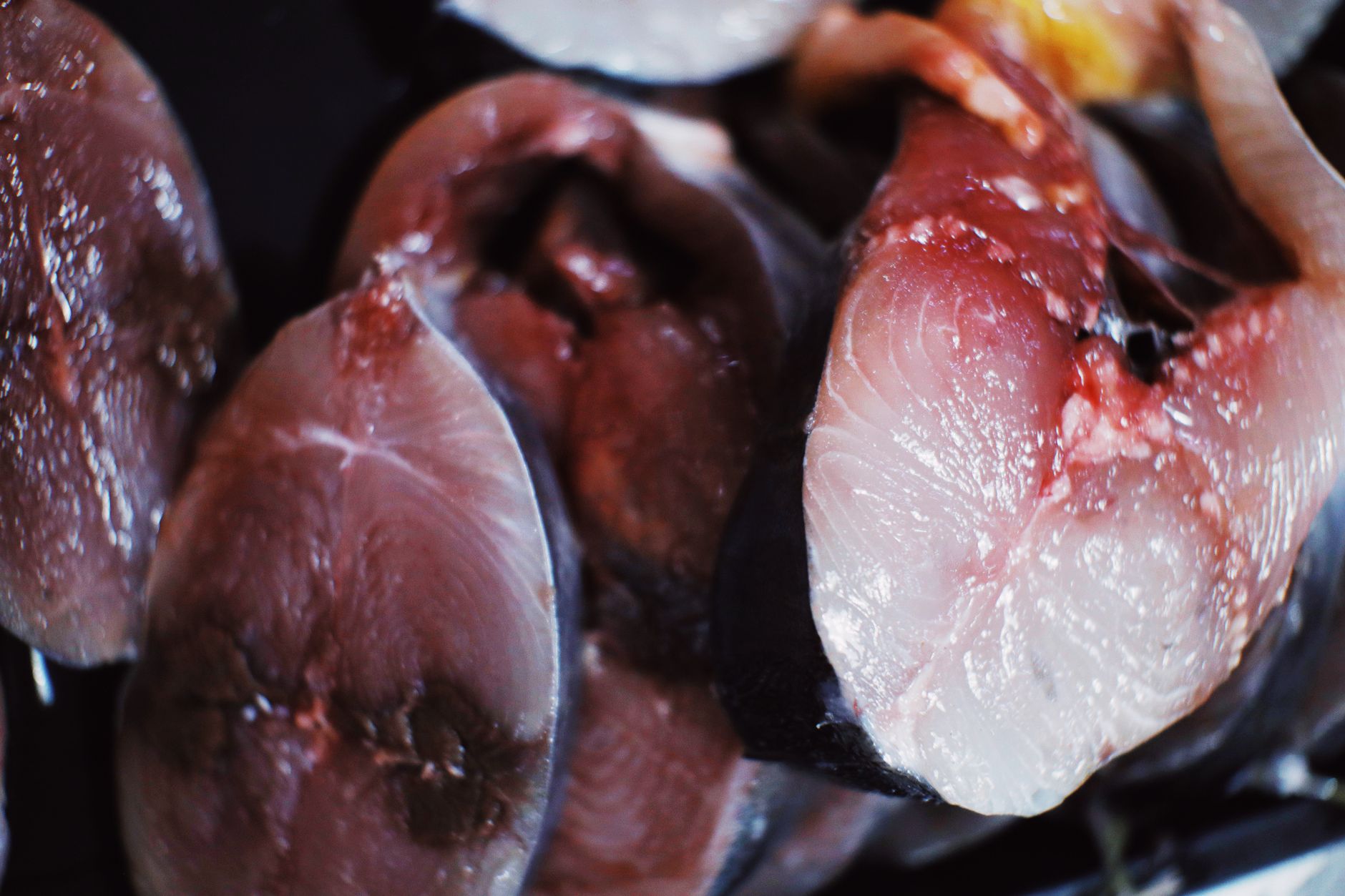
When it comes to categorizing various types of fish, a common question arises: Is catfish considered seafood? This query touches not only on the classification of the animal but also on culinary practices and regional cuisine.
Catfish, found in both freshwater and saltwater environments, belongs to the family of fish known as Siluriformes. While often thought of as a staple in Southern American cuisine, catfish’s classification as seafood can be confusing. This article aims to clarify this classification and delve into its culinary uses, so you can confidently incorporate catfish into your seafood repertoire.
Is Catfish Considered Seafood?
Yes, catfish is considered seafood. Seafood typically encompasses all types of fish and shellfish, which includes both freshwater and saltwater varieties. Since catfish are primarily found in freshwater environments, they are often categorized distinctly, but they still fall under the broader seafood classification.
The Basics of Seafood Classification
Seafood is a broad term encompassing all aquatic life that humans consume, and its classification can be divided into two primary categories: fish and shellfish. Here’s a closer look at these categories:
- Fish: Fish are aquatic animals with gills that live in water and typically have a streamlined body. They can be further divided into saltwater and freshwater varieties.
- Shellfish: This category includes mollusks (like clams and oysters) and crustaceans (like shrimp and crabs) and is predominantly found in saltwater, although some live in freshwater.
Catfish, specifically, belongs to the category of fish and typically occupy freshwater ecosystems. However, their status as seafood includes them in culinary dishes alongside other marine fish, making them a popular choice in various recipes.
Types of Catfish
Understanding the different types of catfish can enhance your culinary experience, particularly when you are shopping for or cooking this fish. Here are some of the most common types:
- Channel Catfish: The most popular catfish species in North America, known for its mild flavor and firm texture.
- Flathead Catfish: This type is distinguished by its flat head and is often sought after in fishing tournaments. It has a stronger flavor than channel catfish.
- Blue Catfish: Known for its large size and distinctive blue coloration, blue catfish have a slightly sweet and firm flesh.
- Spotted Catfish: Often found in rivers and lakes, spotted catfish have a mild flavor and tenderness when cooked.
Culinary Uses for Catfish
Catfish is a versatile ingredient that can be prepared in various ways. Its mild flavor allows it to complement numerous spices and cooking techniques. Here are some popular culinary methods for preparing catfish:
Fried Catfish
Fried catfish is a staple of Southern cuisine. The fish is typically coated in seasoned cornmeal or flour and fried until golden brown, creating a crispy texture that contrasts beautifully with the flaky fish inside.
Grilled Catfish
Grilling catfish is a healthier option that enhances its flavor without the need for added fats. Marinate the fish in herbs and spices, then grill until fish is opaque and flakes easily with a fork.
Blackened Catfish
This preparation method, which involves cooking catfish coated in a blend of spices in a hot cast-iron skillet, creates a rich, smoky flavor. The spices form a crust that seals in moisture.
Catfish Stew
Catfish can also be used in soups and stews, allowing the flavors to mingle with broth and vegetables. Catfish stew is often seasoned with spices to enhance its flavors.
Preparing Catfish: Essential Tips
Before cooking catfish, there are several important factors to consider to ensure a delicious meal:
- Freshness: Purchase fresh catfish from a reliable source. Check for clear, bright eyes, firm flesh, and a clean smell.
- Cleaning: If you buy whole catfish, be sure to clean them thoroughly before cooking, removing any scales and entrails.
- Thawing: If using frozen catfish, thaw it in the refrigerator overnight or place it in a sealed plastic bag and submerge it in cold water for quicker results.
Flavor Profiles and Pairing Ideas
The flavor of catfish is typically mild, making it a loved choice for many palates. When cooking, consider these flavor profiles to enhance your dishes:
Spices and Seasonings
Common spices that pair well with catfish include:
- Creole Seasoning
- Old Bay Seasoning
- Lemon Pepper
- Cayenne Pepper for Heat
Sauces and Sides
Complement catfish by serving with:
- Tartar Sauce for a tangy contrast
- Remoulade for added flavor
- Coleslaw or Potato Salad as a refreshing side
- Grilled Vegetables to balance the meal
Catfish Recipes to Try
To inspire you to incorporate catfish into your meal plans, here are a few favorite recipes:
Fried Catfish
Yield: 4 servings
Preparation Time: 15 minutes
Cooking Time: 10 minutes
Total Time: 25 minutes
Ingredients:
- 4 catfish fillets
- 1 cup cornmeal
- 1 teaspoon salt
- 1 teaspoon black pepper
- 1/2 teaspoon cayenne pepper (optional)
- Oil for frying
Essential Equipment:
- Cast iron skillet or frying pan
- Plate or shallow dish
- Tongs
- Heat oil in a skillet over medium-high heat.
- In a shallow dish, mix cornmeal, salt, pepper, and cayenne pepper.
- Dredge each fillet in the cornmeal mixture, ensuring even coating.
- Fry the fillets for 4-5 minutes on each side, or until golden brown and cooked through.
- Remove and drain on paper towels before serving.
Grilled Catfish with Lemon and Herbs
Yield: 4 servings
Preparation Time: 10 minutes
Cooking Time: 10 minutes
Total Time: 20 minutes
Ingredients:
- 4 catfish fillets
- 2 tablespoons olive oil
- 2 tablespoons lemon juice
- 2 teaspoons dried herbs (such as thyme or parsley)
- Salt and black pepper to taste
Essential Equipment:
- Grill or grill pan
- Marinade brush
- In a bowl, mix olive oil, lemon juice, herbs, salt, and pepper.
- Marinate catfish fillets for 15 minutes in the mixture.
- Preheat your grill to medium-high heat.
- Grill the fillets about 4-5 minutes on each side, or until they flake easily with a fork.
- Serve immediately with fresh herbs for garnish.
Common Mistakes to Avoid
When preparing catfish, avoid these common pitfalls to enhance your cooking experience:
- Overcooking: Catfish can become tough and dry if overcooked. Monitor its doneness closely, aiming for a moist and flaky texture.
- Insufficient seasoning: Since catfish has a mild flavor, be generous with spices and marinades to enhance its taste.
- Not properly thawing: Thaw catfish thoroughly before cooking to ensure even cooking and prevent a mushy texture.
Storage and Reheating Guidelines
Proper storage of catfish can prolong its freshness:
- Refrigeration: Store cooked catfish in an airtight container in the refrigerator for up to 2 days.
- Freezing: If you have leftovers, you can freeze cooked catfish for up to 3 months. Wrap it in plastic wrap and then foil to prevent freezer burn.
- Reheating: Reheat in an oven at 350°F (175°C) for about 10-15 minutes or until heated through, ensuring it maintains its moisture.
Conclusion
Catfish is undoubtedly classified as seafood, and its culinary versatility makes it a popular choice in many cuisines. Whether you fry, grill, or stew this fish, understanding its classification and preparation methods will help you enjoy this delicious ingredient to the fullest.
Explore related recipes or cooking tips to enhance your culinary skills by checking out our guides on shrimp curry recipes and seafood boil sauce recipes.