
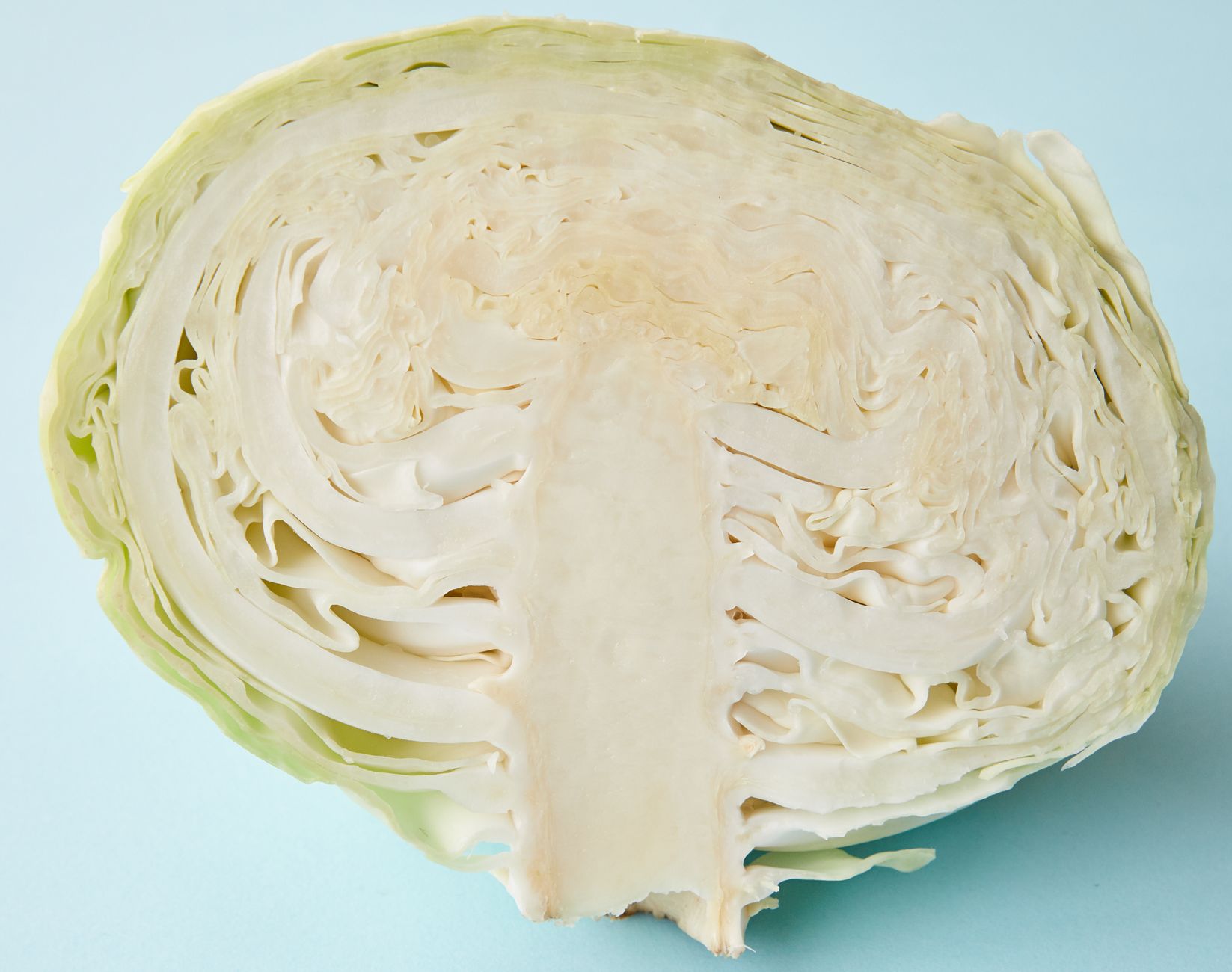
Cabbage is a versatile vegetable that is often included in various dishes around the world. For those following a low-carb lifestyle, understanding the carbohydrate content in cabbage can be essential. This article will delve into the nutritional profile of cabbage, serving sizes, and how it can fit into a low-carb diet.
Given its low calorie count and high fiber content, cabbage can be an excellent option for anyone looking to reduce their carbohydrate intake without sacrificing flavor or nutrition. Let’s explore the specifics of cabbage, including its low-carb benefits, how to properly prepare it, and delicious ways to incorporate it into your meals.
Is Cabbage Low Carb?
Yes, cabbage is considered low carb. A 100-gram serving of raw cabbage contains about 5.4 grams of carbohydrates, of which 2.1 grams are dietary fiber. This results in a net carb count of approximately 3.3 grams per 100 grams of cabbage. This makes it a suitable vegetable for low-carb and ketogenic diets.
Understanding Cabbage’s Nutritional Profile
Cabbage is not only low in carbs but also offers a range of other nutrients beneficial to health. Below is a brief overview of the key nutritional components found in 100 grams of raw cabbage:
- Calories: 25
- Protein: 1.28 grams
- Fat: 0.1 grams
- Carbohydrates: 5.4 grams
- Dietary Fiber: 2.1 grams
- Vitamin C: 48.2% of the Daily Value (DV)
- Vitamin K: 85% of the DV
- Folate: 24% of the DV
These nutrients play a critical role in supporting immune function, bone health, and healthy cell division. The presence of antioxidants in cabbage can also help combat inflammation in the body.
Types of Cabbage
Cabbage comes in several varieties, each with unique flavors and textures. Here are the most common types:
- Green Cabbage: The most common type, often used in salads and coleslaw.
- Red Cabbage: Slightly more robust in flavor, often used for pickling and salads.
- Savoy Cabbage: Known for its crinkled leaves, it has a milder flavor and tender texture.
- Napa Cabbage: Common in Asian cuisine, it has a sweet flavor ideal for stir-fries and soups.
Each type of cabbage can be used interchangeably in recipes, but keep in mind that they can differ slightly in taste and cooking times.
Serving Sizes and Preparation Tips
When it comes to incorporating cabbage into your meals, it’s essential to consider appropriate serving sizes. A typical serving of raw cabbage is about 100-150 grams, while cooked cabbage can be served in slightly larger amounts since cooking reduces volume.
Here are some preparation tips to keep it fresh and flavorful:
- Storage: Store whole cabbage heads in a cool, dark place, such as a refrigerator. They can last up to two weeks when properly stored.
- Preparation: Remove the outer leaves and rinse the cabbage under cold water. Depending on your recipe, you can slice, chop, or shred the cabbage.
- Cooking: Cabbage can be eaten raw in salads or coleslaw, lightly steamed, sautéed, or braised to soften its texture and bring out its natural sweetness.
Creative Ways to Use Cabbage
Cabbage’s low carb content and versatility make it an excellent choice for various dishes. Here are some creative ways to include cabbage in your meals:
1. Cabbage Salads
Cabbage salads are refreshing and can be highly customizable. Use green or red cabbage as a base and add your choice of vegetables, proteins, and tangy dressings for a nutritious meal. Consider adding:
- Carrots
- Bell peppers
- Avocado
- Grilled chicken or tofu
2. Stir-Fries
Adding cabbage to stir-fries elevates the dish with crunch and nutrition. Pair it with proteins like pork, chicken, or shrimp and your favorite sauces. This dish cooks quickly, making it ideal for a weeknight dinner.
3. Cabbage Wraps
Use cabbage leaves as a low-carb substitute for tortillas. Fill them with lean meats, vegetables, and sauces for a nutritious wrap. Popular fillings include:
- Spicy chicken
- Ground turkey with spices
- Quinoa and roasted vegetables for vegetarian options
4. Soups and Stews
Cabbage can add body and flavor to soups and stews. Combine it with broth, diced vegetables, and protein sources like beans or meat for a hearty meal. Cabbage will soften beautifully while simmering, enhancing the overall dish.
5. Pickled Cabbage
Pickling cabbage not only preserves it but also transforms its flavor profile. Use red or green cabbage for this process. A simple pickling solution of vinegar, water, sugar, and salt can create tangy, crunchy pickles that make excellent toppings for a variety of meals.
Substituting Cabbage in Recipes
If you find yourself in need of a substitute for cabbage, here are some great options:
- Bok Choy: This Asian green has a mild flavor and works well in stir-fries.
- Kale: While more fibrous, kale can work in salads and soups. Consider massaging it to soften.
- Swiss Chard: This leafy green will add a different flavor but can work in a similar fashion in recipes.
When substituting, be mindful that flavors and cooking times may vary, so adjust as necessary.
Common Mistakes When Cooking with Cabbage
Cooking with cabbage is generally straightforward, but there are common pitfalls that can affect your dish’s outcome:
- Overcooking: Cabbage can become mushy if overcooked. A short cooking time preserves its texture and nutrients.
- Not Seasoning: Cabbage can have a somewhat bland taste on its own. Be sure to add seasonings such as salt, pepper, garlic, or vinegar to enhance its flavor.
- Underestimating Size: Cabbage shrinks considerably when cooked, so plan for larger amounts if you want a substantial dish.
Storage and Reheating Guidelines
Proper storage of cooked cabbage is essential for maintaining its flavor and texture. Here are some storage tips:
- Refrigeration: Store cooked cabbage in an airtight container in the refrigerator. It can last for about 3-5 days.
- Freezing: Cabbage can be frozen if blanched. It may lose some texture but retains its nutritional benefits.
When reheating, do so gently to avoid further softening. Steaming or microwaving is preferable.
Cabbage and Dietary Considerations
For those with specific dietary needs, cabbage can offer numerous benefits. It caters to gluten-free, vegan, and vegetarian diets, thanks to its plant-based nature. However, some individuals may have a sensitivity to cruciferous vegetables. If you experience digestive discomfort, consider cooking cabbage further to ease its digestibility.
Moreover, when following a low-carb diet, integrating cabbage into meals can provide volume and satisfaction without impacting overall carb intake significantly.
Final Thoughts
Cabbage is an incredibly versatile and nutritious vegetable that can easily fit into a variety of dietary plans, especially low-carb diets. With its low carbohydrate content, health benefits, and multitude of culinary uses, cabbage is a valuable addition to your meals. Whether you consume it raw, cooked, pickled, or roasted, the possibilities are endless.
For delicious cabbage recipes, consider trying this boiled cabbage recipe or this sausage and cabbage dish. These options are practical for meal planning and bring out the wonderful flavor of this nutritious vegetable.