
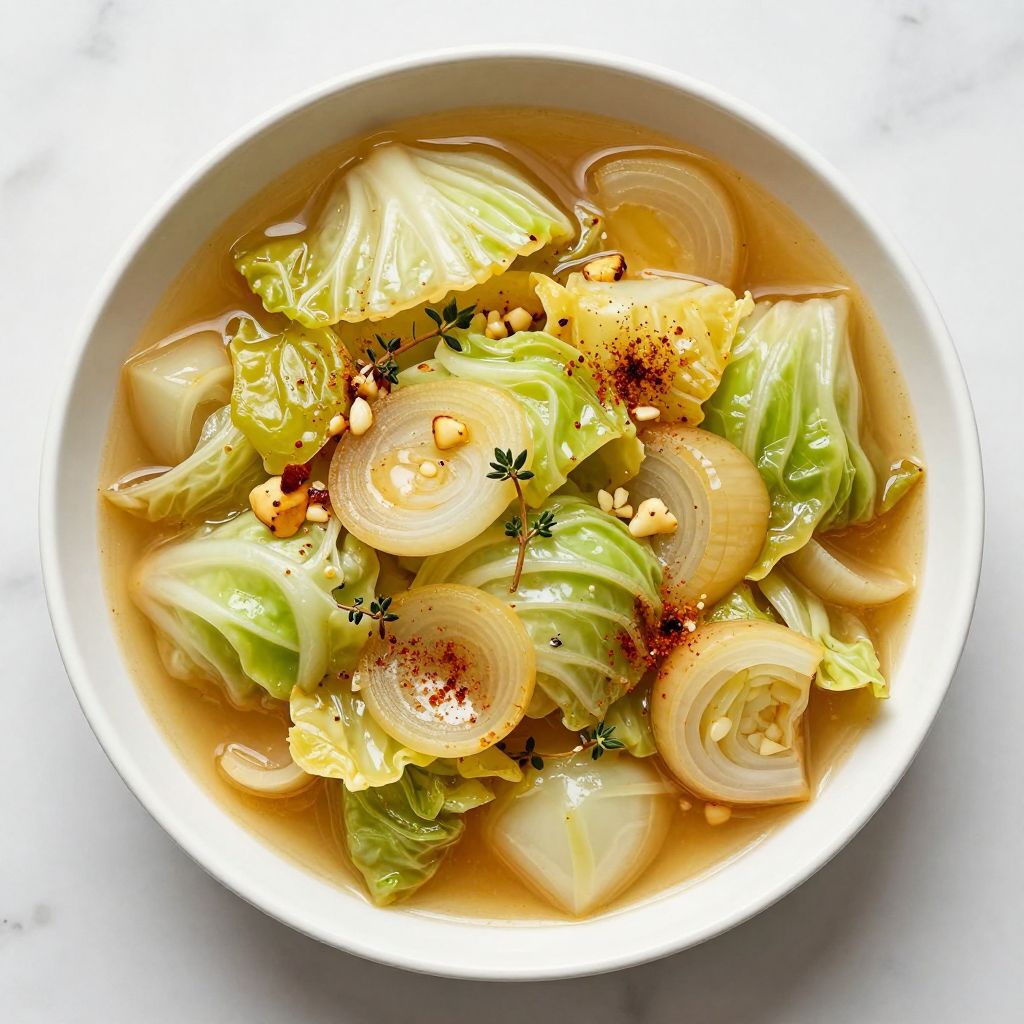
There’s something comforting about the smell of cabbage simmering gently in a pot of seasoned broth, filling your kitchen with warmth and promise. Cabbage boil is one of those humble dishes that delivers massive flavor with minimal fuss, making it perfect for weeknight dinners when you need something nourishing fast.
This recipe shines because it transforms simple vegetables into a deeply satisfying meal that works as a side dish, a light lunch, or even a detox-friendly dinner. The tender cabbage absorbs all the savory broth flavors, creating something far more interesting than you’d expect from such straightforward ingredients.
Why You’ll Love This Recipe
Quick, affordable, and ridiculously adaptable, cabbage boil checks all the boxes for busy cooks who refuse to sacrifice taste.
- Ready in under 30 minutes from start to finish
- Uses budget-friendly ingredients you probably already have on hand
- Naturally low-calorie and packed with vitamins and fiber
- Works as a side dish, light meal, or soup base depending on your mood
- Freezes beautifully and reheats without losing texture or flavor
My Experience Making This Recipe
I first made this dish on a random Tuesday when I was tired of complicated recipes and needed something real. What struck me most was how the kitchen filled with this savory, onion-forward aroma that made my family drift toward the stove without being called.
The texture is where this really wins me over. Unlike boiled vegetables that turn mushy and sad, properly cooked cabbage stays tender but still has enough body to feel substantial on your fork. My kids actually asked for seconds, which in my house feels like winning the lottery.
I’ve made this at least a dozen times now, and each time I tweak it slightly. Sometimes I add smoked sausage, sometimes I lean into the aromatics, but the core method stays the same because it just works.
Recipe Overview
- Recipe Name: Cabbage Boil
- Servings: 4 to 6 servings
- Prep Time: 15 minutes
- Cook Time: 20 minutes
- Total Time: 35 minutes
- Course: Side Dish or Light Main
- Cuisine: American Comfort Food
- Calories per Serving: 85 calories
Equipment You Will Need
- Large stainless steel or aluminum pot with a lid
- Sharp chef’s knife for chopping cabbage and onions
- Cutting board
- Wooden spoon or silicone spatula for stirring
- Measuring cups and spoons
- Slotted spoon for removing cooked cabbage
- Colander for draining if needed
Ingredients for Cabbage Boil
- 1 large head of green cabbage, roughly chopped into 2-inch pieces (about 8 cups)
- 1 large yellow onion, diced into half-moons
- 4 cloves garlic, minced
- 6 cups vegetable or chicken broth, low-sodium preferred
- 2 tablespoons butter
- 1 teaspoon sea salt, plus more to taste
- 1/2 teaspoon black pepper
- 1/2 teaspoon garlic powder
- 1/4 teaspoon smoked paprika (optional but recommended)
- 2 bay leaves
- Fresh thyme sprigs or 1/2 teaspoon dried thyme (optional)
Ingredient Notes and Substitutions
- Green cabbage: The most common choice for boiling, with a mild, slightly sweet flavor when cooked. Red cabbage works too but takes slightly longer to soften and will color the broth purple.
- Yellow onion: Provides depth and natural sweetness that develops beautifully during cooking. White onion is a fine swap if that’s what you have, though it’s slightly sharper.
- Butter: Adds richness and helps develop flavor in the aromatics. Olive oil works fine for a lighter version, though the mouthfeel shifts slightly.
- Broth: The backbone of this dish; homemade is wonderful, but quality store-bought saves time without sacrificing taste. Beef broth creates a richer, deeper result if you prefer that direction.
- Smoked paprika: Adds a subtle smokiness that makes people wonder what your secret ingredient is. Regular paprika or even a dash of cayenne pepper can substitute if you don’t have it on hand.
How to Make Cabbage Boil
Step 1: Prep Your Cabbage
Remove the outer leaves from your cabbage and discard them, then rinse the head under cool running water to remove any dirt trapped between the layers. Chop the cabbage into roughly 2-inch pieces, aiming for consistent size so everything cooks at the same rate.
Step 2: Heat Your Pot and Cook the Aromatics
Melt the butter in your large pot over medium heat, making sure it coats the bottom evenly. Add the diced onion and cook for about 3 to 4 minutes, stirring occasionally, until it softens and turns translucent at the edges.
Step 3: Add the Garlic
Once the onion has started to soften, add your minced garlic and cook for another 30 seconds to 1 minute, stirring constantly. This brief cooking time releases the garlic’s oils without letting it brown and turn bitter.
Step 4: Season the Base
Sprinkle in the salt, black pepper, garlic powder, smoked paprika, and thyme, stirring everything together so the spices coat the onions and garlic. This step blooms the spices in the hot butter and distributes them evenly throughout your pot.
Step 5: Pour in the Broth
Add the broth slowly while stirring, making sure you scrape up any flavorful bits stuck to the bottom of the pot. Bring the liquid to a rolling boil over medium-high heat, which should take about 3 to 4 minutes.
Step 6: Add the Cabbage and Bay Leaves
Once the broth is boiling, add your chopped cabbage in batches, stirring between additions so it wilts down into the liquid. Add the bay leaves, then reduce the heat to medium or medium-low so the mixture simmers gently rather than boiling aggressively.
Step 7: Simmer Until Tender
Cover the pot with a lid and let the cabbage simmer for 15 to 20 minutes, stirring occasionally to ensure even cooking. You’ll know it’s done when the cabbage is fork-tender but still holds together, not falling apart into mush.
Step 8: Taste and Adjust Seasoning
Remove the bay leaves and taste your cabbage boil, adjusting salt and pepper as needed. The flavors should be savory and aromatic, with the cabbage sweetness balanced against the broth and seasoning.
Pro Tip: Don’t skip the step of blooming your spices in butter; it transforms them from flat and dusty to rounded and flavorful, making all the difference in your final dish.
Tips for the Best Cabbage Boil
- Cut your cabbage into uniform pieces so nothing over-cooks while other pieces stay firm. Inconsistent sizing is the main reason some bites turn mushy.
- Use low-sodium broth so you can control the salt level without ending up with an overly salty dish. You can always add more salt, but you can’t take it out.
- Don’t skip sauteing the onions and garlic first; this base layer of flavor is what separates a boring boiled cabbage from something worth eating.
- Keep the lid on while simmering to trap steam and heat, which helps the cabbage cook more evenly and prevents the broth from reducing too much.
- Taste as you go and adjust seasoning gradually; cabbage’s subtle sweetness pairs beautifully with salt and pepper but gets overwhelmed if you’re too heavy-handed.
- If you like more broth in your final dish, add extra at the start or use less cabbage; if you prefer a drier result, uncover the pot for the last few minutes of cooking.
Common Mistakes to Avoid
- Overcooking the cabbage leads to mushy, sulfurous results that nobody wants. Stop at fork-tender and serve immediately to preserve texture.
- Skipping the aromatics step makes the dish taste flat and one-dimensional. Those first few minutes of cooking onion and garlic in butter are non-negotiable.
- Using low-quality or expired broth sabotages the whole dish since broth is literally the base. Fresh broth makes a shocking difference in depth of flavor.
- Adding all the cabbage at once prevents even cooking and leaves you with inconsistent textures. Add it in batches and stir so it wilts into the liquid.
- Forgetting the bay leaves and herbs strips the dish of aromatic complexity. These small additions create the savory backbone that makes people ask what your secret is.
Serving Suggestions
Cabbage boil works beautifully on its own as a light meal, but it shines even brighter alongside proteins and starches that soak up that wonderful broth. Serve it hot from the pot with crusty bread for dunking, or pair it with something more substantial.
- Alongside grilled sausages or smoked kielbasa for heartiness
- With roasted chicken or baked fish for a complete dinner plate
- Under or beside creamy mashed potatoes or buttery egg noodles
- As a side to grilled steak or roasted beef
- Topped with a fried egg for breakfast or brunch
Variations to Try
- Creamy cabbage boil: Stir in a splash of heavy cream or sour cream at the end for richness. This turns the broth into a light sauce that coats the cabbage beautifully.
- Spicy version: Add red pepper flakes, hot sauce, or fresh sliced jalapeños during cooking for heat. The cabbage’s mild nature plays well with spice and won’t overpower delicate palates.
- Sausage and cabbage: Brown some diced smoked sausage in the pot before cooking the onions, then proceed as normal. The rendered fat and meat flavor elevate this from side dish to main course.
- Apple cabbage boil: Add diced tart apple or a splash of apple cider vinegar near the end for brightness. The acidity and slight sweetness complement the cabbage’s natural sugars.
- Root vegetable version: Throw in cubed carrots, parsnips, or potatoes alongside the cabbage for a heartier vegetable boil. Add 5 to 10 extra minutes of cooking time if using harder vegetables.
Dietary Adaptations
- Gluten-free: This recipe is naturally gluten-free as written. Just confirm your broth is gluten-free if you have celiac disease or sensitivity.
- Dairy-free: Replace butter with olive oil or coconut oil in equal amounts. The flavor profile shifts slightly but remains delicious and satisfying.
- Vegan: Use vegetable broth and coconut or olive oil instead of butter. Skip any animal-based broths and you have a fully plant-based dish.
- Low-carb or keto: This dish is already quite low in carbohydrates, making it keto-friendly as written. Serve it with a protein source and fat to round out macros.
Storage and Reheating
Refrigerator
Let the cabbage boil cool to room temperature, then transfer it to an airtight container with some of the broth. It keeps for up to 4 days in the fridge.
- Store in a glass or plastic container with a tight-fitting lid
- Keep some broth with the cabbage to prevent it from drying out
- Label with the date so you remember how long it’s been stored
Freezer
Cabbage boil freezes exceptionally well for up to 3 months, making it perfect for meal prep. Freeze it in individual portions for quick weeknight reheats.
- Cool completely before freezing to avoid condensation and ice crystals
- Use freezer-safe containers or bags, removing as much air as possible
- Freeze in portions so you only thaw what you need
Reheating
Reheat gently on the stove over medium-low heat, adding a splash of broth or water if the mixture seems dry. Microwaving works in a pinch but can make the cabbage slightly tougher.
- Thaw frozen portions in the refrigerator overnight before reheating
- Reheat on the stovetop in a covered pot for the best texture
- Add a bit of extra broth or water if the mixture has reduced during storage
Nutrition Information
| Nutrient | Amount |
|---|---|
| Calories | 85 |
| Total Fat | 4g |
| Saturated Fat | 2g |
| Carbohydrates | 12g |
| Fiber | 3g |
| Sugar | 6g |
| Protein | 3g |
| Sodium | 620mg |
| Cholesterol | 5mg |
These values are estimates based on standard ingredient databases and assume 6 servings with broth included. Actual nutrition varies based on the specific products you use and how much broth remains in your final dish.
Frequently Asked Questions
Can I make this recipe without butter?
Yes, olive oil or avocado oil works perfectly in place of butter in equal amounts. The flavor will be slightly less rich, but the dish remains delicious and works beautifully for dairy-free diets.
How do I prevent the cabbage from turning gray or developing a sulfur smell?
Don’t overcook it, and keep the lid off for the last minute or two of cooking to let any sulfurous compounds escape. Cabbage releases these compounds more when boiled too long, so aim for fork-tender rather than falling-apart soft.
Can I prepare this dish the day before serving?
Absolutely, it actually tastes better the next day after the flavors have time to meld. Store it in the fridge and reheat gently on the stove before serving.
What’s the difference between this and sauteed cabbage?
Boiling creates a softer, more tender texture and allows the cabbage to absorb savory broth flavors, while sauteing keeps it crispier and browns it for caramelized notes. Both are wonderful depending on what you’re in the mood for.
Can I add meat to this recipe?
Definitely, try browning sausage, bacon, or ham before cooking the onions, or check out our sausage and cabbage recipe for a heartier twist. The rendered fat creates an even more flavorful base for the rest of the ingredients.
Is there a faster way to cook this?
Using high heat and skipping the lid will cook it faster, but you’ll lose some of the gentle flavor development. Stick with medium heat and the lid on for the best results, as the 20-minute cook time is already quite quick.
What if I don’t have bay leaves?
Bay leaves add subtle herbal depth, but the dish works without them. If you have fresh thyme, rosemary, or oregano, use those instead for similar complexity.
Final Thoughts
Cabbage boil proves that simple, wholesome food doesn’t need to be complicated or expensive to taste genuinely good. Every time I make this, I’m reminded that sometimes the best dishes are the ones our grandmothers made without fussing.
Give this recipe a try on a busy weeknight when you need something nourishing and fast. You’ll be surprised how this humble pot of vegetables becomes the star of your dinner table and possibly a regular rotation in your kitchen.
If you enjoyed this recipe and want more comfort food inspiration, explore our sauteed cabbage recipe for a different take on this versatile vegetable. Both approaches offer delicious ways to enjoy cabbage’s mild flavor and nutritional benefits in your everyday cooking.
Cabbage Boil
Ingredients
Equipment
Method
- Remove outer leaves from the cabbage; rinse under cool running water and chop into 2-inch pieces.
- Melt 2 tablespoons butter in a large pot over medium heat, then add diced onion and cook for 3 to 4 minutes until translucent.
- Add minced garlic and cook for 30 seconds to 1 minute, stirring constantly so it does not brown.
- Stir in sea salt, black pepper, garlic powder, smoked paprika, and thyme to bloom the spices in the butter.
- Slowly pour in 6 cups broth while scraping the pot bottom; increase heat to medium-high and bring to a rolling boil for about 3 to 4 minutes.
- Add cabbage in batches, stirring to wilt, then add bay leaves and reduce heat to medium-low to maintain a gentle simmer.
- Cover and simmer for 15 to 20 minutes, stirring occasionally, until the cabbage is fork-tender but still holds shape.
- Remove bay leaves, taste, and adjust salt and pepper before serving.