
Pregnancy is a critical time for expectant mothers, and making the right dietary choices is essential for the health of both the mother and the developing baby. With so much advice circulating, it’s crucial to understand which foods should be avoided during pregnancy. Many of these restrictions are in place to reduce the risk of foodborne illnesses and to ensure that the baby develops healthily.
This article will explore the various foods you should avoid when pregnant, why they pose risks, and how to make safe alternatives. A clear understanding will empower you to make informed dietary choices during this important time.
What Foods Can You Not Eat When Pregnant?
When pregnant, it’s best to avoid certain foods that can pose health risks. This includes raw or undercooked meats, eggs, seafood, unpasteurized dairy products, and certain types of fish. Each of these categories contains substances that could potentially harm the developing fetus.
Raw and Undercooked Meats
Consuming raw or undercooked meats can lead to serious foodborne illnesses, such as toxoplasmosis and listeriosis. These infections can seriously harm both the mother and the baby, potentially leading to complications or miscarriage. It is important to ensure all meats are cooked to the appropriate internal temperature.
Types of Meats to Avoid
- Raw beef
- Raw poultry
- Raw pork
- Cold cuts and deli meats (unless heated until steaming)
Recommended Cooking Temperatures
To reduce the risk of foodborne illnesses, use a food thermometer to ensure meats are cooked to the following internal temperatures:
- Beef, pork, lamb: 145°F (63°C) with a three-minute rest time
- Poultry: 165°F (74°C)
- Ground meats: 160°F (71°C)
Raw or Undercooked Eggs
Similar to meats, raw or undercooked eggs can harbor harmful bacteria such as Salmonella. Pregnant women should avoid foods made with raw eggs, which include homemade mayonnaise, Caesar salad dressing, and certain desserts like tiramisu and mousse.
Safe Egg Consumption
To safely consume eggs during pregnancy:
- Choose pasteurized eggs, which are less likely to contain Salmonella.
- Cook eggs thoroughly until both the whites and yolks are firm.
Making scrambled eggs or hard-boiled eggs is a safe way to enjoy them during pregnancy, while ensuring they are properly cooked.
Certain Seafood
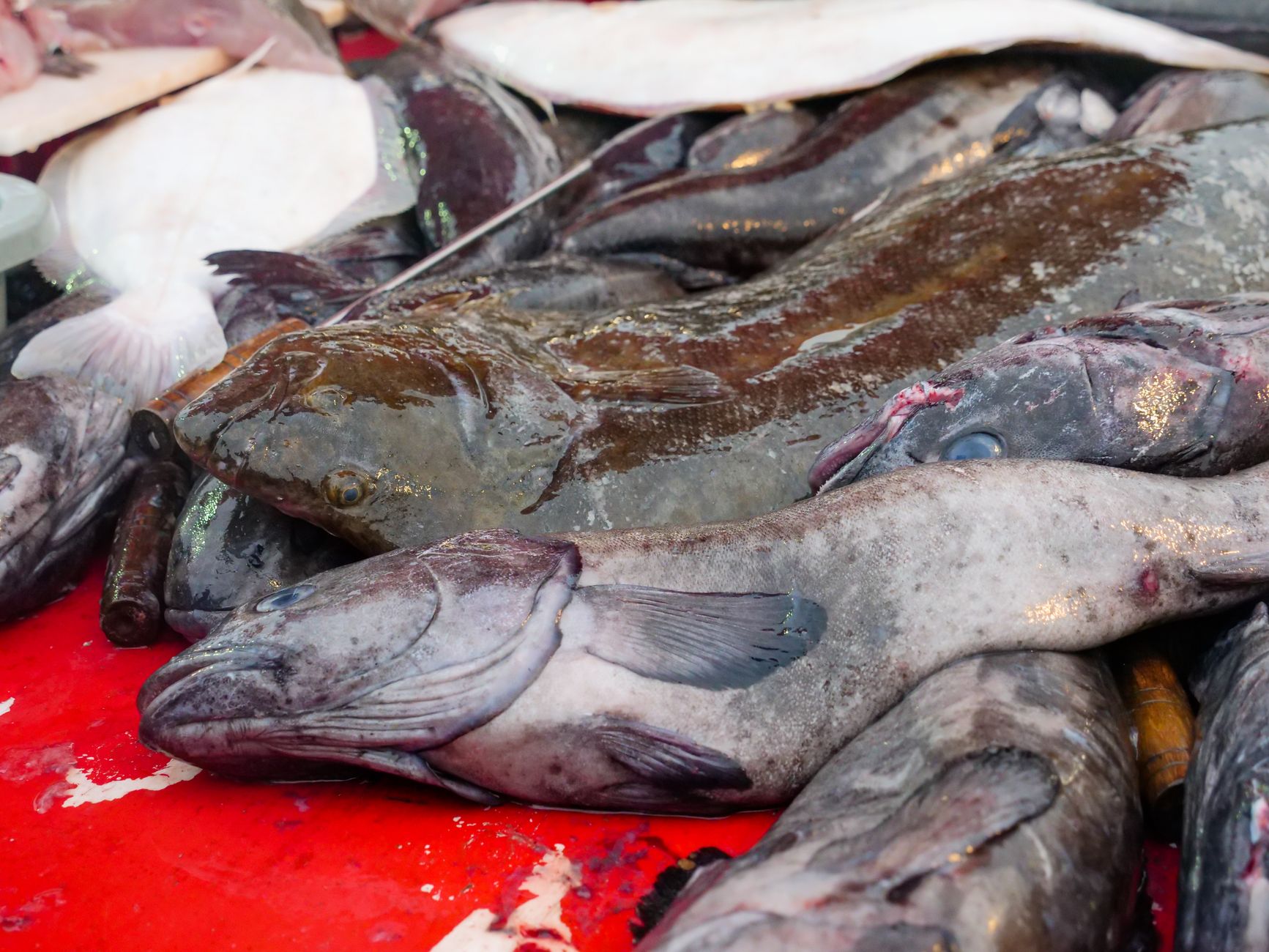
Seafood is a rich source of protein and omega-3 fatty acids, but some types may contain harmful levels of mercury or other toxins. Mercury is particularly dangerous for the developing nervous system of a fetus.
Fish to Avoid During Pregnancy
- Shark
- Tilefish
- King mackerel
- Marlin
- Swordfish
Safe Seafood Choices
Instead, opt for low-mercury fish, such as:
- Salmon
- Sardines
- Trout
- Canned light tuna (limit to 6 ounces per week)
These options are rich in nutrients without the harmful effects associated with higher mercury fish.
Unpasteurized Dairy Products
Dairy products are excellent sources of calcium and vitamin D, but unpasteurized versions can contain harmful bacteria such as Listeria, which can lead to severe complications during pregnancy.
Cheeses to Avoid
Be particularly cautious with:
- Soft cheeses like feta, brie, camembert, and blue cheese if they are made from unpasteurized milk.
Always check labels and choose only pasteurized dairy products.
Processed and Junk Foods
Foods high in sugar, sodium, and unhealthy fats should also be limited. While they won’t pose the same immediate risks as those listed above, a diet high in these foods can contribute to excessive weight gain, gestational diabetes, and other health complications.
Foods to Minimize
- Deep-fried foods
- Sugary snacks and beverages
- Processed meats like hot dogs and sausages
Caffeine and Alcohol
Both caffeine and alcohol present risks during pregnancy. High caffeine intake may be linked to fetal growth restrictions, while no safe amount of alcohol has been established. It is best to minimize or eliminate these substances.
Recommendations for Caffeine
Limit caffeine to below 200 mg per day, which is about one 12-ounce cup of coffee. Caffeine can also be found in tea, soft drinks, and chocolate.
Alcohol Considerations
For the safest outcome, it is best to completely avoid alcohol throughout the pregnancy to prevent fetal alcohol spectrum disorders.
Herbs, Spices, and Supplements
While many herbs and spices are safe, some can be harmful in large amounts during pregnancy. Always consult with a healthcare provider regarding herbal supplements.
Herbs to Avoid
- Chamomile
- Sage in large amounts
- Ginseng
Practical Tips for Safe Eating
To navigate food choices during pregnancy effectively, consider the following practical tips:
- Read labels carefully to check for pasteurization and ingredients.
- Practice good food safety habits: wash fruits and vegetables thoroughly, and be mindful of cross-contamination.
- Prioritize cooking at home where you can control ingredients and preparation methods.
Making Safe and Healthy Food Choices
Understanding what foods you cannot eat when pregnant is essential, but equally important is knowing what to replace them with. Here are some alternatives:
Substitutions for Unsafe Foods
If you’re looking to replace some of the restricted items, consider the following options:
- Instead of deli meats, opt for freshly cooked meats or plant-based proteins.
- Swap out raw eggs for store-bought, pasteurized options or cooked eggs in your dishes.
- Choose low-mercury fish instead of high-mercury varieties.
- For cheese, always select pasteurized options and hard cheeses, which are generally safer.
Creating a Balanced Diet
A well-rounded diet focuses on fresh fruits, vegetables, whole grains, lean proteins, and healthy fats. This approach not only meets nutritional needs but also helps manage pregnancy symptoms:
- Consider eating small, frequent meals to help manage nausea.
- Stay hydrated with water and limit caffeine, opting for herbal teas approved for pregnancy.
- Incorporate sources of folic acid, iron, calcium, and DHA for healthy development.
Common Mistakes to Avoid
Here are some frequent pitfalls to steer clear of during your pregnancy:
- Assuming all cheeses are safe; always check for pasteurization.
- Not cooking meats to the right temperature, leading to potential foodborne illness.
- Ignoring the caffeine and alcohol limits.
When in Doubt, Ask!
Consulting with a healthcare professional is always a good idea if there are uncertainties about food safety. Creating a pregnancy meal plan can also aid in selecting appropriate foods, ensuring you get proper nutrients while avoiding risky options.
Summary of Foods to Avoid
Taking care during pregnancy is crucial, and avoiding certain foods can play a part in the overall health of both mother and baby. The core categories include:
- Raw and undercooked meats
- Raw or undercooked eggs
- Certain types of seafood
- Unpasteurized dairy products
- Processed and junk foods
- Caffeine and alcohol
- Harmful herbs and spices
Adhering to these guidelines can help expectant mothers feel secure in their dietary choices and foster a healthy environment for their unborn child. With awareness and forethought, delicious and nutritious meals are completely achievable.
As you navigate this exciting time, remember to explore other convenient resources, such as cooking guides, nutrition tips, and meal planning ideas to support your culinary needs during pregnancy.