
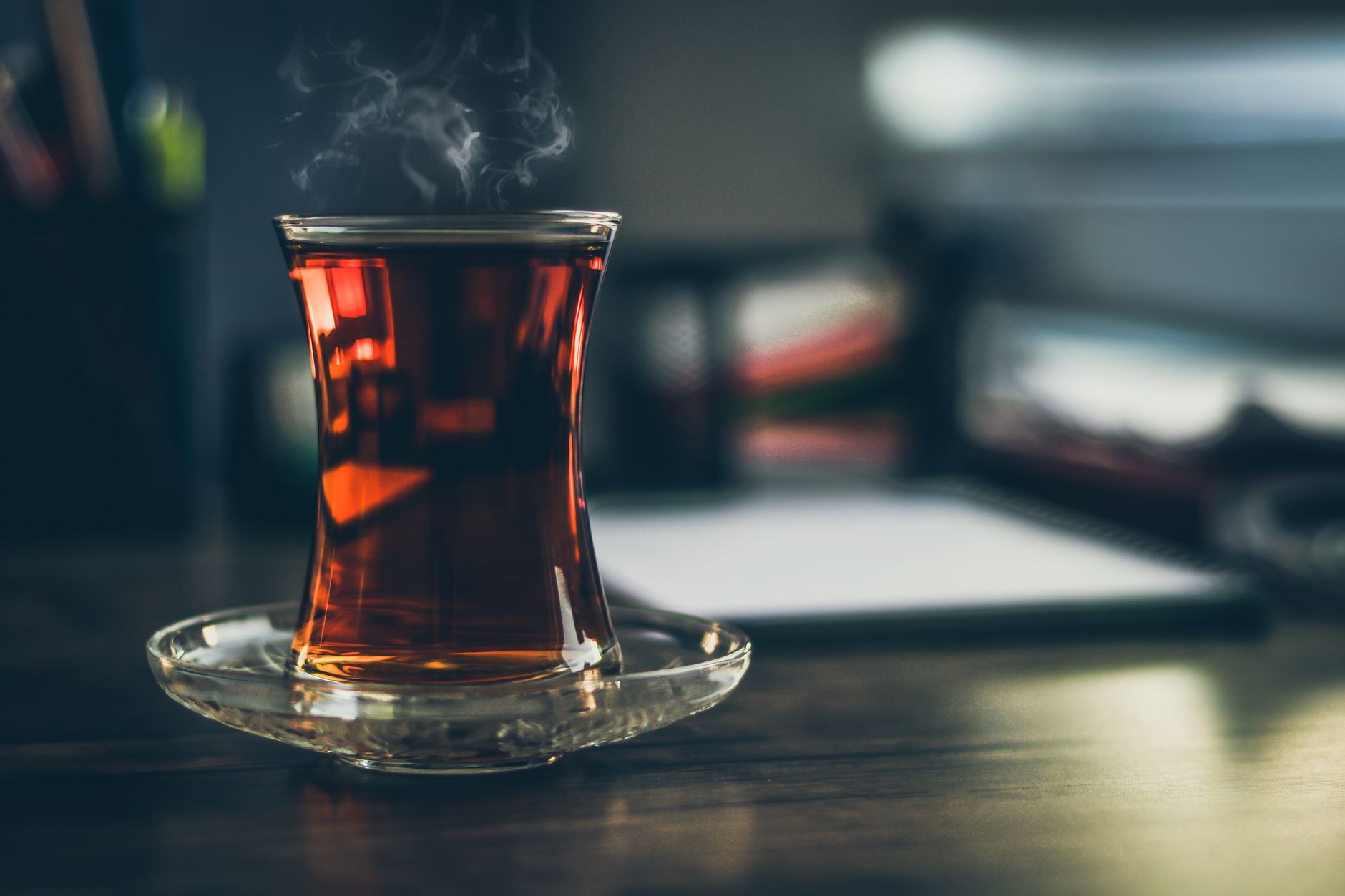
Black tea is one of the most popular beverages worldwide, enjoyed for its robust flavor and various health benefits. A common question among tea drinkers and novices alike is whether black tea is caffeinated. Understanding the caffeine content in black tea can significantly influence your choices regarding beverage consumption.
In this article, we will explore the caffeine content in black tea, how it compares with other types of tea, and what factors can affect this amount. We will also discuss ways to enjoy black tea and provide practical tips for selecting and brewing the best cup.
Is Black Tea Caffeinated?
Yes, black tea is caffeinated. On average, an 8-ounce cup contains approximately 40-70 milligrams of caffeine, depending on various factors such as the tea type, brewing time, and temperature. This amount is generally less than a similarly sized cup of coffee, but it can provide a noticeable boost in energy and alertness.
Understanding Caffeine in Black Tea
The caffeine content in black tea varies significantly among different brands and types. Factors influencing the caffeine level include:
- Tea Variety: Different varieties of black tea have different caffeine concentrations. For example, Assam and Darjeeling teas may differ in their caffeine contents.
- Processing: The way tea leaves are processed can also affect their caffeine levels. Leaves processed with higher oxidation generally have higher caffeine content.
- Brewing Time: The longer you steep black tea, the more caffeine will be extracted. A longer steep typically increases caffeine concentration.
- Water Temperature: Using boiling water (212°F or 100°C) usually extracts more caffeine than cooler water. Therefore, the brewing temperature can impact the final caffeine content.
Caffeine Levels in Different Teas
To give you a clearer picture, here’s a comparison of caffeine content in various common caffeinated beverages:
| Beverage | Caffeine Content (mg per 8 oz) |
|---|---|
| Black Tea | 40-70 |
| Green Tea | 20-45 |
| Oolong Tea | 30-50 |
| White Tea | 15-30 |
| Coffee | 95-200 |
| Espresso | 63 |
How to Brew Black Tea for Optimal Flavor and Caffeine Content
Brewing black tea correctly can enhance its flavor while maximizing caffeine extraction. Here’s how to do it:
- Choose Quality Tea: Start with high-quality loose leaf black tea or tea bags. Quality influences both flavor and caffeine content.
- Measure the Tea: Use about 1 teaspoon of loose leaf tea per 8 ounces of water. Adjust according to your taste preference.
- Heat the Water: Bring water to a rolling boil at 200°F to 212°F (93°C to 100°C). High temperatures extract more caffeine.
- Steeping: Pour the hot water over the tea and steep for 3-5 minutes. For stronger tea, steep longer but take care not to over-brew, as it can turn bitter.
- Strain and Serve: Remove the tea leaves or tea bag. Enjoy hot or pour over ice for cold varieties.
Types of Black Tea to Consider
Black tea comes in several varieties, each with its own unique flavor profile and caffeine content. Some popular options include:
- Assam: Known for its strong, malty flavor, Assam tea often has a higher caffeine content, making it a robust option for breakfast teas.
- Darjeeling: Often referred to as the “Champagne of Teas,” Darjeeling has a lighter, floral flavor. Its caffeine content is on the lower end of black teas.
- English Breakfast: This blend typically contains a mix of different black tea varieties, creating a rich and hearty cup, often enjoyed with milk.
- Earl Grey: A flavored black tea with bergamot oil, Earl Grey combines citrus notes with the tea’s inherent robustness.
Health Considerations and Caffeine Sensitivity
Being aware of caffeine content is important, especially for individuals sensitive to caffeine. Caffeine can cause various effects, including:
- Increased heart rate
- Insomnia
- Jitters or anxious feelings
For those who are sensitive to caffeine, choosing a decaffeinated option or limiting intake may be advisable. However, moderate caffeine consumption is generally considered safe for most healthy adults.
Popular Black Tea Variants
In addition to traditional black teas, various blends and flavored varieties provide exciting options for tea lovers:
- Chai: A spiced black tea blend, often mixed with milk and sugar, chai is aromatic and invigorating, with its origins in India.
- Masala Chai: A more robust variation of chai, masala chai includes a mixture of herbs and spices, enhancing flavor and potential health benefits.
- Flavored Black Teas: Many tea brands offer black tea blended with fruits, herbs, or spices to create unique flavor profiles.
How to Incorporate Black Tea into Your Daily Routine
Black tea can be enjoyed in various ways beyond just sipping it straight:
- Iced Tea: Brew black tea and chill it for a refreshing beverage during warmer months. Sweeten or flavor with citrus or mint as desired.
- Tea Lattes: Combine brewed black tea with frothed milk for a creamy treat reminiscent of coffee lattes.
- Cooking and Baking: Use brewed black tea as an ingredient in marinades, sauces, or even baked goods for enhanced flavor.
Common Mistakes When Brewing Black Tea
Even experienced tea drinkers can make mistakes. Here are common pitfalls to avoid:
- Wrong Water Temperature: Using water that is too cold can result in a weak brew, while boiling water can create bitterness.
- Incorrect Steeping Time: Steeping for too long can lead to an overly bitter taste. Experiment with timing to find your preferred strength.
- Low-Quality Tea: Skimping on quality may diminish the flavor and experience. Invest in good tea for better results.
Storage and Shelf Life of Black Tea
Proper storage is essential to maintain the flavor and potency of black tea:
- Container: Store tea in an airtight container to prevent exposure to air, moisture, and light.
- Location: Keep tea in a cool, dark place away from strong odors.
- Shelf Life: When stored properly, black tea can last for 1-3 years, but the flavor may start to decline over time.
Conclusion
Black tea is indeed caffeinated and offers both a delightful taste and energizing boost. Understanding its caffeine content can help you enjoy black tea responsibly, whether you’re seeking an invigorating morning beverage or a comforting afternoon pick-me-up. With endless varieties and ways to enjoy it, black tea can easily find a place in your daily routine.
Now that you understand more about black tea, why not experiment with some delicious brewing techniques? You might also want to explore what black tea is or learn how much caffeine is in chai tea for a broader perspective on your tea options: What is Black Tea?, How Much Caffeine in Chai Tea?.