
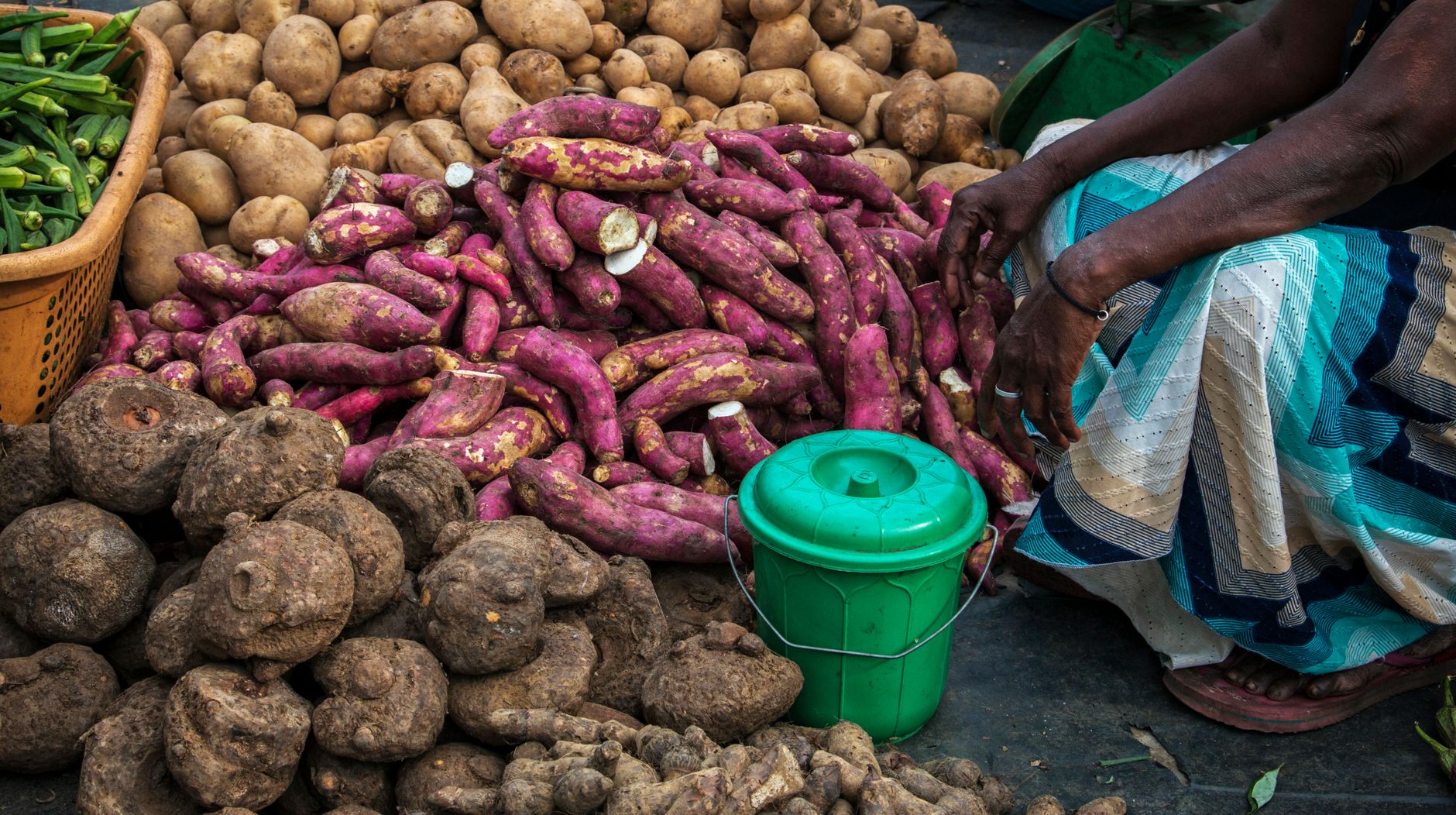
When it comes to roots in the kitchen, yams and sweet potatoes often spark confusion. Both are nutritious, starchy vegetables with distinct flavors and textures. Many people use the terms interchangeably, but they are quite different both botanically and culinarily.
In this article, we’ll explore whether yams are the same as sweet potatoes, delving into their origins, characteristics, and uses in cooking. We will also cover practical tips for selecting, preparing, and cooking both to enhance your culinary repertoire.
Is A Yam The Same As A Sweet Potato?
No, yams and sweet potatoes are not the same. They come from different plant families, have varying textures, and possess unique flavors. Sweet potatoes belong to the morning glory family, while yams are starchy tubers from the Dioscorea family. In North America, what many people call yams are typically orange-fleshed sweet potatoes.
Understanding Yams
Yams are native to Africa and Asia and are known for their starchy, dry flesh. They tend to have a rough, scaly skin ranging in color from white to purple. Here are some key characteristics of yams:
- Texture: Starchy, dense, and dry.
- Flavor: Mild and earthy, often described as bland compared to sweet potatoes.
- Varieties: Over 600 species, with the most common solid-fleshed varieties being white yam, yellow yam, and purple yam.
Understanding Sweet Potatoes
Sweet potatoes are native to Central and South America. They come in several varieties, with purple, orange, and yellow flesh. Unlike yams, their skin is usually smoother, and their flesh has a sweeter flavor. Here are some distinctive features of sweet potatoes:
- Texture: Creamy or moist, ranging from soft to firm.
- Flavor: Naturally sweet, characterized by a slightly nutty taste.
- Varieties: Two main types – the orange-fleshed sweet potatoes (often labeled as “yam” in stores) and the white-fleshed variety.
Nutritional Differences
While both yams and sweet potatoes are excellent starchy vegetables, they have different nutritional profiles. Here’s a comparison based on 100-gram servings:
| Nutrient | Yam | Sweet Potato |
|---|---|---|
| Calories | 118 | 90 |
| Carbohydrates | 27 g | 20 g |
| Fiber | 4 g | 3 g |
| Sugar | 0 g | 4 g |
| Vitamin A | 0 IU | 14,187 IU |
Sweet potatoes offer more Vitamin A and slightly fewer calories, making them a popular choice for health-conscious individuals. They also have a higher sugar content, giving them their characteristic sweetness.
Cooking Techniques for Yams and Sweet Potatoes
While yams and sweet potatoes can sometimes be used interchangeably in recipes, their differences in texture and flavor mean that they may perform differently in various cooking methods. Here are popular cooking techniques for both.
Boiling
Boiling is a straightforward method that works well for both root vegetables. Here’s how to do it:
- Peel and chop the yams or sweet potatoes into even-sized pieces for uniform cooking.
- Place them in a pot of boiling salted water. Start timing when the water returns to a boil.
- Cook for about 15-30 minutes until fork-tender (cooking time will vary depending on size).
- Drain and serve immediately, or mash them with butter and seasonings.
Baking
Baked yams and sweet potatoes develop rich flavors and a creamy texture. Here’s how to do it:
- Preheat your oven to 400°F (200°C).
- Scrub the yams or sweet potatoes thoroughly and poke several holes using a fork.
- Wrap each in aluminum foil for a softer skin or bake them unwrapped for a firmer texture.
- Bake for 45-60 minutes until the flesh is soft and can be pierced easily with a fork.
- Let cool slightly, then slice open and top with your favorite toppings.
Steaming
Steaming preserves moisture and nutrition while also yielding a tender finish. Use this method when you want a healthier side dish. Here’s how:
- Cut the yams or sweet potatoes into cubes or wedges.
- Place in a steamer basket over boiling water, cover, and steam for about 15-20 minutes.
- Check for doneness by piercing piece with a fork; it should be tender.
- Season with salt, pepper, or a drizzle of olive oil.
What Are Common Uses for Yams and Sweet Potatoes?
Yams and sweet potatoes can be enjoyed in various dishes. Here is how you can incorporate both into your meals:
Yams
- Soups and Stews: Yams add bulk and substance to hearty soups.
- Fried Dishes: Slice yams into chips and deep-fry for a crunchy snack.
- Gratin: Layer thin slices of yam in a baking dish with cream and cheese for a rich casserole.
Sweet Potatoes
- Purees: Sweet potatoes can be cooked and mashed into a delightful puree, ideal for baby food or holiday sides.
- Fries: Cut into sticks, tossed with oil, and baked for healthier sweet potato fries.
- Pies: A classic sweet potato pie is a favorite dessert in many cultures, especially during holidays.
Practical Tips for Selecting and Storage
Selecting high-quality yams and sweet potatoes will enhance your dishes. Here’s what to look for:
Choosing Yams
- Look for yams with firm texture and minimal blemishes.
- Avoid those with soft spots, sprouting, or excessive wrinkling.
Choosing Sweet Potatoes
- Select sweet potatoes with smooth skin and no bruises.
- Color should be vibrant, and it should feel heavy for its size.
Storage
Store both yams and sweet potatoes in a cool, dry, well-ventilated place. Ideal conditions will ensure they last longer.
- Do not refrigerate yams or sweet potatoes, as cold temperatures can alter their taste and texture.
- Check them weekly and remove any that show signs of spoilage.
Common Mistakes When Cooking Yams and Sweet Potatoes
When preparing yams and sweet potatoes, there are a few common pitfalls to avoid:
- Overcooking: Both vegetables can turn mushy. Keep an eye on the cooking time and test for doneness frequently.
- Peeling Before Cooking: Cooking with the skin can enhance flavor and preserve nutrients. Peel afterward for ease.
- Confusing Yams and Sweet Potatoes: Remember, they are different! Know what you are buying to match your recipe needs.
Flavor Pairing Ideas
Yams and sweet potatoes can be enhanced by complementary flavors. Consider these pairings:
Yams
- Herbs: Thyme, rosemary, or cinnamon.
- Spices: Nutmeg and chili powder can elevate the natural flavor.
Sweet Potatoes
- Spices: Brown sugar, cinnamon, and ginger create a lovely harmony.
- Toppings: Marshmallows, pecans, and maple syrup enhance their sweetness during baking.
Using Yams and Sweet Potatoes in Meal Planning
Both yams and sweet potatoes can be versatile additions to your meal prep. Here are some practical ways to incorporate them across the week:
- Batch Cooking: Cook large quantities of sweet potatoes or yams to use in various dishes throughout the week.
- Stir-Fries: Dice and sauté with other vegetables and proteins for quick dinners.
- Breakfast Options: Mash or slice for breakfast bowls or to make sweet potato pancakes.
Conclusion
Yams and sweet potatoes may often be mixed up, but understanding their differences helps in selecting the right root for your meals. Both bring unique flavors, textures, and nutritional benefits that can enhance any dish. Knowing how to cook, select, and pair these vegetables will elevate your culinary skills and meal planning. Start experimenting with yams and sweet potatoes tonight for a hearty and nutritious addition to your table!
Explore related recipes, cooking tips, or food guides such as can chickens eat cooked rice or how long to bake a sweet potato to learn more about cooking with diverse ingredients!