
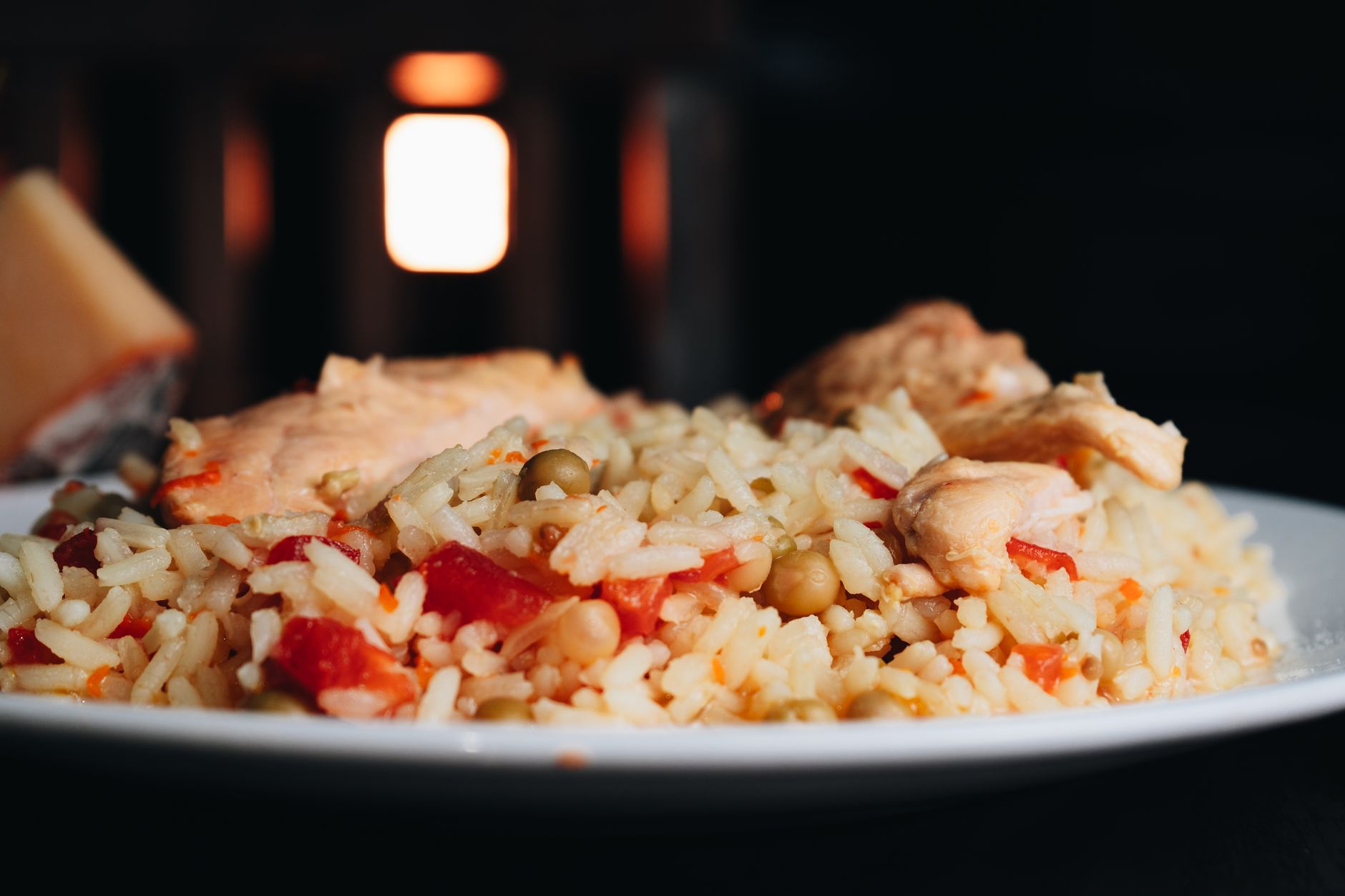
When it comes to feeding chickens, many poultry owners are keen to provide a balanced and varied diet. With so many food options available, you might wonder about specific ingredients like cooked rice. Can chickens eat cooked rice? The straightforward answer is yes, chickens can safely enjoy cooked rice as part of their diet.
Cooked rice serves as a nutritionally rich addition to a chicken’s meal. However, understanding the proper way to incorporate it into their diet is essential. This article provides detailed insights into the benefits, preparation methods, and best practices for feeding cooked rice to your chickens.
Can Chickens Eat Cooked Rice?
Yes, chickens can eat cooked rice, and it can be a beneficial addition to their diet. Cooked rice is non-toxic to chickens and offers a variety of nutrients that can complement their standard feed. When feeding rice to chickens, ensure it is served plain, without any added spices, sauces, or oils.
Nutritional Benefits of Cooked Rice
Cooked rice is an excellent source of carbohydrates, which provide energy to chickens. Here’s a quick look at the nutritional benefits:
- Energy Source: The carbohydrates in rice serve as a vital energy source for chickens, helping them with their daily activities.
- Easily Digestible: Cooked rice is easy for chickens to digest, making it a suitable option for birds of all ages, including chicks.
- Low in Fat: Unlike many grains, rice is low in fat, which can help prevent obesity among backyard chickens.
- Variety in Diet: Adding cooked rice introduces variety to a chicken’s diet, keeping mealtime interesting and encouraging healthy eating habits.
How to Prepare Cooked Rice for Chickens
Preparing cooked rice for your chickens is simple and straightforward. Here’s a step-by-step guide:
- Choose the Right Rice: You can use white, brown, or jasmine rice. Avoid rice that is heavily seasoned or prepared with sauces.
- Rinse the Rice: Rinse the rice under cold water to remove any excess starch and impurities.
- Cook the Rice: Cook rice in boiling water according to package instructions. Typically, this involves using a ratio of 2 cups of water to 1 cup of rice. Bring water to a boil, add rice, reduce to a simmer, and cover for 15-20 minutes until tender.
- Cool the Rice: Allow the rice to cool before serving it to your chickens. Hot rice can cause burns in their mouths.
- Serve in Small Portions: Offer cooked rice in small amounts, mixed with other grains or vegetables, to encourage a balanced diet.
Feeding Cooked Rice to Chickens: Best Practices
When introducing any new food to your chickens, including cooked rice, consider these best practices:
- Moderation is Key: Rice should only be a treat and not a staple part of their diet. Limit intake to avoid an unbalanced diet.
- Avoid Seasonings: Never feed chickens rice prepared with butter, salt, spices, or any other flavorings.
- Watch for Allergies: As with any new food, observe your chickens for any unusual behavior or signs of allergies after introducing rice.
- Complement with Other Foods: Rice can be part of a larger, diversified diet that includes grains, seeds, vegetables, and the appropriate poultry feed.
Potential Concerns with Feeding Cooked Rice
While cooked rice is safe for chickens, there are a few considerations to keep in mind. Being aware of these potential concerns ensures the health and well-being of your flock:
- Over-reliance on Rice: Chickens that consume too much rice may miss out on essential nutrients found in other foods.
- Cooked vs. Uncooked: While cooked rice is safe, uncooked rice contains antinutritional factors that may be harmful in large amounts; therefore, always feed them cooked rice.
- Balance with Protein: Chickens require protein as part of their diet. Pair rice with sources of protein like insects, mealworms, or complete poultry feed.
Other Rice Varieties and Options
Cooks may also consider various rice options and their impact on chickens. Here’s a deeper look at alternatives:
- Brown Rice: Although more nutritious than white rice, brown rice is higher in fiber, which can be beneficial but may not be suitable for all chickens, especially if they are prone to digestive issues.
- Wild Rice: Technically a grass, wild rice offers more protein and a different flavor. Ensure it is cooked and plain before serving.
- Rice Mixed with Vegetables: Consider mixing cooked rice with chopped vegetables like carrots, peas, or greens to enhance the nutritional profile.
Alternatives to Rice for Chickens
If you’re looking to switch things up or provide more variety, several alternative grains also benefit chickens:
- Oats: Rolled or whole oats are great for chickens and are high in fiber.
- Barley: This whole grain is often included in chicken feed, providing extra nutrients.
- Quinoa: High in protein and amino acids, quinoa can be cooked and fed in moderation.
Common Mistakes to Avoid When Feeding Chickens
To help you successfully incorporate cooked rice into your chickens’ diet, here are some common mistakes to avoid:
- Feeding Too Much: Overfeeding rice can lead to an imbalanced diet; always serve in moderation.
- Ignoring Freshness: Ensure the rice is fresh and not spoiled. Spoiled food can harm your birds.
- Feeding Uncooked Rice: Always serve cooked rice to chickens, as uncooked rice can contain harmful antinutritional factors.
- Neglecting Other Nutrients: Rice should complement, not replace, the essential poultry feed to maintain proper health.
Storing Cooked Rice for Chickens
Proper storage of any leftover cooked rice is crucial for maintaining freshness and preventing spoilage:
- Cooling and Refrigerating: Store leftover cooked rice in an airtight container in the refrigerator for up to four days.
- Freezing: For longer storage, cooked rice can be frozen in portions. Be sure to thaw it completely before feeding.
- Avoid Reheating: Never reheat rice for your chickens, as it should be served cool to avoid burns.
Feeding Cooked Rice in Relation to Chicken Age
Different age groups of chickens may have varying dietary needs. Here’s a closer look:
- Chicks: Young chicks can eat very small portions of cooked rice. It’s best to introduce rice gradually as part of a balanced diet that includes chick feed.
- Growing Pullets: Young hens (pullets) can benefit from cooked rice as they grow, but sufficient protein and vitamins must remain their primary focus.
- Adult Chickens: For adult chickens, cooked rice can be a healthy treat as part of their balanced diet.
Conclusion
Incorporating cooked rice into your chickens’ diet can provide nutritional benefits and add variety to their meals. Remember to balance their diet with other essential nutrients, observe portion sizes, and avoid any added seasonings. By following these guidelines, you can ensure your chickens enjoy delicious and healthy meals. For those looking to expand their poultry feeding techniques, explore the ideas of feeding chickens popcorn or try making homemade chicken stock with leftovers.
If you’re interested in other feeding options, check out articles about feeding chickens popcorn or learn how to make chicken stock at home.