
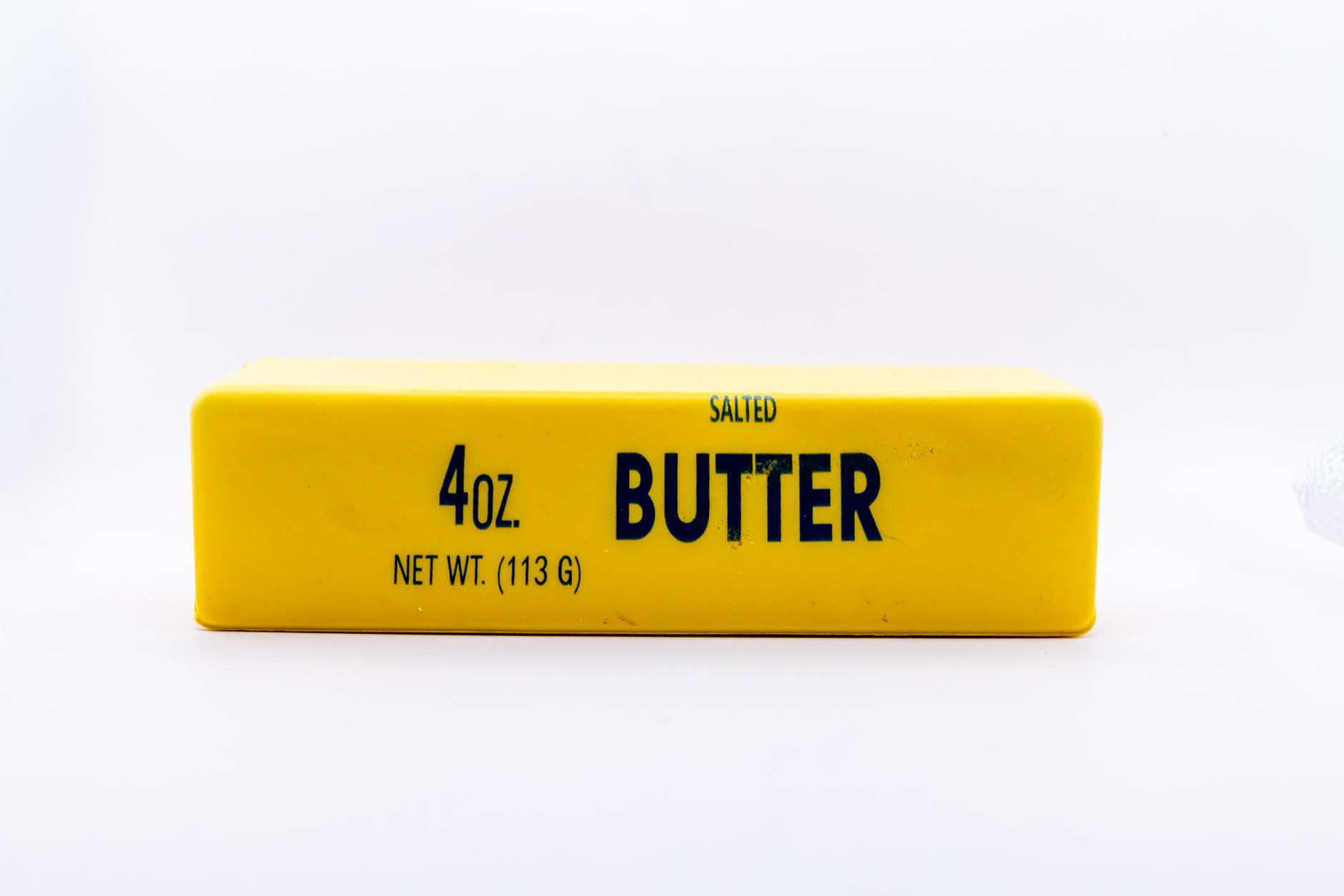
When baking or cooking, precise measurements can significantly impact the outcome of your dish. One common question many home cooks face is whether a stick of butter equals 1/2 cup. Understanding butter measurements can help prevent mishaps in your culinary endeavors.
In this guide, we delve into the specifics of butter measurements, how to use it effectively in recipes, and explore practical uses and substitutions that keep your dishes flavorful and your baking consistent.
Is a Stick of Butter 1/2 Cup?
Yes, a standard stick of butter typically measures 1/2 cup. This common measurement is vital for many recipes, particularly in baking, where accurate ingredient ratios are crucial. One stick usually weighs 4 ounces.
Understanding Butter Measurements
Butter in the U.S. often comes pre-packaged in sticks, which are marked for easy measuring. Here’s a clearer breakdown:
- 1 stick of butter = 1/2 cup
- 2 sticks of butter = 1 cup
- 4 sticks of butter = 1 pound (16 ounces)
Familiarizing yourself with these measurements aids in adjusting recipes and ensuring your dishes turn out correctly.
Why Accurate Measurements Matter
Accurate ingredient measurements are critical, especially in baking, which relies more on precise ratios than cooking does. Incorrect butter measurement can lead to:
- Drier or overly dense baked goods
- Changes in flavor
- Variability in texture
Understanding how to measure butter, especially when using it in different forms (solid, melted, or softened), can enhance your baking and cooking processes.
How to Measure Butter
Measuring Solid Butter
To measure a stick of butter accurately, follow these steps:
- Look for the pre-marked measurements on the wrapper. Each stick typically has tablespoons and cup measurements on the packaging.
- Using a sharp knife, cut off a section at the designated measurement line if you need less than a full stick.
For a full stick, simply unwrap and use as needed in your recipe.
Measuring Melted Butter
When a recipe calls for melted butter, here’s how to measure:
- Chop the stick of butter into small pieces for even melting.
- Place the chopped butter in a microwave-safe bowl and heat at 50% power, checking every 15 seconds until melted.
- Once melted, allow it to cool slightly before measuring. Pour the liquid into a measuring cup to ensure you have the exact amount.
Measuring Softened Butter
Softened butter resembles mayonnaise in texture and is often required in cookie recipes. To measure:
- Leave the butter at room temperature (about 68°F to 70°F) for about 30 minutes to soften.
- Use the same cutting method as for solid butter if you need a specific measurement.
Using Butter in Recipes
Butter serves multiple roles in various cooking and baking applications. Here’s how it contributes:
- Flavor: Adds richness and a distinct flavor
- Texture: Enhances moisture and can create a flakier texture in baked goods
- Structure: Plays a role in creating stability in dough and batters
Common Uses for Butter in Cooking and Baking
Butter is used in a variety of culinary applications:
Baking
In baking, butter is often the foundation for cookies, cakes, brownies, and pastries:
- Cakes: Creaming butter with sugar creates a light texture and aids in rising.
- Cookies: The type of butter (softened or melted) significantly impacts the texture.
- Pastries: Cold butter is essential for creating flaky pastries.
Cooking
Beyond baking, butter is an integral cooking ingredient:
- Sautéing: Used for browning vegetables and proteins for additional flavor.
- Finishing sauces: A pat of butter can enrich sauces and add a velvety texture.
- Making sauces: Serve as the base for making sauces, such as béchamel or hollandaise.
Substituting Butter
If you’re out of butter or looking to make a healthier choice, consider these substitutes:
Common Butter Substitutes
- Shortening: Use a 1:1 ratio; provides similar texture but different flavor. Ideal for cookies.
- Margarine: Can substitute 1:1 for butter; however, it may alter flavor and texture slightly.
- Coconut oil: Use a 1:1 ratio; provides a different flavor and can change the final texture.
- Applesauce: Use 1/2 cup of applesauce for 1 cup of butter; works in baked goods but can affect texture.
Understanding Ingredient Labels
When purchasing butter, understanding the different types can also help in choosing the right product for your culinary needs. Here’s a breakdown:
- Sweet Cream Butter: Most common type made from fresh cream.
- Unsalted Butter: Preferred in baking for flavor control.
- Salted Butter: Has added salt, often used for everyday cooking.
Choosing the correct type of butter can affect flavor and overall dish success. Unsalted butter is often recommended for baked goods to ensure better control over salt levels.
Practical Tips for Using Butter
Here are some practical tips to help you work with butter more effectively:
- Keep butter cold for flaky pastries but warm for creamy textures in batters.
- Always check if your recipe specifies stick or cup measurements.
- When substituting, consider how the substitute will affect the final product.
Common Butter Mistakes and Troubleshooting
Even experienced cooks can run into mistakes with butter. Here are some to watch for and how to avoid them:
- Using melted instead of room-temperature butter: This can create overly dense baked goods, particularly in cookies and cakes.
- Not accounting for other fats in recipes: If substituting other fats, adjust proportions accordingly to maintain flavor and texture.
- Overmixing: When butter is creamed into sugars for baking, overmixing can lead to tough textures, particularly in cookies.
Storing Butter
Proper storage helps maintain the quality of butter:
- Short-term storage: Store butter in its original packaging in the refrigerator.
- Long-term storage: Wrapped tightly in foil or plastic wrap and placed in an airtight container to prevent absorption of odors, butter can be frozen for up to six months.
Final Thoughts on Butter as an Ingredient
Butter is a beloved ingredient in many homes for its flavor and versatility. Understanding its measurements and uses can enhance your cooking and baking efforts.
Now that you’re equipped with knowledge about butter measurements, consider giving new recipes a try. From flaky pastries to rich sauces, the right usage of butter can elevate your dishes.
For more information on substitutions in baking, check out our guide on what is shortening in baking. You can also explore our article on what is pumpkin puree for additional ingredient insights.