
When discussing culinary ingredients, one might stumble upon the term “alp,” particularly in relation to cheese. Alp is a Swiss cheese that is distinct in flavor and texture, typically made in alpine regions of Switzerland. Understanding where alp is made helps appreciate its cultural significance and culinary applications.
This article explores the origins of alp cheese, its production methods, and its diverse uses in the kitchen. By the end, you will gain insight into how to select, store, and use this unique cheese in your culinary endeavors.
Where Is Alp Made?
Alp cheese, known as Alpkäse in German, is primarily produced in the mountainous alpine regions of Switzerland. This traditional cheese-making process occurs during the summer months when cows graze on the lush pastures of the Alps, yielding rich milk that contributes to the cheese’s unique flavor.
Origins of Alp Cheese
The history of alp cheese dates back to the ancient practices of Swiss dairy farming. Traditionally, herders would take their cattle to high pastures during the summer months, where the cows would graze on fresh grasses and wildflowers.
These high-altitude pastures produce milk with a distinctive character, leading to the creation of various alpine cheeses. Alp cheese is typically made from cow’s milk, but some regions may also use goat or sheep milk, depending on what is available during the summer months.
Production of Alp Cheese
The production of alp cheese is a meticulous process that blends artisanal skills with traditional methods. Here’s an overview of the key steps involved in making alp cheese:
1. Milk Collection
The first step in the cheese-making process is milk collection. Farmers gather fresh milk from cows that have grazed extensively on alpine grasses and herbs. This enhances the flavor profile of the milk further.
2. Pasteurization
In some cases, the collected milk may be pasteurized to eliminate harmful bacteria. However, traditional methods sometimes skip this step, allowing the natural flora of the milk to influence the cheese’s flavor.
3. Curdling
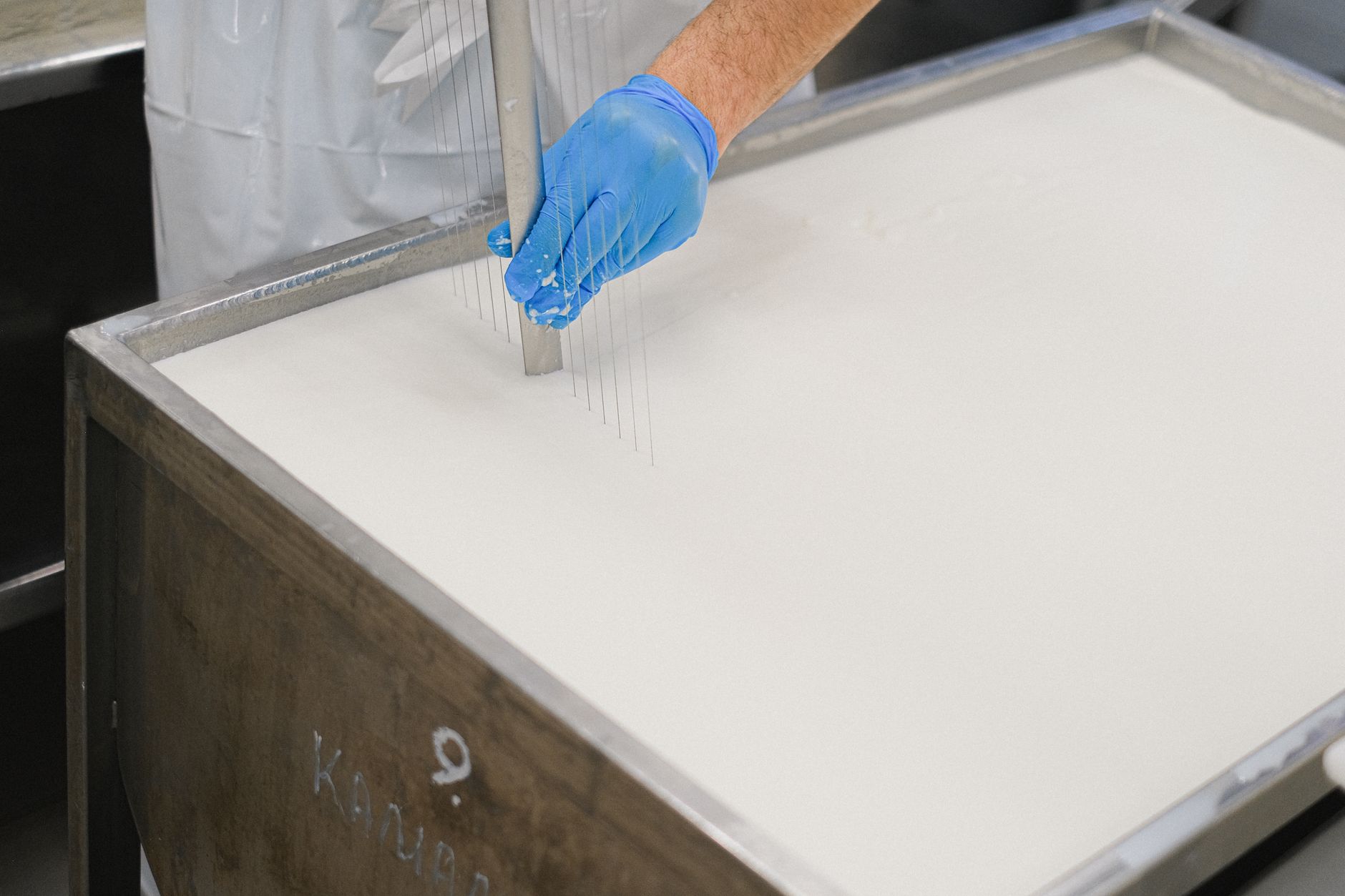
Next, a coagulant, usually rennet, is added to the warmed milk. This causes the milk to curdle, separating into curds (solid) and whey (liquid). The curds are then gently stirred to promote further coagulation.
4. Cutting the Curd
Once the curds have formed, they are cut into smaller pieces to help release more whey. The size of the curd pieces affects the final texture of the cheese; smaller curds lead to drier cheese, while larger curds yield a more moist cheese.
5. Cooking the Curd
After cutting, the curds are heated to a specific temperature, which further encourages whey to escape. This process helps develop the cheese’s texture and flavor.
6. Draining and Molding
Once the curds have reached the desired consistency, they are placed in molds to shape the cheese. Excess whey is drained off, but some moisture is kept to ensure the cheese is not too dry.
7. Pressing
The curds in the molds are pressed to compact them and remove additional whey. This step can take several hours, and weight is gradually increased to achieve the desired density.
8. Salting
After pressing, the cheese is salted. This not only enhances flavor but also acts as a preservative. Some alps cheeses are salted directly within the curds, while others are brined after molding.
9. Aging
The cheese is typically aged for several weeks to several months, depending on the desired flavor and texture. Aging takes place in a controlled environment, allowing the cheese to develop complex flavor profiles.
10. Packaging
After aging, alp cheese is packaged appropriately for distribution. It is commonly sold in wheels or blocks and can be found in specialty cheese shops or online.
Culinary Uses of Alp Cheese
Alp cheese’s robust flavor and creamy texture make it a versatile addition to many dishes. Some popular culinary uses include:
1. Cheese Boards
Alp cheese can shine on a cheese board, paired with dried fruits, nuts, and a variety of crackers. Its rich flavor complements other cheeses and enhances the overall taste experience.
2. Cooking and Baking
You can incorporate alp cheese into a variety of dishes like:
- Fondues: Melted alp cheese is perfect for traditional Swiss fondue. Combine it with white wine and garlic, and dip bread into the bubbling mixture.
- Pastas: Grate alp cheese over pasta dishes for added flavor. It works particularly well in creamy sauces or baked pasta recipes.
- Soups and Sauces: Use alp cheese as a finishing touch in soups or sauces, adding a creamy richness and depth of flavor.
- Savory Pastries: Incorporate alp cheese into savory pastries like tarts and quiches, where it can melt beautifully and complement other ingredients.
3. Sandwiches and Salads
Alp cheese can be sliced for sandwiches or added to salads for a touch of flavor. Its unique taste works well with various meats, fresh vegetables, and dressings.
4. Gratin Dishes
Try layer slices of alp cheese in gratin dishes, allowing it to form a crusty, golden topping when baked. This method adds a delightful cheesy layer that elevates simple ingredients.
5. Pairings
Alp cheese pairs wonderfully with certain wines and accompaniments. Ideal wine pairings include:
- White Wine: A crisp white wine, such as Sauvignon Blanc, complements the flavors of alp cheese.
- Red Wine: Light reds like Pinot Noir also work well when served with alp cheese-based dishes.
- Fruit and Nuts: Serve alp cheese with figs, pears, or walnuts for a delightful contrast of texture and flavor.
Storing Alp Cheese
The way you store alp cheese can significantly impact its shelf life and flavor. Here are some tips for proper storage:
1. Wrapping
Wrap alp cheese in wax paper or parchment paper. Avoid plastic wrap, as it can trap moisture and lead to mold growth.
2. Refrigeration
Store wrapped alp cheese in the vegetable or cheese drawer of your refrigerator. The ideal temperature for cheese storage is between 34°F and 38°F (1°C to 3°C).
3. Minimizing Air Exposure
Limit exposure to air by wrapping and placing in an airtight container after the initial use. This helps to maintain the cheese’s moisture and flavor.
4. Freezing
It is not recommended to freeze alp cheese, as freezing can alter its texture and flavor. However, if necessary, cut the cheese into smaller portions before freezing.
Common Mistakes When Using Alp Cheese
Using alp cheese in cooking can be delightful, but there are mistakes to avoid:
1. Not Allowing to Reach Room Temperature
Cheese is best enjoyed at room temperature, so allow alp cheese to sit out for about 30 minutes before serving. This brings out the cheese’s full flavor and aroma.
2. Overheating
When cooking with alp cheese, avoid overheating it to prevent it from becoming grainy. Gently melt cheese over low heat when incorporating it into sauces or dishes.
3. Ignoring Taste Pairings
Pairing alp cheese with the wrong ingredients can lead to an unbalanced dish. Be mindful of flavors that complement, rather than overshadow, the cheese.
Alp Cheese Substitutions
If you find yourself without alp cheese but wish to recreate similar dishes, consider these substitutions:
- Gruyère Cheese: This Swiss cheese has similar textures and flavors, making it an excellent choice for fondues and gratins.
- Emmental Cheese: Known for its nuttiness, Emmental is another Swiss cheese that can substitute alp cheese in many recipes.
- Havarti Cheese: For a creamier texture, Havarti can provide a milder flavor that still works in melted cheese applications.
Conclusion
Alp cheese is a versatile ingredient that embodies the traditions of Swiss cheese making. Understanding where it is made and how it is produced allows you to appreciate its unique qualities. Whether you’re enjoying it on a cheese board, in a fondue, or as part of a savory pastry, alp cheese offers a delightful experience that enhances various culinary creations.
For those looking to expand their cheese knowledge, explore what is Chihuahua cheese or learn about the art of a soufflé for exciting inspirations in your kitchen.