
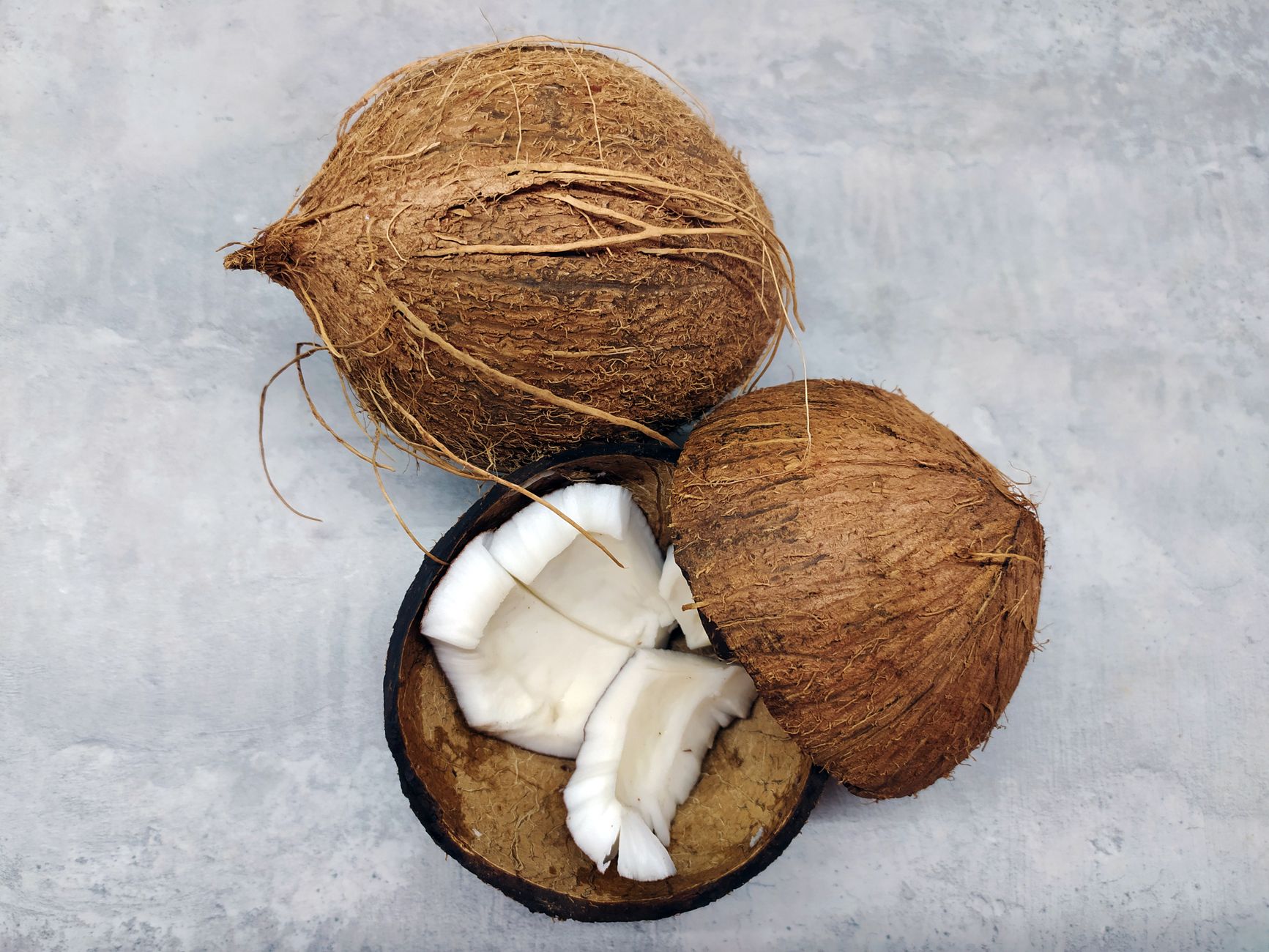
The coconut is a fascinating ingredient steeped in culinary lore and nutritional value. A common question arises: Is a coconut a nut? To clarify, while the term suggests it, a coconut is technically classified as a drupe—more specifically, a fibrous one-seeded drupe. This distinction impacts its culinary uses and nutritional profile, making it a staple in various cuisines worldwide.
This article delves into the classification of coconuts, their culinary applications, nutritional information, and how to use them effectively in cooking and baking. Whether you’re interested in coconut milk, shredded coconut, or fresh coconut meat, understanding its characteristics can elevate your cooking.
Is A Coconut A Nut?
Yes and no. Botanically, a coconut is not a true nut; it is classified as a drupe because it features three layers: the exocarp (outer skin), mesocarp (fibrous husk), and endocarp (hard shell) that contains the seed. In culinary contexts, however, it is often grouped with nuts due to its similar flavor and texture.
What Is A Drupe?
A drupe is a type of fleshy fruit characterized by a thin skin, a fleshy mesocarp, and a hard stone holding the seed. Other examples of drupes include peaches, cherries, and olives. Understanding this can help explain why coconuts have certain textures and culinary uses that differ from true nuts.
Culinary Uses of Coconuts
Coconuts are versatile ingredients that can be utilized in a variety of forms. Here’s a breakdown of the main types of coconut products you may encounter:
- Fresh Coconut Meat: The white flesh inside can be eaten raw, added to salads, or used in various dishes.
- Shredded Coconut: Grated coconut meat that is often sweetened or unsweetened. It’s used in baking, desserts, and granola.
- Coconut Milk: Made by blending the flesh with water, this creamy liquid is ideal for curries, soups, and smoothies.
- Coconut Oil: Extracted oil ideal for cooking, baking, or as a dairy-free ingredient in various recipes.
- Coconut Water: The clear liquid found inside young coconuts, it’s a refreshing beverage and a popular choice for hydration.
Nutritional Profile of Coconuts
Coconuts are rich in several nutrients and offer a unique profile compared to other fruits and nuts. Here are key nutritional aspects:
- Healthy Fats: Coconuts contain medium-chain triglycerides (MCTs), which can be beneficial as they are metabolized differently than other fats.
- Fiber: High in dietary fiber, coconuts can help support digestive health.
- Essential Minerals: Coconuts provide important minerals such as manganese, copper, and selenium.
- Caloric Density: Due to their fat content, coconuts are calorie-dense, so moderation is key.
Cooking with Coconuts
Incorporating coconuts into your cooking can enhance flavor, texture, and nutritional value. Here’s how to effectively use different forms of coconut:
Using Fresh Coconut
Fresh coconut can be used in various ways. Here’s a simple method to prepare it:
- Start by removing the husk and cracking open the shell. You may use a hammer or a cleaver to do this safely.
- Once opened, separate the meat from the shell using a knife. You can also use a spoon to scoop it out.
- Wash the meat thoroughly and slice or grate it according to your recipe needs.
Cooking with Shredded Coconut
Shredded coconut can be used in both sweet and savory dishes. Here are some tips:
- Baking: Add shredded coconut to cookies, cakes, or muffins for texture and flavor. It pairs well with chocolate and tropical flavors.
- Granola: Combine shredded coconut with oats, nuts, and honey or maple syrup for homemade granola.
- Toasting: Lightly toast shredded coconut in a skillet to enhance its flavor and add a crunchy texture. Stir constantly to avoid burning.
Incorporating Coconut Milk
Coconut milk is particularly useful in various cuisines, especially Southeast Asian and Indian dishes. Here’s how to use it:
- Soups: Use coconut milk as a base for creamy soups or curries. It adds depth and richness.
- Smoothies: Replace dairy or regular milk with coconut milk for a tropical twist.
- Whipping: Chill a can of coconut milk overnight to separate the cream. The cream can be whipped and used in desserts.
Utilizing Coconut Oil
Coconut oil is a popular cooking fat with a distinct flavor. Here’s how to use it:
- Cooking: Use it for frying, sautéing, or roasting vegetables and proteins.
- Baking: Substitute coconut oil for butter or vegetable oil in recipes; it works particularly well in baked goods with tropical flavors.
- Raw Uses: Coconut oil can also be added to smoothies or used as a spread.
Refreshing Coconut Water
Coconut water is an excellent hydrating drink. Here are some insights on its use:
- Standalone Beverage: Enjoy it chilled on its own, especially after exercise for replenishment.
- In Smoothies: Use coconut water instead of regular water or juice for a tropical flavor.
Common Substitutions for Coconut Ingredients
In case you don’t have some coconut products on hand, here are a few viable substitutions:
- Coconut Milk: Substitute with almond or soy milk, although these will alter the flavor and calorie content.
- Shredded Coconut: Use nuts or seeds for crunch, though this will change the taste profile.
- Coconut Oil: Replace with neutral oils like canola or vegetable oil, although the flavor will differ.
- Coconut Water: Use plain water or another fruit juice, which may alter taste but will serve as a hydrating alternative.
Common Mistakes When Cooking with Coconut
Even though coconut is user-friendly, there are some common pitfalls to avoid:
- Overcooking Coconut Milk: Overheating coconut milk can cause it to separate. Keep it at a gentle simmer.
- Dryness in Baking: When baking, shredded coconut can absorb moisture, leading to dryness. Adjust liquid ingredients accordingly.
- Wrong Coconut Type: Ensure you’re using the correct form of coconut for your recipe, as their flavors and textures can vary significantly.
Storage Tips for Coconut Products
Correct storage is crucial for preserving the quality of coconut products:
- Fresh Coconut: Store uncut coconuts at room temperature, and once cut, refrigerate and consume within a week.
- Shredded Coconut: Keep shredded coconut in an airtight container. Unsweetened varieties can last months in the freezer.
- Coconut Milk: Once opened, refrigerate leftover coconut milk and use within a week. You can freeze it in ice cube trays for future use.
- Coconut Oil: Store in a cool, dark place to maintain its quality; it can last up to two years unopened.
- Coconut Water: Consume shortly after opening, unless pasteurized. Store in the fridge and finish within a few days.
Interesting Coconut Recipes to Try
Here are two delightful coconut-based recipes to try at home:
Coconut Cookies
A chewy and delicious cookie that encapsulates the flavor of coconut. This recipe is perfect for coconut lovers.
- Yield: 24 cookies
- Preparation Time: 15 minutes
- Cooking Time: 12-15 minutes
- Total Time: 30 minutes
- 1 cup shredded coconut
- 1 cup all-purpose flour
- 1/2 cup sugar
- 1/2 cup butter, softened
- 1 egg
- 1 tsp vanilla extract
- 1/2 tsp baking powder
- 1/4 tsp salt
- Preheat the oven to 350°F (175°C).
- In a large bowl, cream the butter and sugar until light and fluffy.
- Add the egg and vanilla extract, mixing well.
- In another bowl, combine flour, baking powder, and salt.
- Gradually add the dry ingredients to the wet mixture, stirring until just combined.
- Fold in shredded coconut.
- Drop spoonfuls of dough onto a lined baking sheet.
- Bake for 12-15 minutes or until edges turn golden.
- Allow to cool before serving.
Coconut Margarita
This refreshing cocktail combines tropical coconut flavor with a classic margarita. Perfect for summer gatherings!
- Yield: 2 servings
- Preparation Time: 5 minutes
- 1 cup coconut milk
- 1/2 cup tequila
- 3 tbsp lime juice
- 1 tbsp simple syrup (optional)
- Ice
- Salt for rimming glasses
- Rim glasses with salt and set aside.
- In a shaker, combine coconut milk, tequila, lime juice, and simple syrup.
- Add ice and shake well to combine.
- Strain into glasses filled with ice.
Coconuts, while not a true nut, play a significant role in many culinary practices worldwide. Their versatility allows them to be used in numerous ways, whether fresh, shredded, or as coconut products. Understanding their classification and how to best utilize them can elevate your cooking experiences.
Explore delicious recipes like these Coconut Cookies and Coconut Margarita, and transform the way you cook with coconut. If you’re eager to make delightful treats, consider trying out these coconut-based recipes: Coconut Cookies Recipe and Coconut Margarita Recipe.