
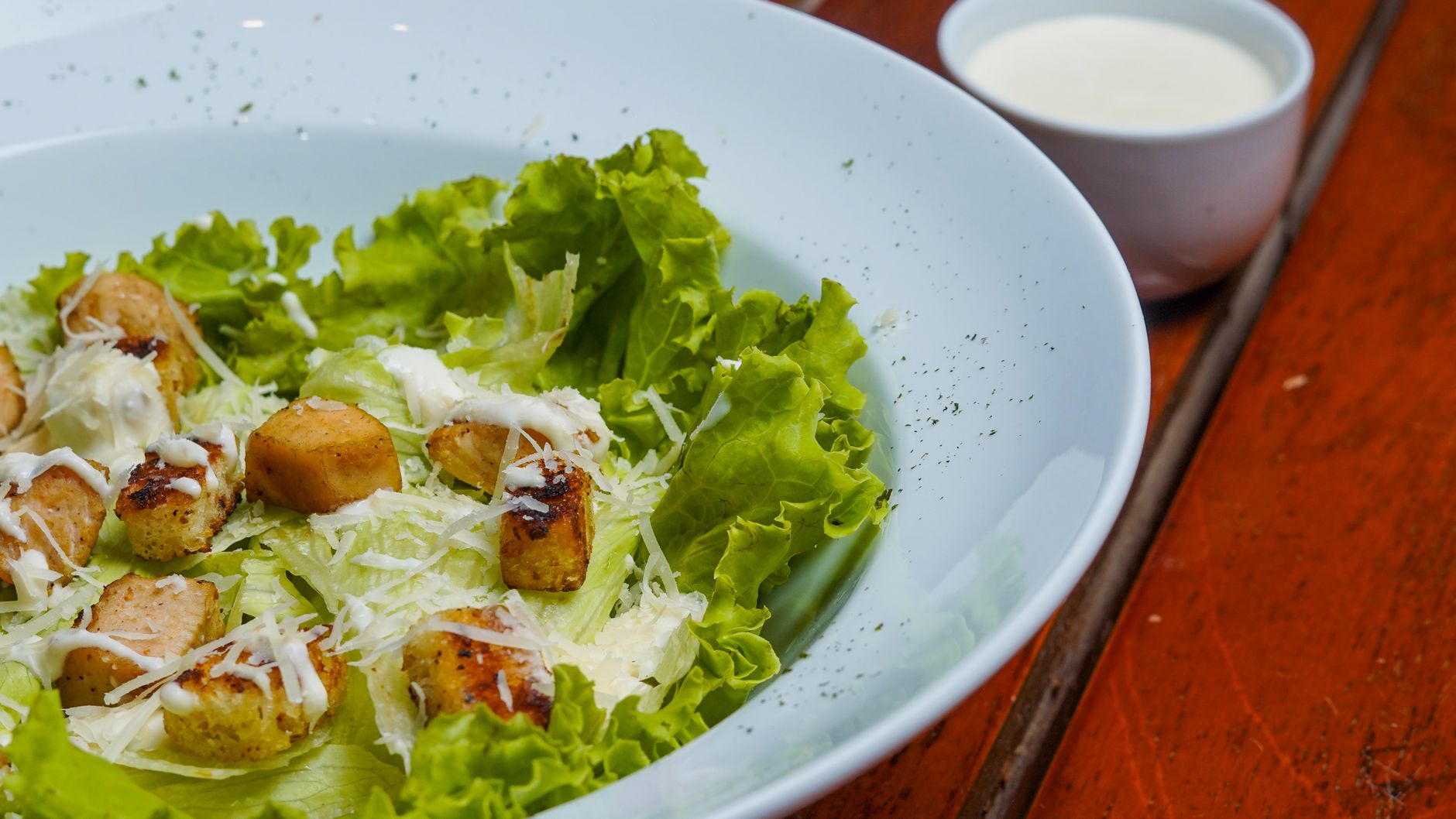
The Caesar salad is a classic dish known for its distinct flavors and creamy texture. While many enjoy it as a delicious side or main course, questions often arise regarding its healthiness. This article will explore the key nutritional aspects of a Caesar salad and provide insights into its ingredients, potential modifications, and considerations for a balanced diet.
From its origins to modern variations, we will unpack whether Caesar salads can fit into a healthy lifestyle. Understanding its components will help you make informed choices when enjoying this popular dish.
Is a Caesar Salad Healthy?
To determine the healthiness of a Caesar salad, it is essential to consider its ingredients, portion sizes, and how it fits into your overall dietary patterns. While some elements can be nutritious, others may pose concerns, particularly due to high calorie and fat content.
Understanding the Classic Caesar Salad Ingredients
A traditional Caesar salad is composed of several key ingredients:
- Romaine lettuce
- Croutons
- Parmesan cheese
- Caesar dressing (typically made with olive oil, egg yolks, garlic, anchovies, lemon juice, and Worcestershire sauce)
1. Romaine Lettuce
Romaine lettuce serves as the base for a Caesar salad. It is low in calories while being rich in vitamins and minerals like vitamin A, K, and folate. It also provides dietary fiber, promoting digestive health.
2. Croutons
Croutons add a crunchy texture to Caesar salads but are often made from white bread and can be high in calories and unhealthy fats, especially if fried. Opting for whole grain or homemade croutons can enhance the nutritional value while adding fiber.
3. Parmesan Cheese
Parmesan cheese, a staple in Caesar salads, offers calcium and protein. However, it is also high in fat and sodium, which can be a concern when consumed in large portions. Using a moderate amount can keep the flavors while managing calorie intake.
4. Caesar Dressing
The dressing is where a Caesar salad can become calorie-dense. Store-bought dressings often contain added sugars, preservatives, and unhealthy fats. The classic recipe includes olive oil, raw egg yolks, and anchovies, which contribute healthy fats and proteins but also increase calorie counts. Making a lighter version at home can reduce fat and calorie content.
Nutritional Breakdown of a Classic Caesar Salad
To give a clear picture of the nutritional value, consider an estimate for a standard Caesar salad with one cup of romaine lettuce, a half cup of croutons, two tablespoons of Parmesan cheese, and two tablespoons of Caesar dressing:
- Calories: Approximately 300 to 500 calories, depending on the dressing and crouton choices
- Protein: Approximately 8 grams
- Fat: Approximately 25 grams (with significant saturated fat from cheese and dressing)
- Carbohydrates: Approximately 30 grams
- Sodium: Potentially over 800 mg, varying with dressing and croutons
Health Considerations for Caesar Salads
When assessing whether a Caesar salad is healthy, it’s essential to consider its potential benefits and drawbacks:
Benefits
- Rich in fiber from romaine lettuce, which can aid digestion and promote feelings of fullness.
- Provides vitamins and minerals necessary for overall health.
- Can be a good source of healthy fats if using homemade or lighter dressing options.
Drawbacks
- High calorie and fat content, especially when processed dressings and croutons are used.
- May contain excessive sodium, particularly if store-bought salads or dressings are chosen.
- Poor protein content as a complete meal, which could lead to overlooking other protein-rich foods in your diet.
Making Your Caesar Salad Healthier
If you enjoy Caesar salads but want to enhance their nutritional profile, consider the following strategies:
1. Use Fresh, Whole Ingredients
Opt for fresh, whole ingredients whenever possible. For example, make homemade croutons using whole-grain bread, and control the amount of oil and seasonings.
2. Modify the Dressing
Consider lighter alternatives for the dressing, such as yogurt-based versions or vinaigrettes that offer flavor without a hefty calorie count. A homemade dressing using Greek yogurt, lemon juice, and mustard can still provide creaminess with reduced fats.
3. Add Protein
Incorporate grilled chicken, shrimp, or chickpeas to the salad. This not only adds protein but can also make the dish more filling, making it a well-rounded meal.
4. Watch Portion Sizes
Be mindful of portion sizes, especially with cheese and croutons, to manage calorie and fat intake. A smaller portion can still provide delicious flavor without overwhelming your dietary needs.
Common Mistakes When Preparing Caesar Salad
Even minor oversights can lead to less healthy preparations of Caesar salads. Here are some common mistakes to avoid:
1. Overloading with Dressing
It’s easy to drown your salad in dressing. Consider starting with just a little and gradually adding more while tossing to ensure you’re not exceeding reasonable calorie limits.
2. Choosing Low-Quality Ingredients
Using low-quality oils, processed cheeses, or dressings can negate health benefits. Choosing high-quality olive oil or fresh cheese can enhance both flavor and nutrition.
3. Forgetting About Dietary Needs
Be aware of individual dietary restrictions or needs. For example, those with gluten allergies should opt for gluten-free croutons or skip them altogether.
Caesar Salad Variations for Different Dietary Needs
Many variations can keep the Caesar salad exciting while catering to different dietary preferences:
1. Vegetarian Caesar Salad
To make a vegetarian version, simply omit the anchovies in the dressing and consider adding tofu or chickpeas. Adding nuts can provide healthy fats and a protein punch.
2. Vegan Caesar Salad
To create a vegan Caesar salad, you can use silken tofu to replace the egg in the dressing. Nutritional yeast can help replicate the cheesy flavor without using animal products.
3. Gluten-Free Caesar Salad
For gluten-free options, ensure croutons are made from gluten-free bread or use sliced cucumbers or roasted chickpeas for crunch.
Meal Planning with Caesar Salad
Incorporating Caesar salad into your meal planning can be both functional and adaptable for various occasions. Consider the following:
1. Pairing with Proteins
When planning meals, pair Caesar salad with protein-rich dishes. Grilled chicken or side options like fish can enhance the meal and provide better satiety.
2. Side Dish Versatility
Caesar salad can be a great side dish alongside proteins and other vegetables, versatile enough to be served at gatherings or barbecues.
3. Portion Control
Preparing salads in smaller portions can help manage caloric intake while still keeping the dish as part of a balanced diet.
Storing and Reheating Caesar Salad
Proper storage is essential to maintain the taste and safety of Caesar salads. Here are some best practices:
1. Store Salad Components Separately
To keep the salad fresh, store the greens, croutons, cheese, and dressing in separate containers. This will help prevent sogginess, mainly if preparing in advance.
2. Refrigeration
Refrigerate all components promptly if not consumed right away. Use airtight containers to keep ingredients fresh; the salad should ideally be consumed within two days.
3. Avoid Freezing
It is not advised to freeze Caesar salads as lettuce and dressing can become watery or lose texture when thawed.
Conclusion
A Caesar salad can be part of a healthy diet when prepared thoughtfully with high-quality ingredients and mindful portion sizes. By making simple modifications, you can enjoy this classic dish while aligning it with your nutritional goals. Consider exploring alternatives or pairings that enhance its balance in your meals.
For more food-related guides, you might find these articles useful: explore if salami is healthy, or learn more about the nutrition of pozole.