
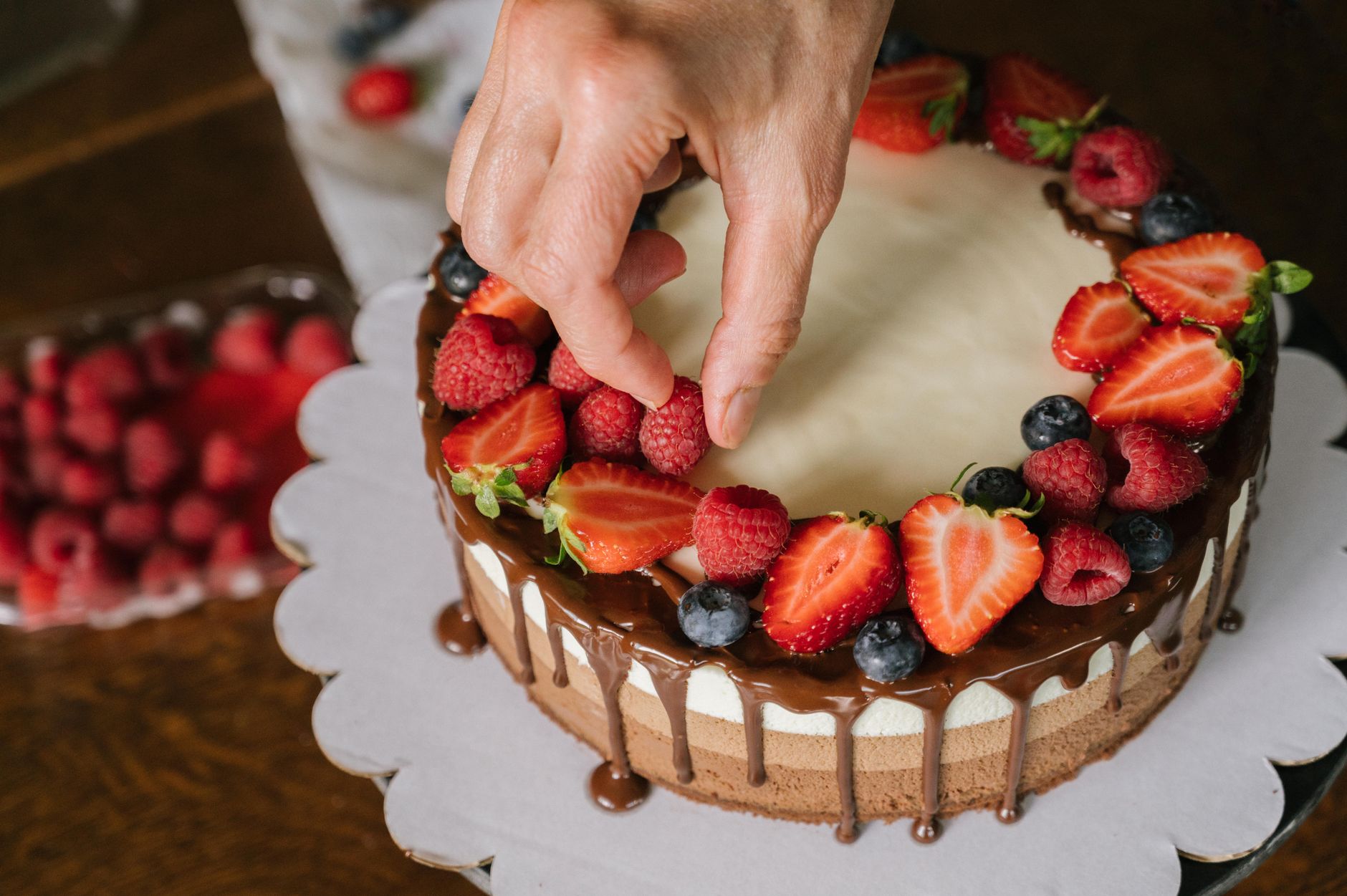
Frosting is a delightful topping that adds sweetness and character to cakes, cupcakes, and other desserts. However, like many food products, frosting has a limited shelf life and can go bad under certain conditions. Understanding how long frosting lasts and the signs of spoilage can help you make informed choices about storage and usage.
This article will explore whether frosting goes bad, provide information on its shelf life, storage methods, and the telltale signs of spoilage. Whether you are using store-bought or homemade frosting, this guide will help you ensure your sweet treats stay delicious and safe to consume.
Does Frosting Go Bad?
Yes, frosting can go bad. The lifespan of frosting depends on several factors, including its ingredients, how it was made, and how it is stored. Generally, frosting will remain fresh for a specific period after being prepared or opened, but it can develop off-flavors and textures or even harbor harmful bacteria if improperly stored.
Understanding Frosting Types
Frosting comes in many varieties, and each type has its unique properties that can affect its longevity. Here are some common types:
- Buttercream Frosting: A rich and creamy frosting made from butter, sugar, and sometimes milk. Buttercream is prone to spoilage due to the dairy content.
- Royal Icing: Made from egg whites and powdered sugar, this type of frosting is often used for decorative purposes. It has a longer shelf life due to the sugar content but can dry out.
- Cream Cheese Frosting: Combines cream cheese with butter and powdered sugar. This frosting requires refrigeration because cream cheese can spoil quickly.
- Whipped Cream Frosting: Light and fluffy, made from heavy cream and sugar. This frosting has a short shelf life and must be kept cool.
- Ganache: A mixture of chocolate and cream, ganache can be used as frosting or filling. Its longevity varies depending on the ingredients used.
Shelf Life of Frosting
The shelf life of frosting can vary depending on whether it is homemade, store-bought, or leftover. Here’s a breakdown of how long frosting typically lasts:
Store-Bought Frosting
Store-bought frosting usually contains preservatives that help extend its shelf life. If unopened, it can last for up to a year beyond the printed expiration date when stored in a cool, dry place. Once opened, it usually lasts:
- At Room Temperature: 1-2 weeks
- In the Refrigerator: 2-4 weeks
- In the Freezer: 2-3 months
Homemade Frosting
Homemade frosting typically doesn’t have preservatives, which means it has a shorter shelf life. Here’s how long you can expect homemade frosting to last:
- At Room Temperature: 3-5 days
- In the Refrigerator: 1-2 weeks
- In the Freezer: 2-3 months
How to Store Frosting
Proper storage is vital for extending the shelf life of frosting. Here are some effective storage methods:
Room Temperature
If you plan to use frosting within a few days, it can be stored at room temperature. Ensure it is covered tightly in an airtight container to prevent it from drying out or absorbing odors.
Refrigeration
For longer-term storage, place frosting in an airtight container and refrigerate it. This method is especially important for recipes using dairy ingredients, such as cream cheese or whipped cream frostings, to prevent spoilage.
Freezing
If you want to store frosting for several months, freezing is a great option. Follow these steps to freeze frosting:
- Place the frosting in an airtight, freezer-safe container.
- Leave some space at the top to allow for expansion as it freezes.
- Label the container with the date and type of frosting.
- Freeze for up to 3 months.
- When ready to use, thaw it in the refrigerator overnight and stir it to restore the texture before applying.
Signs of Spoilage in Frosting
Recognizing spoilage signs in frosting is crucial to ensuring you do not consume unsafe products. Here are some indicators that frosting has gone bad:
Visual Inspection
Check for any visible mold or unusual discoloration. If you notice any growth, it is best to discard the frosting.
Smell
Fresh frosting has a sweet, pleasant aroma. If it develops a sour or off smell, it’s a sign that bacteria may have started to grow, and you should dispose of it.
Texture Changes
Frosting should maintain a consistent, creamy texture. If it becomes gritty, lumpy, or separates, it is best to throw it away.
Flavors
Lastly, even if the frosting appears visually acceptable, a significant change in flavor to something sour or off is a clear sign it has spoiled and should not be consumed.
Tips for Making Your Frosting Last Longer
Here are some tips to maximize the shelf life of your frosting:
- Use Clean Utensils: Always use clean spoons or spatulas to scoop out frosting to prevent contamination.
- Airtight Containers: Store frosting in airtight containers to protect it from air, moisture, and other odors.
- Label Containers: Clearly label containers with the date and type of frosting to keep track of freshness.
- Keep Away from Heat: Avoid storing frosting near heat sources, as heat can promote spoilage.
Common Mistakes to Avoid
Here are some frequent errors made when storing or using frosting that can affect its quality:
- Not Refrigerating Cream-Based Frostings: Frosting made with cream cheese or heavy cream should always be refrigerated.
- Leaving Frosting Out Too Long: Frosting should not sit at room temperature for more than a couple of hours, especially in warm conditions.
- Freezing Frosting Without Proper Preparation: Always ensure that frosting is in an airtight container before freezing; otherwise, it may absorb odors or develop freezer burn.
Frosting Recipe Ideas
To utilize frosting effectively, consider trying out some delightful recipes. Here are two frosting recipes to get you started:
Easy Icing Recipe
This simple icing is perfect for drizzling over cookies or cakes.
- 2 cups powdered sugar
- 2-3 tablespoons milk
- 1 teaspoon vanilla extract
- Whisk together powdered sugar and milk until you reach your desired consistency.
- Add vanilla extract and mix until well combined.
- Use immediately or store in the refrigerator for up to one week.
German Chocolate Frosting Recipe
This rich chocolate frosting is an excellent topping for cakes.
- 1 cup granulated sugar
- 1 cup evaporated milk
- 1/2 cup butter
- 1 teaspoon vanilla extract
- 1 cup shredded coconut
- 1 cup chopped pecans
- In a saucepan, combine sugar, evaporated milk, and butter. Cook over medium heat, stirring constantly until it becomes thickened.
- Remove from heat and add vanilla extract, coconut, and pecans. Mix until well combined.
- Allow to cool before frosting your cake.
Conclusion
Understanding the storage methods and signs of spoilage for frosting is essential for preventing waste and ensuring food safety. By keeping track of the type of frosting you have and how it’s stored, you can enjoy your desserts without worry. Always remember to check for spoilage signs before use, and don’t hesitate to freeze extra frosting for future baking adventures.
For more delightful recipes, consider trying our easy icing recipe or our German chocolate frosting recipe. Happy baking!