
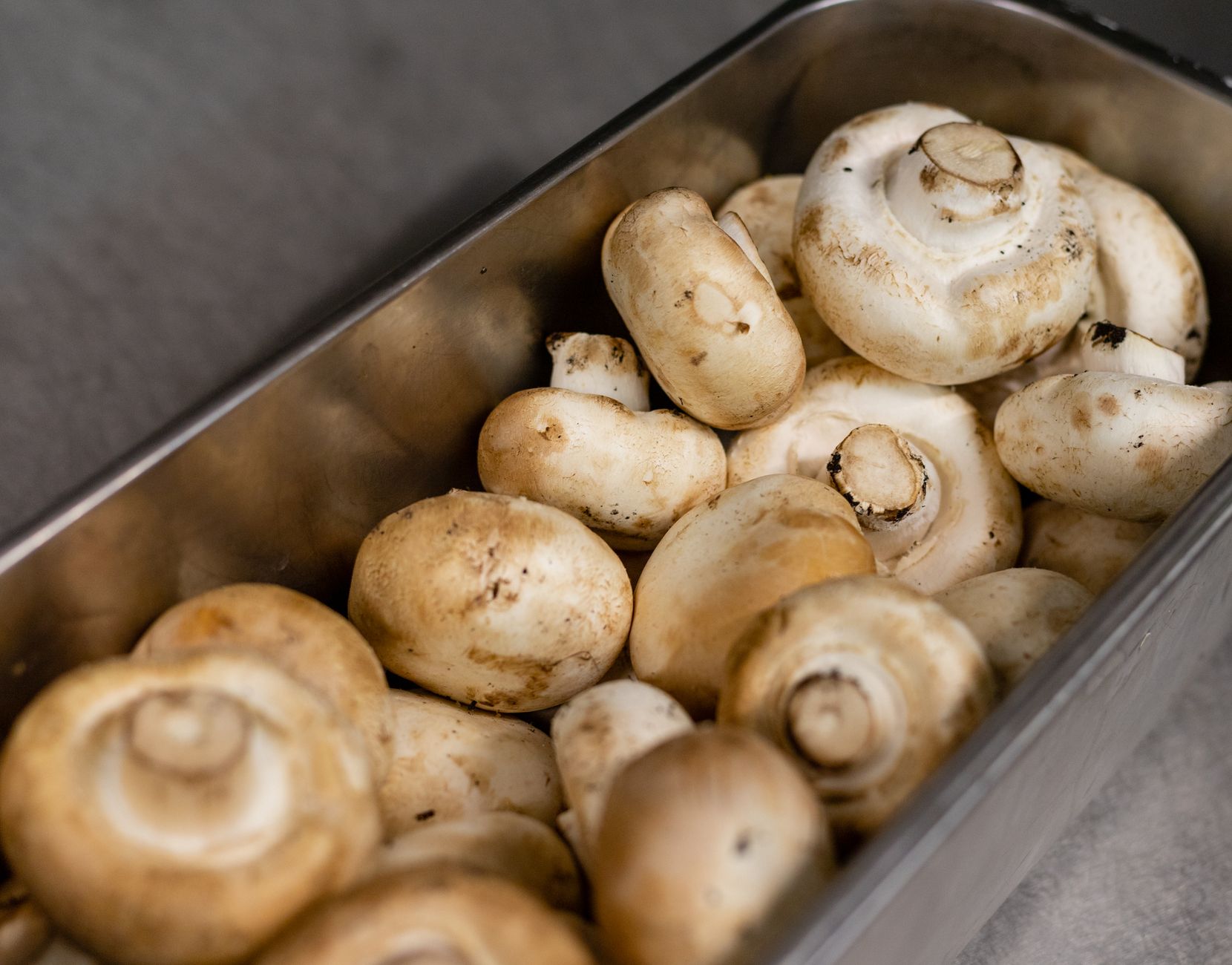
Mushrooms are a versatile ingredient, often celebrated for their umami flavor and various culinary applications. But beyond their flavor profile, they also offer nutritional benefits, including dietary fiber. Understanding how much fiber is in mushrooms can help you make more informed choices when cooking and meal planning.
This article delves into the fiber content of different types of mushrooms, their health benefits, how to incorporate them into your meals, and some practical tips for cooking with mushrooms.
How Much Fiber In Mushrooms?
Mushrooms contain varying amounts of fiber depending on the type. On average, a one-cup serving of raw mushrooms provides about 1 gram of dietary fiber. This fiber-rich profile supports digestive health and adds nutritional value to meals.
The Fiber Content of Different Mushroom Varieties
Here’s a breakdown of fiber contents in common mushroom varieties based on a one-cup serving:
- White Button Mushrooms: Approximately 1 gram of fiber.
- Cremini Mushrooms: Approximately 1.5 grams of fiber.
- Portobello Mushrooms: Approximately 2 grams of fiber when cooked.
- Shiitake Mushrooms: Approximately 2 grams of fiber.
- Oyster Mushrooms: Approximately 2.5 grams of fiber.
- Enoki Mushrooms: About 1 gram of fiber.
The differences in fiber content make certain types of mushrooms more advantageous depending on dietary needs or preferences. Consuming a variety of mushrooms can help maximize fiber intake while enjoying the distinct flavors they offer.
Understanding Dietary Fiber and Its Benefits
Dietary fiber is an essential component of a healthy diet. It is primarily found in plant-based foods and can be divided into two categories: soluble and insoluble fiber.
Soluble Fiber
Soluble fiber dissolves in water, forming a gel-like substance in the digestive tract. This type of fiber can help lower blood cholesterol and glucose levels. Foods rich in soluble fiber include oats, legumes, and certain fruits.
Insoluble Fiber
Insoluble fiber adds bulk to stool and aids in regularity by promoting digestive health. It is found in whole grains, nuts, seeds, and vegetables, including mushrooms.
Incorporating both types of fiber into your diet can promote overall health, aid digestion, maintain gut health, and help regulate blood sugar levels. The fiber found in mushrooms contributes to these benefits, making them a valuable addition to many meals.
Culinary Uses of Mushrooms
Mushrooms are incredibly versatile and can be used in various ways in the kitchen. Their unique textures and flavors allow them to enhance many dishes.
Stir-Fries and Sautés
Mushrooms can be sliced and added to stir-fries or sautés for added depth and texture. They pair well with vegetables, proteins, and sauces, making them a go-to ingredient for quick weeknight meals.
Soups and Stews
Mushrooms make a great base for soups and stews, providing a hearty flavor. They can be incorporated into broths or blended to create a creamy texture.
Salads
Fresh mushrooms, such as sliced cremini or button mushrooms, are a great addition to salads. Their earthy flavor complements greens and dressings, adding a delightful crunch.
Pasta and Risottos
Mushrooms can elevate pasta dishes and risottos by adding richness and umami. Try sautéing them with garlic and olive oil before mixing them into your favorite pasta or risotto.
Stuffed Mushrooms
Portobello or large button mushrooms can be stuffed with a variety of fillings, such as cheese, breadcrumbs, and herbs, then baked for a delicious appetizer or side dish.
Practical Cooking Tips for Using Mushrooms
To get the most out of mushrooms in your cooking, consider these practical tips:
Selecting Fresh Mushrooms
Choose mushrooms that are firm, plump, and free of dark spots or moisture. A fresh mushroom should have a slightly earthy smell. When in season, look for mushrooms that are locally sourced for added flavor and freshness.
Cleaning Mushrooms
Rinse mushrooms gently under cold water to remove dirt, or wipe them with a damp cloth. Avoid soaking them, as mushrooms can absorb too much water, affecting their texture when cooked.
Cooking Techniques
Mushrooms can be sautéed, grilled, roasted, or incorporated into stews; the cooking method will influence their texture and flavor. Sautéing mushrooms can caramelize their natural sugars, enhancing their umami taste.
For the best results, cook mushrooms at medium-high heat to achieve a nice sear and prevent them from becoming soggy.
Common Mistakes When Cooking With Mushrooms
To enjoy mushrooms at their best, avoid these common cooking missteps:
- Overcrowding the Pan: Cooking too many mushrooms at once can lead to steaming instead of browning. Make sure to spread them out in a single layer for even cooking.
- Ignoring Cooking Time: Mushrooms release moisture as they cook. Allow them to sear and brown before stirring or adding liquid.
- Inadequate Seasoning: Mushrooms can taste bland if not seasoned properly. Use salt, pepper, and other herbs and spices to amplify their flavors.
Storage Tips for Fresh Mushrooms
To keep mushrooms fresh and flavorful, proper storage is key. Follow these guidelines:
- Refrigeration: Store fresh mushrooms in a paper bag in the refrigerator. This helps maintain moisture while allowing them to breathe.
- Avoid Plastic Bags: Plastic can trap moisture and cause mushrooms to become slimy. Stick with paper or a breathable container.
- Check Regularly: Monitor your mushrooms for signs of spoilage, such as a darkened appearance or unpleasant odor, and discard as needed.
How to Incorporate More Fiber-Rich Foods into Your Diet
In addition to mushrooms, there are many ways to add fiber to your diet:
- Choose Whole Grains: Opt for whole grain products like brown rice, quinoa, and whole grain bread instead of refined grains.
- Incorporate Legumes: Include beans, lentils, and peas in soups, salads, and main dishes for additional fiber.
- Snack on Fruits and Vegetables: Fresh fruits and vegetables are excellent sources of fiber. Aim for whole, unprocessed options when snacking.
- Meal Prep: Prepare meals in advance with fiber-rich foods to ensure you stay on track with dietary goals.
Delicious Mushroom Recipes to Try
Now that you understand the fiber content and culinary versatility of mushrooms, here are two recipes featuring mushrooms that promise to delight your palate:
Enoki Mushroom Stir-Fry
This light and flavorful stir-fry highlights the delicate texture of enoki mushrooms while combining them with crisp vegetables.
- Ingredients:
- 200 grams enoki mushrooms, trimmed
- 1 cup broccoli florets
- 1 red bell pepper, sliced
- 2 cloves garlic, minced
- 1 tablespoon soy sauce
- 2 tablespoons olive oil
- Salt and pepper to taste
- In a large skillet or wok, heat the olive oil over medium-high heat.
- Add the minced garlic and sauté until fragrant, about 30 seconds.
- Add the broccoli and red bell pepper, stir-frying for 3-4 minutes until they start to soften.
- Gently toss in the enoki mushrooms and soy sauce, cooking for an additional 2-3 minutes. Season with salt and pepper.
- Remove from heat and serve warm over rice or noodles.
Fried Mushroom Appetizers
These crispy fried mushrooms make a fantastic appetizer or snack, perfect for sharing with friends and family.
- Ingredients:
- 500 grams button mushrooms, cleaned
- 1 cup all-purpose flour
- 1 cup breadcrumbs
- 2 eggs, beaten
- Salt and pepper to taste
- Oil for frying
- Set up a breading station with three bowls: one with flour seasoned with salt and pepper, one with beaten eggs, and one with breadcrumbs.
- Heat oil in a large pot over medium heat.
- Dip each mushroom in flour, then egg, and finally coat with breadcrumbs.
- Carefully place the breaded mushrooms into the hot oil and fry until golden brown, about 3-4 minutes.
- Remove with a slotted spoon and drain on paper towels before serving.
Conclusion
Understanding how much fiber is in mushrooms and how to use them effectively can enhance your culinary practices and support your health. With their low-calorie count and fiber benefits, mushrooms are not only fun to cook with but also complement a balanced diet.
Explore the delightful world of mushrooms and consider incorporating more mushroom recipes into your meal planning. For more delicious ideas, check out these Enoki Mushroom Recipe or try making some Fried Mushroom Appetizers.