
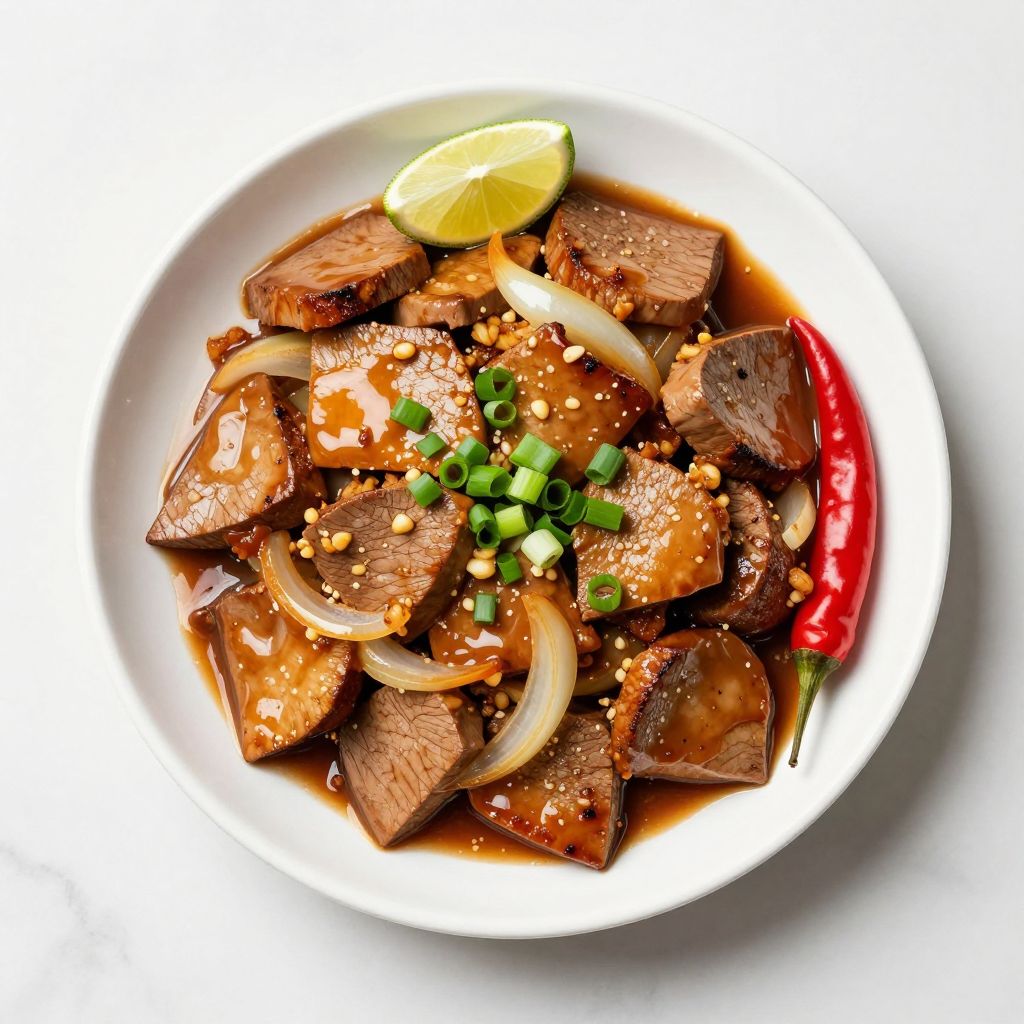
The smell of liver and offal sizzling in a hot pan, paired with soy sauce and vinegar, is unmistakable in Filipino kitchens. Igado is a rustic, deeply flavored dish that transforms humble organ meats into something surprisingly delicious and satisfying.
This recipe deserves a spot on your weeknight dinner table because it comes together in under 45 minutes and delivers restaurant-quality results at a fraction of the cost. The combination of tender, savory liver with sweet and tangy sauce makes it a beloved comfort food that generations of Filipino families have perfected.
What makes igado special is how the liver absorbs the sauce while remaining tender, and how the quick cooking method locks in moisture instead of drying things out. If you have never tried offal before, this is the perfect gateway dish that will change your perspective on nose-to-tail cooking.
Why You’ll Love This Recipe
Igado checks nearly every box for a practical, delicious home-cooked meal. Here is what makes it stand out:
- Budget-friendly: liver and pork heart cost just a few dollars per pound, making this one of the most affordable proteins you can buy.
- Quick preparation: the entire dish is ready in under 45 minutes from start to finish, perfect for busy weeknights.
- Tender and flavorful: the sauce keeps the meat moist while the soy, vinegar, and brown sugar create a balanced, umami-rich glaze.
- Versatile: pairs beautifully with rice, fits into meal prep containers, and works equally well for family dinners or potlucks.
- Teaches valuable technique: mastering igado improves your knife skills and shows you how to cook offal properly without fear.
My Experience Making This Recipe
The first time I made igado, I was nervous about handling liver, convinced it would turn rubbery or develop an unpleasant flavor. My Filipino neighbor assured me that high heat and quick cooking were the secrets, so I followed her guidance exactly.
What happened next surprised me: the kitchen smelled amazing, my family asked for seconds, and a neighbor who stopped by smelled the dish and asked for the recipe. The liver stayed tender, the sauce coated each piece perfectly, and I realized offal was not something to fear but to celebrate.
Now igado is a regular rotation in my house, and I have experimented with adding ginger, using different vinegars, and even swapping in beef heart. Every version has been delicious, but the classic recipe with pork liver and pork heart remains my favorite because of its balance and simplicity.
Recipe Overview
- Recipe Name: Igado
- Servings: 4
- Prep Time: 20 minutes
- Cook Time: 20 minutes
- Total Time: 40 minutes
- Course: Main Dish
- Cuisine: Filipino
- Calories per Serving: 320
Equipment You Will Need
- Sharp chef’s knife for butchering meat
- Cutting board
- Large skillet or wok
- Medium bowl for marinating
- Measuring spoons and cups
- Wooden spoon or spatula for stirring
- Paper towels for patting meat dry
Ingredients for Igado
- Pork liver, 1.5 pounds, cut into 1-inch cubes
- Pork heart, 8 ounces, cut into 1-inch cubes
- Onion, 1 large, sliced into thin wedges
- Garlic, 6 cloves, minced
- Soy sauce, 1/2 cup
- Calamansi juice or white vinegar, 3 tablespoons
- Brown sugar, 2 tablespoons
- Cooking oil, 3 tablespoons
- Water, 1/2 cup
- Salt and black pepper, to taste
- Red chili pepper, 1 whole (optional, for heat)
Ingredient Notes and Substitutions
- Pork liver: This is the star of igado, prized for its tender texture when cooked quickly over high heat. If pork liver is unavailable, chicken liver works but will require slightly shorter cooking time to avoid toughness.
- Pork heart: Heart adds textural variety and a slightly different flavor profile than liver alone. You can substitute beef heart or skip it entirely if you prefer, though the dish will be less complex.
- Calamansi juice: This Filipino citrus provides authentic tartness and brightness that white vinegar mimics well. Apple cider vinegar or rice vinegar also work if you need an alternative.
- Brown sugar: Brown sugar balances the saltiness and acidity, creating a sweet-savory sauce. Regular white sugar works identically with no textural or flavor loss.
- Soy sauce: Use regular soy sauce for a balanced saltiness. Do not swap for tamari or low-sodium versions without tasting as they alter the sauce intensity.
How to Make Igado
Step 1: Prepare and Pat Dry the Meat
Remove the liver and heart from packaging and place on a cutting board lined with paper towels. Pat both meats completely dry with fresh paper towels, as moisture prevents proper browning and creates steam that toughens the meat.
Step 2: Cut the Meat Into Uniform Pieces
Cut the liver into 1-inch cubes, working quickly to keep the meat cold and intact. Cut the heart into similarly sized pieces so everything cooks at the same rate and creates a cohesive dish.
Step 3: Prep the Aromatics
Slice the onion into thin wedges by cutting the onion in half lengthwise, then slicing each half into quarter-inch-wide pieces. Mince the garlic finely so it cooks quickly and distributes its flavor evenly throughout the dish.
Step 4: Heat the Oil and Sear the Meat
Heat the cooking oil in a large skillet over high heat until it shimmers and just begins to smoke, about 2 minutes. Working in two batches if necessary, add the liver and heart pieces in a single layer and cook without stirring for 3 minutes until they develop a golden crust on one side.
High heat creates a flavorful crust through the Maillard reaction while keeping the interior tender. Resist the urge to stir too early, as this prevents browning and releases moisture.
Step 5: Stir and Cook Until Browned on All Sides
Stir the meat and cook for another 2 to 3 minutes, allowing the pieces to brown on additional sides. The meat does not need to be fully cooked through at this point since the sauce will finish the cooking process gently.
Step 6: Add Garlic and Onion
Add the minced garlic and stir constantly for 30 seconds until fragrant. Add the sliced onion and cook for 2 minutes, stirring occasionally, until the onion begins to soften slightly and becomes translucent at the edges.
Cooking garlic first for just 30 seconds prevents it from burning while still building flavor. Adding onion immediately after keeps it from scorching.
Step 7: Pour In the Sauce and Liquid
Add the soy sauce, calamansi juice or vinegar, brown sugar, and water all at once. Stir well to combine, scraping up any browned bits stuck to the bottom of the pan, as these bits are pure flavor.
Step 8: Simmer Until the Sauce Thickens
Reduce the heat to medium and simmer uncovered for 10 to 12 minutes, stirring occasionally. The sauce will reduce and thicken slightly, coating the meat and onions in a glossy, caramelized glaze.
The liver continues cooking gently in the sauce, becoming completely tender without overcooking. The sauce reduces, which concentrates flavors and creates a silky coating.
Step 9: Taste and Adjust Seasoning
Taste a piece of liver and a spoonful of sauce together. Add salt, pepper, or additional soy sauce if needed, though the sauce is usually perfectly seasoned by this point.
Pro Tip: Do not skip patting the meat dry before searing; this single step is what separates tender, caramelized igado from rubbery, pale results.
Tips for the Best Igado
- Buy liver from a trusted butcher and ask them to remove any greenish spots or bile ducts, which taste bitter and are unpleasant to bite into unexpectedly.
- Keep your knife sharp when cutting offal; dull blades crush the tissue and make the meat appear to leak more than it actually does.
- Do not crowd the pan during searing; work in batches if necessary so steam can escape and browning can happen properly.
- Taste the meat early and adjust sauce seasoning before it reduces fully, as salt concentrates as liquid evaporates and can become too intense.
- Serve igado immediately over hot rice while the sauce still coats the meat; it dries out slightly as it sits, though it reheats beautifully.
- If your sauce seems too thin after 12 minutes, increase the heat slightly to accelerate evaporation for the last 2 to 3 minutes of cooking.
Common Mistakes to Avoid
- Cutting the meat into pieces that are too large or too small: pieces larger than 1.5 inches stay undercooked in the center, while pieces smaller than three-quarters inch overcook and become tough.
- Cooking on medium heat instead of high heat initially: low heat causes the liver to steam and become gray and rubbery instead of developing a golden crust and staying pink and tender inside.
- Skipping the pat-dry step: wet meat cannot brown properly and instead releases steam, creating a boiled rather than seared dish.
- Adding the sauce before the meat browns: adding liquid early prevents the Maillard reaction and loses the depth of flavor that browning creates.
- Overcooking the liver: cooked beyond a faint blush of pink, liver becomes hard and grainy; 15 to 20 minutes total cooking time is the target.
Serving Suggestions
Igado shines when served with steamed jasmine rice or garlic fried rice, where the rice soaks up every drop of the savory sauce. The rich, umami-forward flavors pair beautifully with fresh, bright sides that cut through the richness.
- Serve over hot steamed white rice to soak up the glossy sauce.
- Pair with a simple green papaya salad or cucumber salad for refreshing contrast.
- Add a side of sauteed spinach or bok choy for vegetables and color.
- Top with fresh scallions and a squeeze of calamansi or lime for brightness.
- Serve with a cold glass of iced tea or a light lager beer to balance the richness.
Variations to Try
- Ginger Igado: Add 1 tablespoon of minced fresh ginger with the garlic for a warming spice and subtle heat that rounds out the sauce beautifully.
- Spicy Igado: Add one to two whole Thai bird chilis or a pinch of cayenne pepper to the sauce for heat that builds gradually without overwhelming the delicate liver flavor.
- Beef Igado: Substitute beef heart and beef liver for pork; beef requires 2 to 3 extra minutes of cooking time but delivers a deeper, richer flavor profile.
- Chicken Liver Igado: Use all chicken liver instead of pork, reducing cooking time by 5 minutes; the result is more delicate and milder in flavor but equally delicious.
- Vegetable-Forward Igado: Add 1 cup of diced bell peppers or mushrooms to the onions; they absorb the sauce and add textural variety while stretching the recipe to serve 5 to 6 people.
Dietary Adaptations
- Gluten-Free: All standard ingredients in igado are naturally gluten-free; verify that your soy sauce is tamari or certified gluten-free to avoid hidden gluten.
- Dairy-Free: Igado contains no dairy, making it naturally dairy-free and suitable for those with lactose intolerance or dairy allergies.
- Vegan or Vegetarian: Replace the liver and heart with extra-firm tofu, mushrooms, or tempeh, increasing the initial searing time by 2 to 3 minutes; the sauce works beautifully with plant-based proteins.
- Low-Carb or Keto: Serve igado over cauliflower rice instead of regular rice; reduce the brown sugar to 1 tablespoon, which lowers carbs slightly while maintaining the sweet-savory balance.
Storage and Reheating
Refrigerator
Allow igado to cool completely before transferring to an airtight container. Properly stored, igado keeps for 3 to 4 days and actually tastes better on day two as the flavors deepen.
- Store in glass or plastic containers with tight-fitting lids to prevent odor transfer in the refrigerator.
- Keep meat and sauce together for the best moisture retention.
Freezer
Igado freezes excellently for up to 2 months when stored in freezer-safe containers or heavy-duty freezer bags. Freeze in individual portions for easy weeknight reheating.
- Remove as much air as possible from freezer bags to prevent freezer burn.
- Label containers with the date so you remember when the dish was frozen.
Reheating
Reheat gently over medium heat on the stovetop, adding a splash of water or broth if the sauce has thickened too much. Microwave reheating works but can make the liver texture slightly rubbery, so stovetop is preferred.
- Reheat on the stovetop in a covered skillet over medium heat for 8 to 10 minutes for the best texture.
- Avoid boiling, which toughens the meat; gentle heat preserves tenderness.
- Add water by the tablespoon if the sauce needs thinning after thawing.
Nutrition Information
| Nutrient | Amount |
|---|---|
| Calories | 320 |
| Total Fat | 14 g |
| Saturated Fat | 4 g |
| Carbohydrates | 9 g |
| Fiber | 1 g |
| Sugar | 5 g |
| Protein | 42 g |
| Sodium | 890 mg |
| Cholesterol | 340 mg |
The nutrition information above is calculated based on the standard recipe ingredients and does not account for variations or optional additions like chili peppers. Keep in mind that actual nutrition varies depending on specific brands used and cooking methods employed.
Frequently Asked Questions
Can I use beef liver instead of pork liver?
Yes, beef liver works perfectly in this recipe and delivers a deeper, more robust flavor. Beef liver is slightly thicker than pork liver, so cut it into slightly smaller pieces (three-quarters inch instead of 1 inch) to ensure even cooking.
Why is my liver tough and rubbery?
Tough liver results from overcooking or cooking at too low a temperature. High heat for a short time keeps the liver tender and pink inside; aim for 15 to 20 minutes total cooking time and watch the color closely as it cooks.
Can I make igado ahead of time for a dinner party?
Absolutely, igado actually improves if made 1 day ahead and refrigerated. Reheat gently on the stovetop over medium heat for 10 minutes, adding a splash of water if the sauce has thickened too much.
What is calamansi juice and where do I find it?
Calamansi is a small, sour Filipino citrus fruit that bottled juice is sold in most Asian markets and online. White vinegar, apple cider vinegar, or lime juice work as substitutes if you cannot find calamansi juice, though the flavor profile will shift slightly.
Is igado a Filipino dish and what is its cultural significance?
Yes, igado is a beloved Filipino comfort food that appears on tables throughout the Philippines and Filipino diaspora communities. The dish reflects the Filipino tradition of nose-to-tail eating and making delicious meals from affordable, humble ingredients.
Can I make igado without the pork heart?
Yes, you can use all liver if pork heart is unavailable or if you prefer not to use it. The dish will be slightly less complex in flavor and texture, but the sauce and cooking method remain unchanged.
Final Thoughts
Making igado at home opens your eyes to the joy of cooking with ingredients that are often overlooked or feared. Once you taste tender liver coated in a savory, slightly sweet sauce, you will understand why Filipino families keep this dish in their regular rotation and why it deserves a place on your table too.
Start with the classic recipe exactly as written, master the technique of high-heat searing and gentle sauce reduction, then experiment with ginger, heat, or different proteins. Either way, igado is a dish that proves simple ingredients and proper technique create magic on the plate.
If you loved learning how to make igado, explore more Filipino comfort food traditions in your kitchen. Try a classic gyudon recipe for another rice bowl hero, or discover hearty homemade chicken and biscuits recipe for a different take on affordable, satisfying home cooking.
Igado
Ingredients
Equipment
Method
- Pat the pork liver and heart dry with paper towels to remove all moisture.
- Cut the liver and heart into 1-inch cubes and set aside.
- Slice the onion into thin wedges and mince the garlic.
- Heat cooking oil in a large skillet or wok over high heat until shimmering, about 2 minutes.
- Add the liver and heart in a single layer and sear without stirring for 3 minutes to develop a golden crust.
- Stir the meat and cook for an additional 2 to 3 minutes until browned on all sides.
- Add minced garlic and stir for 30 seconds until fragrant, then add sliced onion and cook for 2 minutes until slightly softened.
- Pour in soy sauce, calamansi juice or vinegar, brown sugar, and water; stir to combine, scraping up browned bits.
- Reduce heat to medium and simmer uncovered for 10 to 12 minutes, stirring occasionally, until the sauce thickens and coats the meat.
- Taste and adjust seasoning with salt, pepper, or extra soy sauce as needed before serving.