
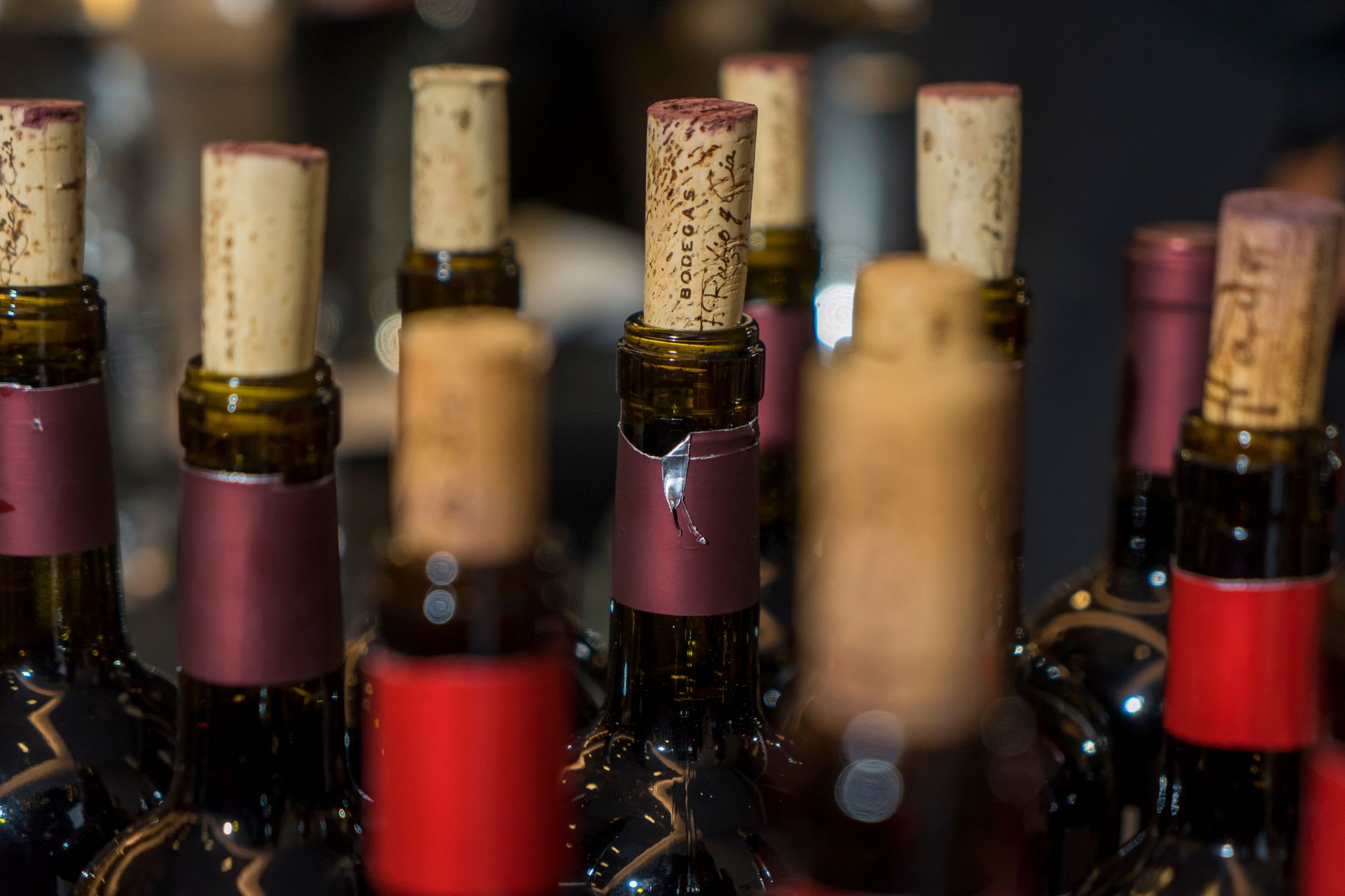
Corked wine is a term that raises concern among wine lovers and casual drinkers alike. When referring to corked wine, it indicates a bottle of wine that has been tainted due to a faulty cork, often leading to undesirable flavors and aromas. Understanding this phenomenon is essential to ensure an enjoyable drinking experience.
In this article, we will explore what corked wine is, how it affects flavor, and practical tips on how to serve wine to avoid disappointment. Equipped with this knowledge, you will be better prepared to identify and enjoy great wine.
What Is Corked Wine?
Corked wine specifically refers to the wine that has been contaminated by TCA (2,4,6-trichloroanisole), a compound that can develop when natural cork is improperly treated. This defect can lead to a range of undesirable flavors, often described as musty, moldy, or reminiscent of wet cardboard. While the cork itself is made from the bark of the cork oak tree, TCA can occur during the cork production process or due to improper storage conditions.
Identifying Corked Wine
It’s essential to recognize the characteristics of corked wine to avoid a spoiled drinking experience. Here are key indicators:
- Odor: The most apparent sign of corked wine is the smell. If you detect a damp, musty scent akin to a wet dog or moldy basement, it’s likely corked.
- Taste: Corked wine may have a flat and lifeless taste, lacking the vibrant flavors typical of that variety. Instead of fruity or floral notes, a corked wine often tastes dull and off-putting.
- Aroma: Corked wines typically don’t present the usual aromas expected from the grape variety. Instead of pleasant notes, they may smell like damp cardboard or rotten vegetables.
- Appearance: While not always clear, a cork that has crumbled, shows excessive leakage, or has a discolored appearance may also lead to corked wine.
How Cork Affects Wine
The cork plays a critical role in the aging process and preservation of wine. It serves as a seal, preventing oxidation and allowing small amounts of oxygen to interact with the wine, which is essential for developing aromas and flavors over time. However, when a cork goes bad due to contamination or improper closure, it can lead to various problems:
The Role of Cork in Wine Preservation
Wine corks allow for micro-oxygenation, a process that can impart desirable characteristics to the wine. This controlled exposure to oxygen helps to soften tannins, develop complexity, and maintain freshness. When the cork is tainted, this careful balance is compromised, negatively affecting the wine’s maturation process.
TCA Contamination
TCA contamination occurs when TCA compounds are introduced during the cork production or storage processes. Factors such as the use of certain pesticides on cork oak trees, improper storage conditions, or chemical exposure can lead to the formation of TCA. Once a wine is affected by TCA, there is no remedy—it’s spoiled.
How to Serve Wine to Avoid Corked Wine
While it’s impossible to completely eliminate the risk of corked wine, certain practices can help minimize the chances. Here are some steps to consider when serving wine:
Choosing the Right Wine
- Purchase bottles from reputable retailers and producers who prioritize quality.
- When buying wine, opt for alternatives to natural cork, such as synthetic corks or screw tops, which can prevent contamination.
Proper Storage Practices
Wine storage conditions can significantly influence its quality. To prevent cork degradation and TCA contamination:
- Store wine bottles horizontally to keep the cork moist and prevent air exposure.
- Maintain consistent temperature and humidity levels. Ideal conditions are around 55°F (13°C) with 60-70% humidity.
- Avoid exposure to direct sunlight and strong odors, which can impact wine quality.
Opening the Bottle
When it comes time to open the wine, it’s essential to handle the bottle properly:
- Use a clean, sharp corkscrew to minimize the risk of cork breakage.
- If you notice that the cork is crumbly or appears to be disintegrating, proceed with caution, as it may indicate cork taint.
Conducting a Taste Test
After pouring, take the time to assess the wine:
- Swirl the wine in the glass to allow it to breathe, and take a moment to observe the aromas.
- Smell the wine first; if it has any musty or off odors, it’s likely corked.
- Take a sip and assess the flavors. A flawed wine will lack depth and character.
Common Mistakes When Handling Wine
Even seasoned wine enthusiasts can make errors that compromise their wine experience. Here are some common mistakes to avoid:
- No Airflow: Failing to allow wine to breathe before serving can lead to muted aromas and flavors.
- Improper Glassware: Using the wrong type of glass can restrict the wine’s aromas. Invest in a good set of wine glasses that suit different wine styles.
- Poor Temperature Control: Serving wine at room temperature or too cold can mask its flavors. Ideally, red wines should be served at around 60–65°F (15–18°C) and whites at 45–50°F (7–10°C).
What to Do If You Encounter Corked Wine
Encountering corked wine can be frustrating. Here are steps to take if you discover that your bottle is spoiled:
- First, do not feel obligated to drink it. If the wine is corked, it significantly detracts from the experience.
- Politely inform the server or seller if you are at a restaurant or wine shop, as they may offer you a replacement.
- Learn from the experience. If you suspect a wine is corked, consider keeping a tasting notebook to record the details for future reference.
Final Thoughts on Corked Wine
Corked wine can pose challenges for consumers, but understanding the causes and how to handle it can enhance your wine-drinking experience. Always take care when storing, opening, and tasting your wine, and remain aware of the signs of cork taint.
Now that you have a better understanding of corked wine, you can approach your wine selections with confidence. When in doubt, trust your senses and never hesitate to reject a tainted bottle.
Continue exploring more about wines and beverages, and consider broadening your culinary adventures with related food guides and cooking tips.