
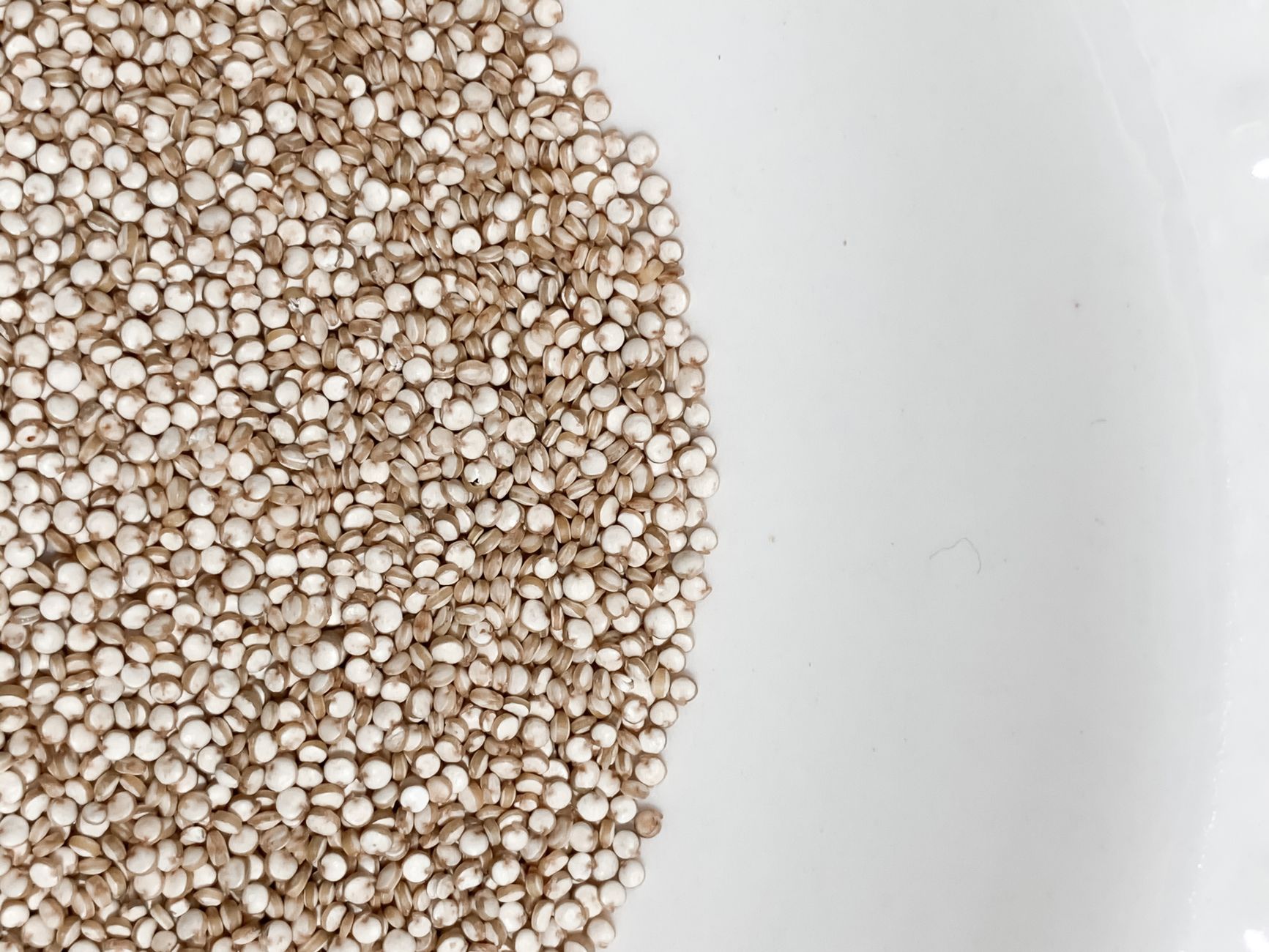
Quinoa, often hailed as a superfood, has become a staple in the diets of health-conscious eaters around the world. This ancient grain is not only versatile in the kitchen but is also packed with nutrients, particularly protein. Understanding how much protein is in quinoa can inform your meal choices and help with overall dietary planning.
In the following sections, we will delve into the protein content of quinoa, its nutritional benefits, cooking methods, and tips for incorporating it into your meals. Whether you’re vegetarian, vegan, or just aiming to boost your protein intake, quinoa is a fantastic option.
How Much Protein Is In Quinoa?
Quinoa contains approximately 8 grams of protein per cooked cup (about 185 grams). This makes it a complete protein source, meaning it provides all nine essential amino acids that your body cannot produce on its own. This feature sets quinoa apart from many other grains, which often lack one or more essential amino acids.
Nutritional Profile of Quinoa
Beyond its protein content, quinoa is rich in various nutrients that contribute to a balanced diet. Here’s an overview of what you get in a 1-cup serving of cooked quinoa:
- Calories: 222 kcal
- Protein: 8 g
- Fat: 4 g
- Carbohydrates: 39 g
- Fiber: 5 g
- Iron: 15% of the Recommended Daily Value (RDV)
- Magnesium: 30% of the RDV
- Phosphorus: 28% of the RDV
- Manganese: 58% of the RDV
- B Vitamins
This diverse nutrient profile not only supports muscle growth and repair but also aids in overall health and wellness.
Protein Quality in Quinoa
The quality of protein in quinoa is noteworthy due to its complete amino acid profile. Most plant-based proteins lack one or more essential amino acids, but quinoa provides them all, making it a valuable protein source, especially for vegetarians and vegans. The amino acids found in quinoa contribute to muscle synthesis, immune function, and the production of hormones and enzymes.
How to Cook Quinoa
Cooking quinoa is relatively straightforward, but there are some steps to ensure the best texture and flavor. Here’s a basic cooking guide:
Ingredients
- 1 cup quinoa (rinsed)
- 2 cups water or vegetable broth
- Optional: Salt, herbs, or spices for flavor
Essential Equipment
- Medium saucepan with lid
- Measuring cups
- Fine mesh strainer
Cooking Method
- Rinse the quinoa under cold water using a fine mesh strainer to remove its natural coating, called saponin, which can taste bitter.
- In a medium saucepan, add the rinsed quinoa and 2 cups of water or broth. You can also add a pinch of salt or any herbs or spices for added flavor.
- Bring the mixture to a boil over medium-high heat.
- Once it reaches a boil, reduce the heat to low, cover the saucepan, and let it simmer for about 15 minutes or until all the liquid is absorbed.
- Remove from heat and let it sit, covered, for another 5 minutes to allow it to steam.
- Fluff the quinoa with a fork before serving.
Practical Tips for Cooking Quinoa
Here are some tips to enhance your quinoa cooking experience:
- Always rinse your quinoa before cooking to eliminate bitterness.
- For added flavor, toast the quinoa in a dry pan for a few minutes before adding water or broth.
- Use vegetable or chicken broth instead of water for a richer taste.
- Experiment with cooking different grains together—quinoa pairs well with farro or bulgur wheat.
Adding Quinoa to Your Meals
Incorporating quinoa into your meals is easy due to its versatility. Here are various ways you can serve quinoa:
Breakfast
- Make a hearty breakfast bowl by mixing cooked quinoa with almond milk, fruits, nuts, and a drizzle of honey.
- Add quinoa to smoothies for an extra protein boost.
Lunch
- Use quinoa as a base for salads, topping with vegetables, nuts, and a protein source like chickpeas or grilled chicken.
- Incorporate quinoa into wraps or include it in vegetable stir-fries.
Dinner
- Substitute rice or couscous for quinoa in soups or side dishes.
- Create a quinoa-stuffed bell pepper with sauce and cheese topping.
Snacks
- Mix quinoa with spices to make crispy quinoa chips in the oven.
- Incorporate it into energy bites alongside nut butter and dried fruits.
Protein Content Comparison: Quinoa and Other Foods
Understanding how quinoa’s protein content stacks up against other food sources can help you plan meals more effectively. Below is a comparison of protein content in various foods:
| Food Item | Protein (per 100g) |
|---|---|
| Quinoa (cooked) | 4.1 g |
| Chicken breast (cooked) | 31 g |
| Tofu (firm) | 8 g |
| Lentils (cooked) | 9 g |
| Brown rice (cooked) | 2.6 g |
While quinoa may not have the highest protein per gram compared to animal sources, its complete amino acid profile and plant-based benefits make it unique.
Common Mistakes When Cooking Quinoa
To make the most of your quinoa experience, be aware of these common mistakes:
- Not rinsing quinoa: This can lead to a bitter taste.
- Using too much or too little water: Follow the 1:2 ratio (quinoa to water) for best results.
- Overcooking: Keep an eye on cooking time to prevent mushy quinoa. It should be fluffy when done.
Storing Quinoa
Proper storage is essential for maintaining the quality and extending the shelf life of quinoa:
Dry Quinoa
- Store uncooked quinoa in an airtight container in a cool, dry place. It can last for 3 to 5 years.
Cooked Quinoa
- Refrigerate cooked quinoa in a sealed container for up to one week.
- Freezing cooked quinoa is an option as well; it can be stored for about 8 months. Thaw in the refrigerator before reheating.
Quinoa: A Great Dietary Choice
Quinoa is a nourishing addition to any diet, not just for its protein content but also for its overall health benefits. It’s naturally gluten-free, rich in fiber, and loaded with vitamins and minerals.
For anyone looking to adapt their diet towards greater health, quinoa is a delicious and satisfying choice that can easily enhance your meals and snacks.
In summary, quinoa holds a significant place in the realm of plant-based proteins with about 8 grams of protein per cup. Whether you’re looking for a protein boost, an alternative to rice, or a fiber-rich side dish, quinoa is both practical and nutritious.
Explore how to enhance your meals by checking out these delicious protein-rich treats: Protein Brownies and Protein Cookies.