
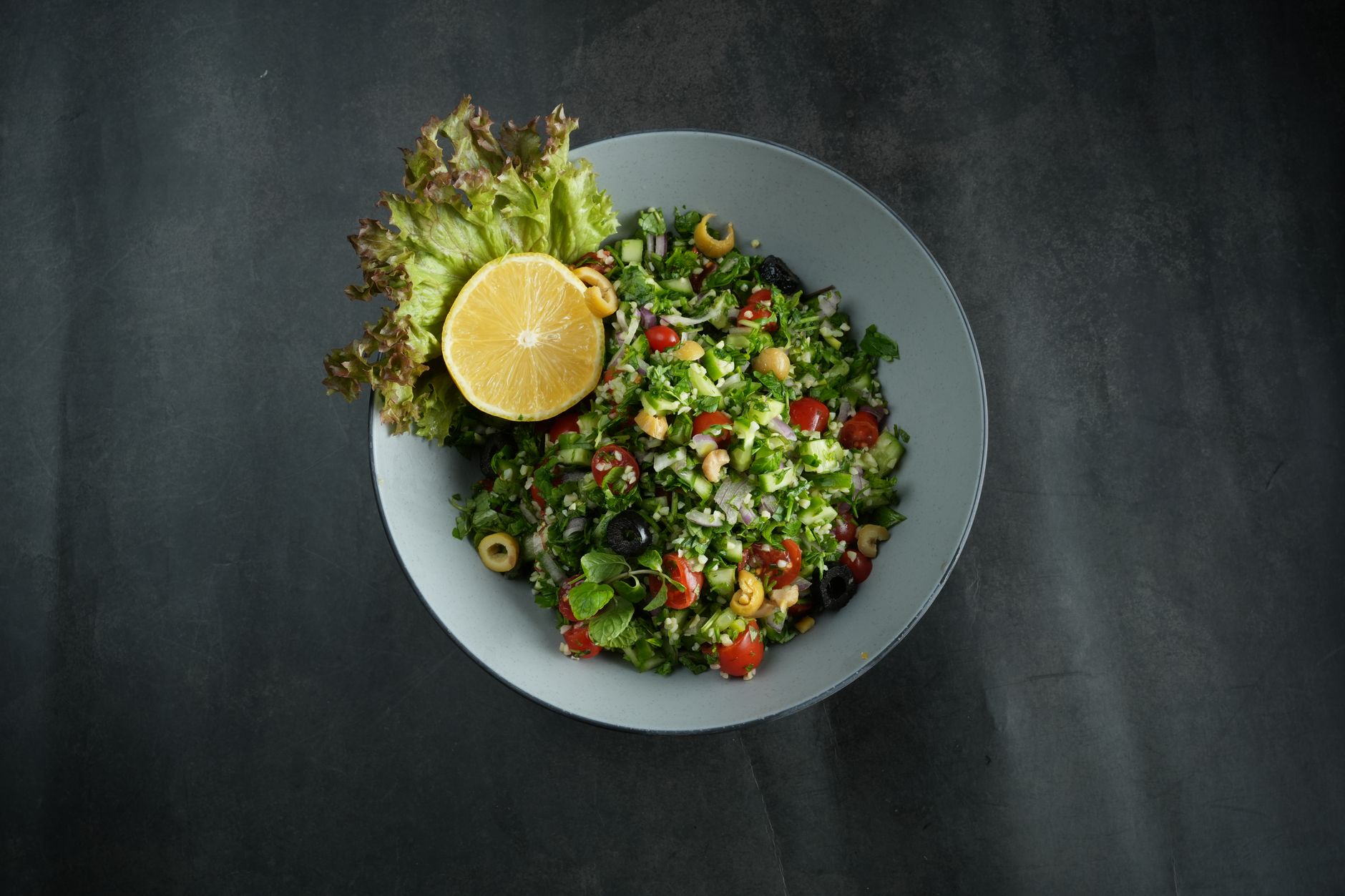
Tabbouleh salad is a vibrant, herbaceous dish originating from the Levant, particularly Lebanon and Syria. Traditionally served as a mezze, it is known for its fresh flavors, light texture, and nutritional benefits. This dish highlights parsley as its star ingredient, complemented by bulgur, fresh vegetables, and a zesty dressing.
This article delves into the taste, texture, kitchen uses, and variations of tabbouleh salad, providing insight into how to prepare it and enjoy its refreshing qualities.
What Is Tabbouleh Salad?
Tabbouleh salad is a Middle Eastern dish made primarily from finely chopped parsley, bulgur wheat, tomatoes, mint, and onion, dressed with lemon juice and olive oil. The salad is celebrated for its freshness and is often served chilled or at room temperature, making it a perfect accompaniment to grilled meats, pita bread, or as a stand-alone dish for a light meal.
Flavor Profile of Tabbouleh Salad
Tabbouleh is characterized by its bright, zesty flavor profile. The main ingredient, parsley, provides a fresh and slightly peppery taste. The addition of mint lends a coolness, while ripe tomatoes add sweetness and acidity. The dressing, made from olive oil and lemon juice, enhances these flavors, creating a harmonious balance of brightness and earthiness.
Texture of Tabbouleh Salad
The texture of tabbouleh salad is a delightful combination of crunch and chewiness. The finely chopped parsley and vegetables provide a fresh crunch, while the bulgur adds a soft, chewy quality. This contrast creates an enjoyable mouthfeel that makes the dish both refreshing and satisfying.
Ingredients of Tabbouleh Salad
To make a classic tabbouleh salad, you will need the following ingredients:
- 1 cup bulgur wheat
- 2 cups fresh parsley, finely chopped
- 1/2 cup fresh mint leaves, finely chopped
- 2 medium tomatoes, diced
- 1 small onion or 2 green onions, finely chopped
- 1/4 cup fresh lemon juice
- 1/2 cup olive oil
- Salt, to taste
- Pepper, to taste
Essential Equipment
To prepare tabbouleh salad, you will need the following kitchen tools:
- Mixing bowl
- Chopping board
- Sharp knife
- Measuring cups and spoons
- Colander for draining bulgur (if needed)
How to Prepare Tabbouleh Salad
Follow these steps to prepare a refreshing tabbouleh salad:
- Prepare the bulgur: Place the bulgur wheat in a bowl and cover it with lukewarm water. Let it soak for about 30 minutes, or until it is soft and fluffy. Drain any excess water using a colander.
- Chop the vegetables: Finely chop the parsley, mint, tomatoes, and onion. Make sure the herbs are chopped small enough to ensure even distribution throughout the salad.
- Combine ingredients: In a large mixing bowl, combine the soaked bulgur, chopped parsley, mint, tomatoes, and onion.
- Make the dressing: In a separate small bowl, whisk together the lemon juice, olive oil, salt, and pepper.
- Dress the salad: Pour the dressing over the salad ingredients and mix well to combine.
- Chill and serve: Cover the salad with plastic wrap and refrigerate for at least 30 minutes before serving to allow the flavors to meld.
Practical Tips for Making Tabbouleh Salad
Here are some practical tips to enhance your tabbouleh-making experience:
- Use fresh herbs to ensure vibrant flavor. Old or wilted herbs can negatively affect the taste of your salad.
- Adjust the ratio of bulgur to parsley to suit your preference. For a less carb-heavy option, use more parsley and less bulgur.
- Letting the salad chill not only allows flavors to develop but also can improve the overall texture.
- Consider adding diced cucumber for extra crunch and hydration.
Practical Substitutions
If you need to make adjustments to your tabbouleh salad, consider the following substitutions:
- Bulgur wheat: Quinoa or couscous can be used for a gluten-free version. Quinoa offers a similar chewy texture.
- Onion: Green onions can be used instead of white or red onion for a milder flavor.
- Lemon juice: Lime juice can be a suitable substitute, providing a different zing.
- Olive oil: Other oils like avocados or sesame oil can be used, but they may alter the salad’s flavor.
Common Mistakes and Troubleshooting
While making tabbouleh salad can be straightforward, here are some common mistakes and how to avoid them:
- Over-soaking bulgur: If you soak the bulgur too long, it may become mushy. Aim for a soaking time of 30 minutes to an hour, depending on the coarseness.
- Too much bulgur: If your salad is more bulgur than parsley, it may lack the intended freshness. Remember, the parsley should be the star ingredient, not the grain.
- Inadequate seasoning: Ensure to season adequately with salt and pepper. Taste the salad before serving and adjust accordingly.
Serving Suggestions
Tabbouleh salad is quite versatile and can be served in various ways:
- As a side dish to grilled meats, such as lamb or chicken.
- Alongside pita bread, hummus, or baba ghanoush for a healthy mezze platter.
- On top of a bed of lettuce as a light main course.
- Stuffed in wraps or sandwiches with falafel or other proteins.
Storage and Make-Ahead Guidance
Tabbouleh salad is best served fresh, but it can be made ahead of time. Here are some tips for storage:
- Store tabbouleh in an airtight container in the refrigerator for up to three days. The flavors will continue to develop and meld, making it even tastier.
- To preserve the texture of the salad, you may want to add tomatoes just before serving, as they can release moisture over time.
- If necessary, give the salad a good mix and taste again before serving, adjusting salt, pepper, and lemon juice if needed.
Variations of Tabbouleh Salad
There are many creative ways to enjoy tabbouleh salad. Here are a few variations:
- Quinoa Tabbouleh: Replace bulgur with cooked quinoa for a gluten-free alternative.
- Beet Tabbouleh: Add roasted or pickled beets for a vibrant color and earthy flavor.
- Fruit-Infused Tabbouleh: Add diced fruits like pomegranate seeds or diced mango for a sweet twist.
- Spicy Tabbouleh: Incorporate diced jalapeños or a pinch of chili flakes for a bit of heat.
Health Benefits of Tabbouleh Salad
Tabbouleh salad is not only delicious but also packed with health benefits. Here are some nutritional highlights:
- Rich in vitamins: The parsley and mint are excellent sources of vitamins A, C, and K.
- High in fiber: Bulgur is a whole grain, providing a good amount of dietary fiber that aids digestion.
- Low in calories: With plenty of vegetables and no heavy dressings, tabbouleh remains a low-calorie food choice.
- Hydration: The fresh vegetables in tabbouleh contribute to hydration, making it a perfect dish for warm weather.
Conclusion
Tabbouleh salad is a delicious and versatile dish that can be enjoyed in numerous ways. With its bright flavors, refreshing texture, and nutritious ingredients, it’s an ideal addition to any meal. Whether you follow the classic recipe or explore your variations, tabbouleh can enhance your dining experience.
For more recipes and cooking tips, explore our guides on Thai Cucumber Salad or learn how to make Hummus Without Tahini.