
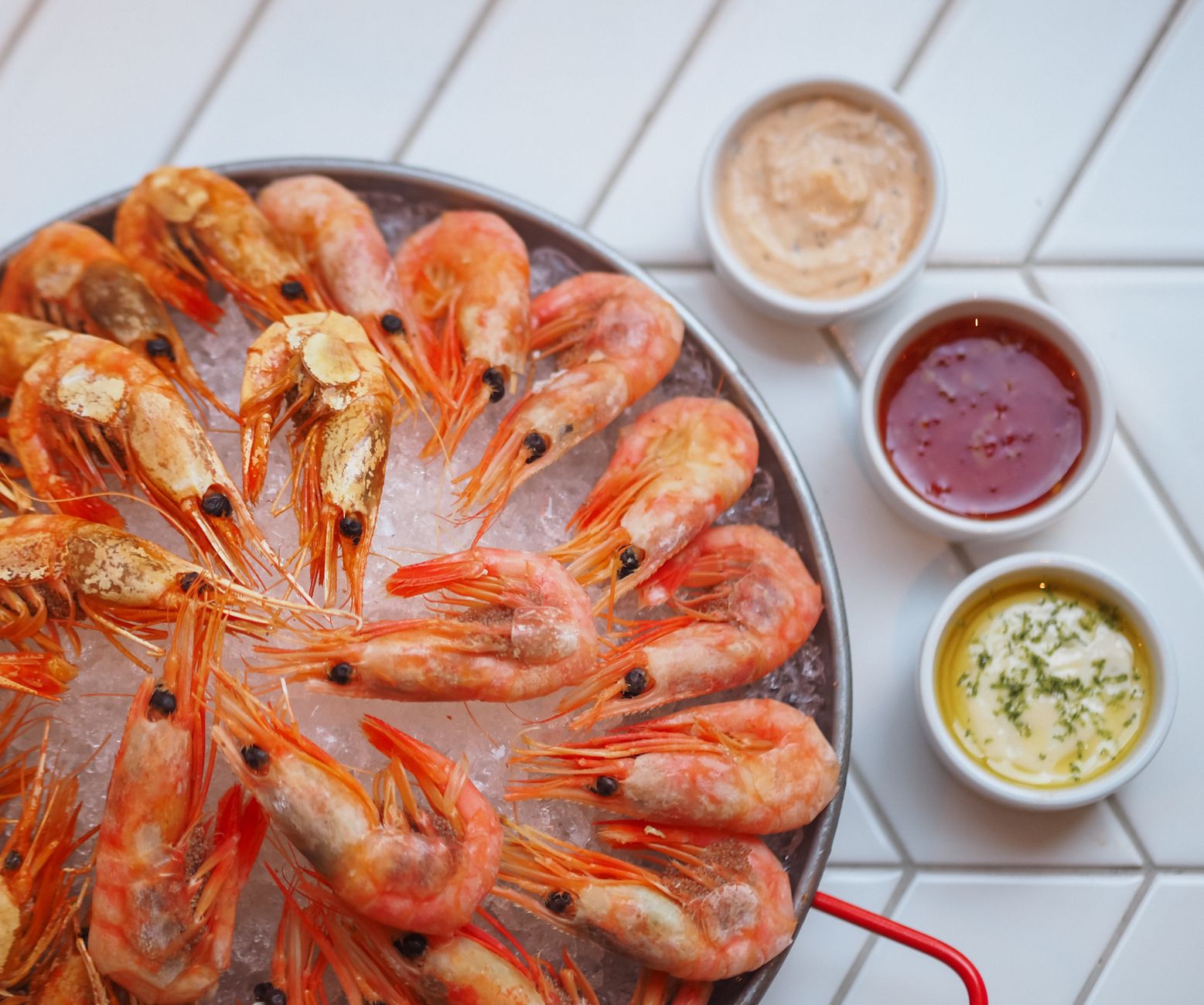
When it comes to seafood, jumbo shrimp is a popular choice for many due to its flavor and versatility. A key consideration for health-conscious consumers is the protein content in jumbo shrimp, which plays an important role in muscle building and repair. This article delves into how much protein you can expect from jumbo shrimp, including breakdowns by serving size, nutritional benefits, and culinary uses.
Understanding the nutritional value of shrimp can help you incorporate this delicious seafood into your diet in a balanced and health-conscious manner. Whether you’re meal prepping, entertaining, or simply looking to enjoy a nutritious meal, knowing how much protein is in jumbo shrimp will guide your cooking choices.
How Much Protein in Jumbo Shrimp?
A 3-ounce serving of cooked jumbo shrimp contains approximately 20 to 24 grams of protein, making it a high-protein food option. This protein content can vary slightly depending on the specific size of the shrimp and how it is prepared. In general, shrimp is low in calories and fat, making it an excellent source of protein for those watching their diets.
The Nutritional Profile of Jumbo Shrimp
Beyond protein, jumbo shrimp is rich in various nutrients that can contribute to a healthy diet. Below is a comprehensive nutritional overview of a standard 3-ounce serving of cooked jumbo shrimp:
- Calories: 84-100
- Protein: 20-24 grams
- Total fat: 1 gram
- Saturated fat: 0.3 grams
- Cholesterol: 166 milligrams
- Sodium: 300-350 milligrams
- Carbohydrates: 0 grams
- Fiber: 0 grams
- Sugars: 0 grams
This low-calorie and low-fat profile, combined with its high protein content, makes shrimp an ideal ingredient for weight management diets or muscle-building meal plans.
Variations in Protein Content by Serving Size
Understanding how the protein content varies by serving size can help with meal planning. Here’s a breakdown of protein in different serving sizes of cooked jumbo shrimp:
| Serving Size | Protein (grams) |
|---|---|
| 1 ounce | 6-8 grams |
| 3 ounces | 20-24 grams |
| 4 ounces | 27-32 grams |
| 5 ounces | 34-40 grams |
As shown, the protein content increases as the serving size grows, allowing you to adjust your serving based on your dietary needs and preferences.
Health Benefits of Jumbo Shrimp
In addition to being a rich source of protein, jumbo shrimp offers several health benefits worth noting:
1. Low in Calories
With only around 84 to 100 calories per 3-ounce serving, jumbo shrimp is a great option for those looking to enjoy nutrient-dense foods without excessive calories.
2. Rich in Omega-3 Fatty Acids
Shrimp contains moderate amounts of omega-3 fatty acids, which are essential for heart health and have been linked to reduced inflammation.
3. Source of Important Nutrients
Jumbo shrimp is not only packed with protein but also provides vitamins and minerals such as vitamin B12, selenium, and iodine, all important for various bodily functions.
4. Boosts Immune Function
The high selenium content in shrimp is known to support immune function, allowing the body to fend off infections and diseases more effectively.
How to Prepare Jumbo Shrimp
Cooking jumbo shrimp is quick and straightforward. Here are some popular cooking methods to enhance its flavor and texture:
Boiling
- Fill a pot with water and add salt to taste.
- Bring the water to a rolling boil.
- Add the shrimp to the boiling water and cook for 2-3 minutes or until they turn pink and opaque.
- Drain and serve hot.
Grilling
- Preheat your grill to medium-high heat.
- Marinate the shrimp in olive oil, garlic, and herbs for about 30 minutes.
- Skewer the shrimp and grill for 3-4 minutes on each side until cooked through.
Sautéing
- Heat a skillet over medium heat and add olive oil or butter.
- Add minced garlic and sauté for about 30 seconds.
- Add the shrimp and cook for approximately 3-4 minutes, stirring frequently until pink and opaque.
Common Mistakes When Cooking Jumbo Shrimp
While cooking jumbo shrimp is generally simple, there are some common pitfalls to avoid:
- Overcooking: Shrimp cooks quickly, and overcooking can lead to rubbery texture. Be attentive to cooking time.
- Skipping the deveining: Although shrimp are edible with the vein, removing it can improve the overall aesthetic and taste of the dish.
- Not seasoning: Shrimp can be quite bland without appropriate seasoning, so be generous with herbs and spices.
Delicious Jumbo Shrimp Recipes
Incorporating jumbo shrimp into your meals can be both satisfying and nutritious. Here are a couple of recipes that celebrate this ingredient:
Creamy Coconut Shrimp
This delightful dish features shrimp cooked in a flavorful coconut milk sauce, perfect for serving with rice or noodles.
- Jumbo shrimp: 1 pound
- Coconut milk: 1 can
- Garlic: 3 cloves, minced
- Red curry paste: 2 tablespoons
- Fresh basil: a handful, chopped
- Salt and pepper to taste
Shrimp Curry
This flavorful shrimp curry is both quick and satisfying, combining spices and flavors that bring a unique culinary experience.
- Jumbo shrimp: 1 pound
- Coconut oil: 2 tablespoons
- Onion: 1 medium, chopped
- Garlic: 2 cloves, minced
- Ginger: 1 tablespoon, shredded
- Yellow curry powder: 2 teaspoons
- Coconut milk: 1 can
- Spinach or peas: 1 cup
- Salt and pepper to taste
These recipes take advantage of the natural flavors of shrimp and can easily be adapted to suit various tastes and dietary needs.
Storing and Reheating Jumbo Shrimp
Proper storage and reheating can extend the shelf life of cooked jumbo shrimp and maintain its quality. Here are some tips:
Storing Cooked Jumbo Shrimp
- Refrigerate cooked shrimp in an airtight container for up to 3 days.
- If you need to store it longer, freezing cooked shrimp is advisable; place in a freezer-safe container for up to 2 months.
Reheating Cooked Jumbo Shrimp
- The best method for reheating is to use a skillet over low heat, adding a splash of water or broth to maintain moisture.
- A microwave can also be used, but be cautious not to overheat as this can lead to rubbery shrimp.
Conclusion
Jumbo shrimp provides an impressive source of protein while also being low in calories and fat. Understanding how much protein is in jumbo shrimp can help you effectively plan your meals. With various cooking techniques and delicious recipes at your disposal, this seafood can be easily incorporated into any diet, delivering both nutritional benefits and culinary satisfaction.
Explore related recipes, cooking tips, or food guides like our Creamy Coconut Shrimp Recipe or try out the Shrimp Curry Recipe for more culinary inspiration.