
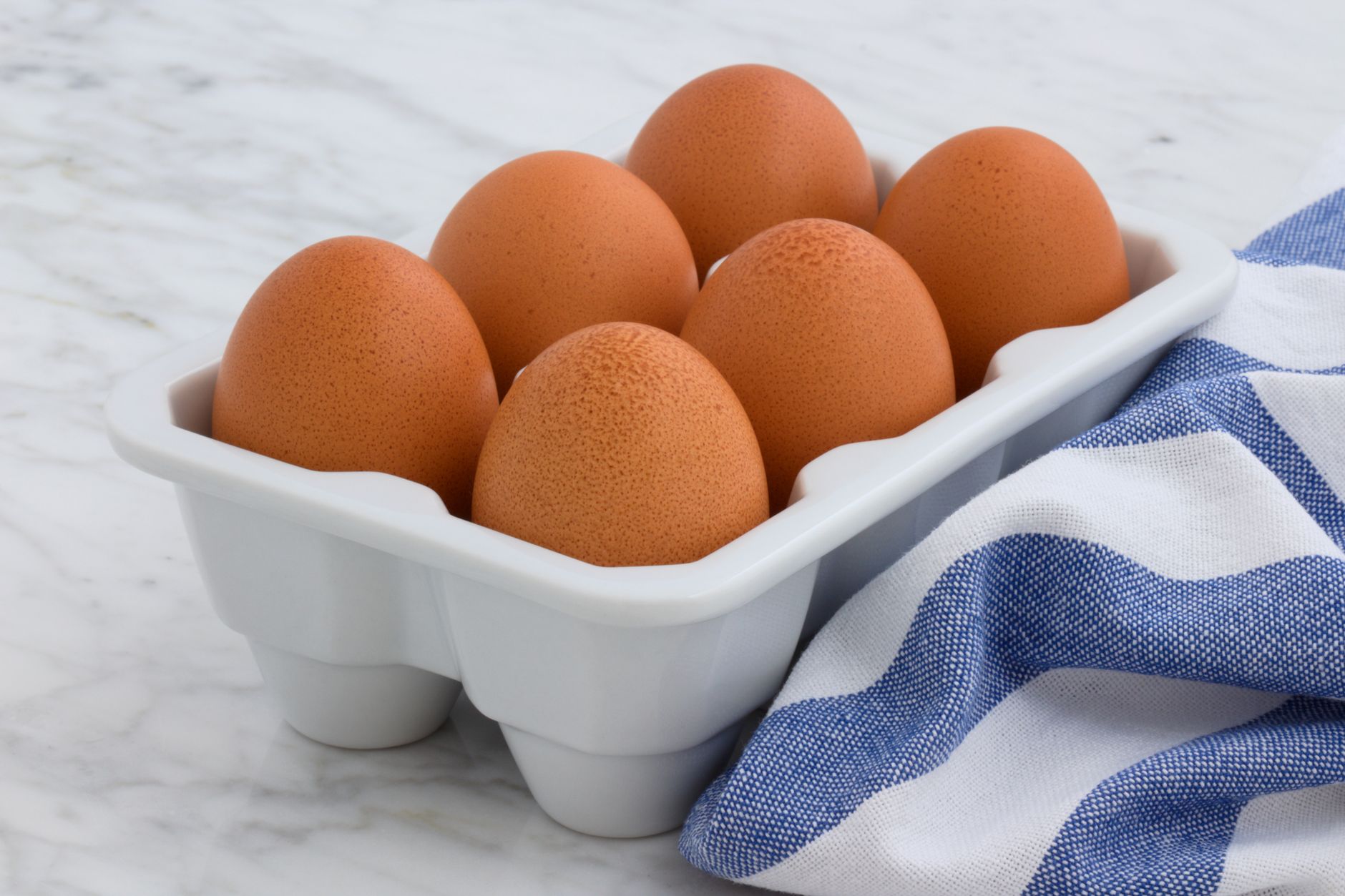
Eggs are a nutritional powerhouse, often touted for their high protein content and versatility in various dishes. If you are wondering how much protein is in 6 eggs, this guide will break down the specifics, helping you make informed decisions whether you’re meal prepping, managing a diet, or simply curious about the nutrient content of this staple food.
Besides protein, eggs offer a range of essential vitamins and minerals, contributing to a well-rounded diet. Understanding the protein content in 6 eggs can help you plan meals efficiently, whether for breakfast, lunch, dinner, or snacks.
How Much Protein in 6 Eggs?
In total, 6 large eggs contain approximately 36 grams of protein. Each large egg provides about 6 grams of protein, making them a great source of this macronutrient. Eggs are not only protein-rich but also contain essential amino acids, making them one of the highest quality protein sources.
The Nutritional Breakdown of Eggs
To appreciate the benefits of eggs fully, it’s essential to look beyond just protein. Here’s a detailed overview of the nutritional content found in one large egg:
- Calories: 70-80
- Protein: 6 grams
- Total fat: 5 grams
- Saturated fat: 1.5 grams
- Cholesterol: 186 mg
- Carbohydrates: 0.6 grams
- Vitamin A: 6% of the Daily Value (DV)
- Vitamin D: 10% of the DV
- Vitamin B12: 20% of the DV
- Selenium: 22% of the DV
- Phosphorus: 7% of the DV
Understanding Protein Quality
Eggs are often referred to as a “complete protein” source, meaning they provide all nine essential amino acids required by the body. This makes them particularly beneficial for muscle repair and overall health. Quality matters when considering protein, and eggs rank highly compared to many other protein sources thanks to their bioavailability, which means the body can absorb and utilize the protein efficiently.
Egg Varieties and Their Protein Content
While we primarily discuss large eggs in this guide, it’s worth noting that the protein content can vary slightly among different egg sizes:
- Medium egg: About 5.5 grams of protein
- Large egg: About 6 grams of protein
- Extra-large egg: About 7 grams of protein
- Jumbo egg: About 8 grams of protein
When measuring your nutritional intake, it is important to choose the right egg size based on your dietary needs and preference.
How to Incorporate Eggs into Your Diet
Integrating eggs into your meals can be simple and flavorful. Here are some popular ways to include eggs in your diet:
Breakfast Options
- Scrambled Eggs: A traditional way to start the day. Add vegetables and cheese for extra nutrients.
- Egg Omelets: Create a filling omelet packed with your favorite veggies and meats.
- Egg Muffins: These are perfect for meal prep; bake eggs with ingredients like spinach, peppers, and cheese in muffin tins.
Lunch and Dinner Ideas
- Salads: Hard-boiled eggs can be a great addition to salads, providing added protein to a fresh meal.
- Sandwiches: Egg salad is a classic option, or try incorporating slices of boiled eggs in your favorite sandwich.
- Stir-fries: Scrambled eggs integrated into a vegetable stir-fry can add flavor and richness.
Snacks
Hard-boiled eggs make for an easy snack option. They can be seasoned with salt and pepper, or paired with avocado for extra taste.
Practical Tips for Cooking Eggs
Cooking eggs might seem straightforward, but following some best practices ensures the best flavor and texture.
Boiling Eggs
For perfectly hard-boiled eggs, follow these steps:
- Place eggs in a saucepan and cover with cold water, about an inch above the eggs.
- Bring the water to a rapid boil over medium-high heat.
- Once boiling, cover the pan, remove it from heat, and let it sit for 9-12 minutes depending on desired doneness.
- Transfer the eggs to an ice bath for 5 minutes to stop the cooking process.
- Peel and season as desired.
Scrambling Eggs
- In a bowl, whisk together eggs, a splash of milk, salt, and pepper.
- Heat a non-stick skillet over medium-low heat and add butter or oil.
- Pour in the egg mixture and allow it to sit for a few moments.
- Using a spatula, gently stir the eggs until softly cooked and slightly runny.
Common Mistakes to Avoid When Cooking Eggs
Even small errors can lead to disappointing results. Here are some common pitfalls and how to avoid them:
- Overcooking: Overcooked eggs can become rubbery. Monitor cooking times closely to achieve the desired consistency.
- Not Preheating the Pan: Failing to heat the pan properly can lead to sticking. Ensure the skillet is adequately preheated before adding eggs.
- Skipping Seasoning: Eggs benefit from seasoning. Don’t overlook the importance of salt and pepper to enhance flavor.
Ingredient Substitutions
There may be times when you need to substitute eggs in your cooking; here are some healthy alternatives:
- Applesauce: Use 1/4 cup of unsweetened applesauce in place of one egg in baking for moisture.
- Flaxseed Meal: Mix 1 tablespoon of flaxseed meal with 3 tablespoons of water; let it sit for a few minutes until it becomes gel-like, replacing one egg.
- Chia Seeds: Similar to flaxseeds, mix 1 tablespoon of chia seeds with 3 tablespoons of water for egg substitution.
Storage and Safety Tips for Eggs
Proper storage of eggs is essential to maintain their quality and safety:
Storing Fresh Eggs
- Keep eggs in their original carton to prevent absorption of odors from other foods.
- Store eggs in the coldest part of the fridge, rather than the door, for better temperature consistency.
Using Leftover Cooked Eggs
Hard-boiled eggs can be stored in the refrigerator for up to one week. Make sure they are tightly sealed to prevent odor absorption.
Conclusion
Eggs are a fantastic source of protein, with 6 large eggs providing approximately 36 grams. Their versatility makes them an excellent choice for meals at any time of day. Whether scrambled, poached, or hard-boiled, incorporating eggs into your diet can offer numerous nutritional benefits. Understanding how to cook, store, and substitute eggs can enhance your culinary skills and overall meal planning.
Explore more about nutrition in foods, such as how many calories in 2 scrambled eggs or learn about cooking essentials like how many cups of water for 1 cup of rice.