
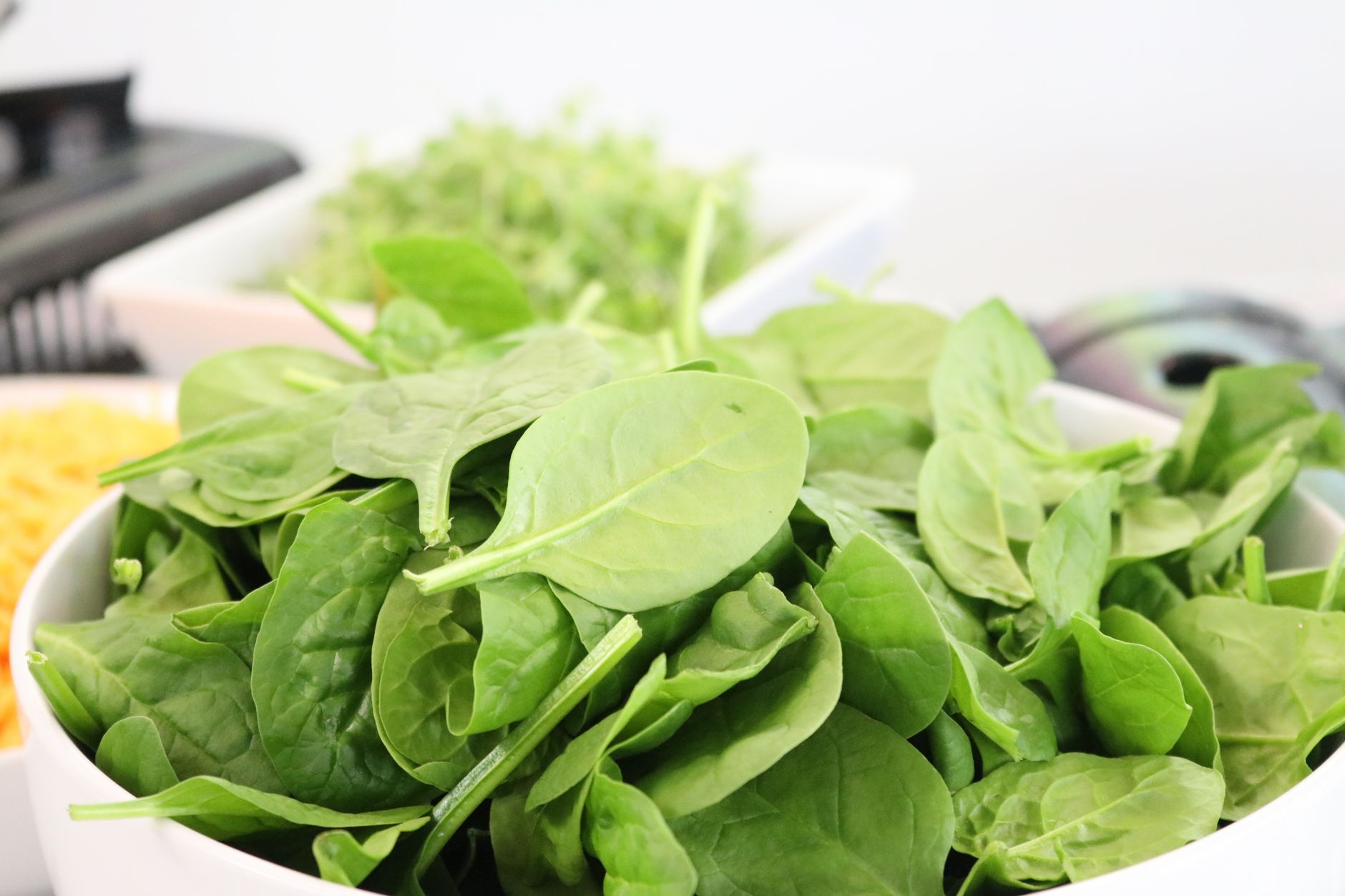
Spinach is a leafy green vegetable often celebrated for its versatility in cooking and its nutritional benefits. Among its many health benefits, spinach is rich in fiber, playing an essential role in digestion and overall well-being. Understanding how much fiber is in spinach can help you incorporate this superfood into your diet effectively.
This article will explore the fiber content of spinach by serving size, its health benefits, how to prepare it, and tips for incorporating it into meals. Whether you’re a seasoned chef or a kitchen novice, knowing the fiber content can enhance your culinary experience with spinach.
How Much Fiber Is in Spinach?
Spinach contains approximately 0.7 grams of fiber per 100 grams when raw. This might seem low, but considering that spinach is often consumed in larger quantities, it can be a significant source of dietary fiber. To break it down by serving size, let’s look at the fiber content in different portions of both raw and cooked spinach.
Fiber Content by Serving Size
Here’s a closer look at the fiber content of spinach based on various serving sizes:
| Serving Size | Raw Spinach Fiber (grams) | Cooked Spinach Fiber (grams) |
|---|---|---|
| 1 cup (30g) | 0.2 | 0.5 |
| 1 cup (180g) | 1.3 | 3.7 |
| 100 grams | 0.7 | 2.2 |
| 1 serving (20g dried spinach) | 3.5 | N/A |
Why Cooked Spinach Has More Fiber
Cooking spinach typically reduces its volume significantly, allowing more spinach to fit into a single serving. As a result, cooked spinach will yield a higher fiber content per serving due to this concentration effect. When you compare raw to cooked, you’ll also notice cooking enhances the absorption of certain nutrients, but fiber remains an essential component whether raw or cooked.
Health Benefits of Fiber-Rich Spinach
Fiber is a crucial part of a healthy diet, and spinach contributes significantly to that intake. Here are some of the main benefits of a fiber-rich diet including spinach:
- Digestive Health: Dietary fiber helps promote healthy bowel movements and prevent constipation.
- Weight Management: High-fiber foods, including spinach, provide a sense of fullness, which can aid in weight control.
- Blood Sugar Control: Fiber helps stabilize blood sugar levels, making it beneficial for managing diabetes.
- Heart Health: A diet high in fiber is associated with lower cholesterol levels and a reduced risk of heart disease.
How to Prepare Spinach
Preparing spinach can be simple and straightforward. Here are some common methods to enjoy this nutrient-packed leafy green:
Raw Spinach Preparations
Raw spinach can be used in:
- Salads: Combine fresh spinach with other vegetables, nuts, or seeds to create a nutritious base for salads.
- Smoothies: Blend raw spinach with fruits and liquids to create a fiber-rich smoothie.
- Sandwiches and Wraps: Use spinach leaves instead of lettuce for added nutrition.
Cooked Spinach Preparations
Cooking methods for spinach include:
- Steaming: This method preserves the color and nutrients of spinach while softening its texture.
- Sautéing: Quickly cook spinach in olive oil or butter with garlic for a flavorful side dish.
- Baking: Incorporate spinach into casseroles or baked dishes like quiches and pasta bakes.
Practical Tips for Incorporating Spinach into Your Diet
Here are some tips to help you easily add spinach to your meals:
- Buy Fresh or Frozen: Both types are nutritious. Frozen spinach is convenient for quick meals.
- Add to Soups: Toss in a handful of spinach in the last few minutes of cooking for added nutrition.
- Use in Pasta Dishes: Stir cooked spinach into pasta sauces or mix it into the pasta before serving.
- Mix with Eggs: Add spinach to omelets or scrambled eggs for a delicious breakfast boost.
Common Mistakes When Using Spinach
When preparing or selecting spinach, here are some common mistakes to avoid:
- Choosing Wilted Leaves: Always check for freshness; wilted leaves signify poor quality.
- Cooking Too Long: Overcooking spinach can lead to a loss of flavor and nutrients.
- Neglecting to Wash: Always rinse spinach thoroughly to remove dirt and pesticides.
Make-Ahead and Storage Tips
Storing spinach properly can help maintain its freshness and nutrients:
- Refrigeration: Store fresh spinach in a damp paper towel in a sealed container to prolong freshness.
- Freezing: For long-term storage, blanch spinach first, then freeze it in airtight bags.
Cooked spinach can be stored in the refrigerator for 3-5 days in an airtight container. Reheat gently to prevent overcooking and loss of texture.
Fiber Content in Comparison with Other Vegetables
Spinach is not the only vegetable rich in fiber. Here’s how it compares with some other popular leafy greens:
| Vegetable | Fiber per 100g (grams) |
|---|---|
| Spinach (cooked) | 2.2 |
| Kale (cooked) | 3.6 |
| Swiss Chard (cooked) | 1.6 |
| Collard Greens (cooked) | 3.6 |
| Romaine Lettuce (raw) | 1.2 |
While kale and collard greens have higher fiber content when cooked, spinach’s versatility and culinary uses make it a popular choice in many cuisines.
Innovative Ways to Enjoy Spinach
To get even more creative with spinach, consider these innovative recipes:
- Spinach and Feta Stuffed Chicken: A healthy and flavorful dish that combines chicken breast with sautéed spinach and feta cheese.
- Spinach and Banana Smoothie Bowl: A breakfast treat that blends spinach with banana, yogurt, and topped with fruits and nuts.
- Spinach Pesto: A delightful twist on traditional pesto, using spinach as the base instead of basil.
Conclusion
Spinach is a fiber-rich vegetable that is easy to incorporate into a variety of dishes. Its nutritional benefits, combined with its culinary versatility, make it a staple in many kitchens. With approximately 2.2 grams of fiber per 100 grams when cooked, it serves as a valuable addition to a balanced diet.
Whether tossed in salads, blended in smoothies, or sautéed as a side dish, spinach can enhance not only your meals but also your overall health. Start adding more spinach to your plate today and enjoy the benefits of this incredible leafy green.
Discover how much fiber is in banana and the protein content in spinach to further enrich your meals!