
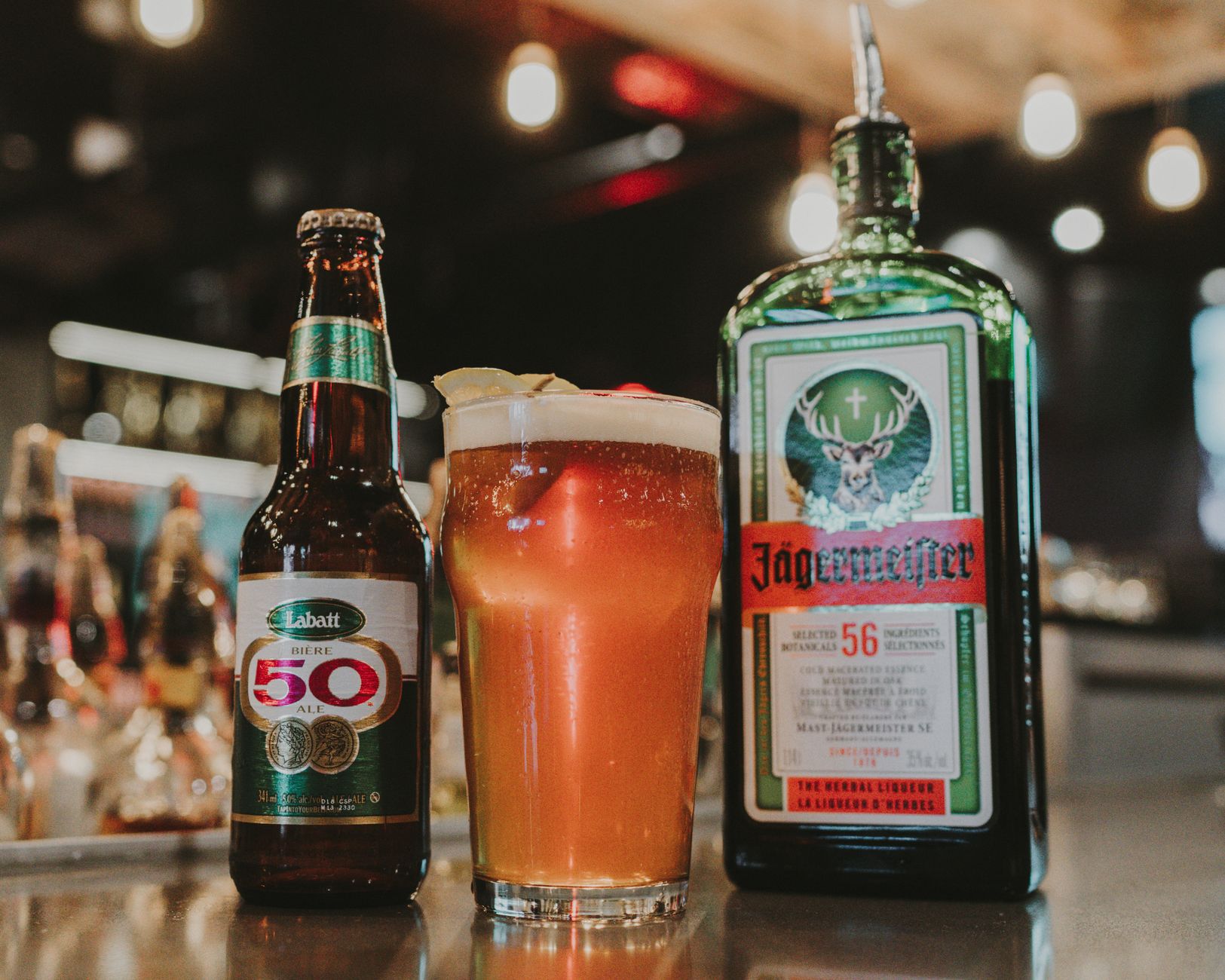
The age-old saying “Beer before liquor, never been sicker; liquor before beer, you’re in the clear” raises an interesting question about the order in which to consume alcoholic beverages. Many people believe that the sequence of drinking can affect how they feel afterwards, but is there any scientific basis for this adage? This article will explore the nuances of drinking beer and liquor, dispelling myths and providing insights into the effects of alcohol consumption.
Understanding the effects of different types of alcohol on the body is crucial for anyone who enjoys drinking. From the types of alcoholic beverages to how they are metabolized, this knowledge can lead to more responsible choices. Let’s delve into the facts behind the saying and see if there’s any truth to it.
Is Beer Before Liquor True?
The saying refers to the belief that consuming beer before liquor can lead to unpleasant effects, such as hangovers or nausea. However, scientific studies suggest that the order of consumption matters less than the total amount of alcohol consumed. The body processes alcohol the same way, regardless of the order in which it was ingested. Therefore, people may feel ill due to the total volume rather than the sequence.
The Science Behind Alcohol Absorption
When consumed, alcohol is absorbed primarily in the stomach and small intestines. The rate of absorption can be influenced by various factors such as:
- Alcohol content: Higher alcohol content beverages can enter the bloodstream more quickly.
- The presence of food: Consuming food slows absorption, allowing the body to process alcohol more gradually.
- Individual tolerance: Personal tolerance to alcohol and metabolism can affect how quickly one feels the effects.
While consuming quantities and types matter, how we mix and match beverages can also lead to differences in experience. Some people report feeling worse after consuming beer followed by liquor, likely due to the carbonation in beer increasing the rate of alcohol absorption. This creates a situation where someone might drink more than they realize.
Mounting Evidence Against the Saying
Research conducted on alcohol consumption has shown that there is no conclusive evidence linking the order of drinking to increased risk of sickness. Studies primarily indicate that factors like the volume of alcohol and hydration levels play significant roles in how one feels after drinking. Furthermore, anecdotal reports—often shared in social situations—serve to reinforce the saying but do not represent objective scientific conclusions.
Practical Implications of Consumption Order
While the saying may have originated from a place of caution, understanding its implications can help drinkers make informed choices. Here are some practical tips to avoid unpleasant effects, regardless of the order of beverages consumed:
- Know your limits: Familiarize yourself with how much alcohol you can handle and adhere to that limit.
- Stay hydrated: Drink water alongside alcoholic beverages to help dilute the alcohol in your system.
- Eat before and during drinking: Consuming food helps slow the absorption of alcohol, which can lead to a more moderate experience.
- Take it slow: Pace your drinks, allowing the body time to process alcohol before having another one.
Kinds of Alcoholic Beverages and Their Effects
To provide a deeper understanding, let’s analyze some common alcoholic beverages, focusing on their alcohol content and typical consumption scenarios.
Beer
Beer typically has a lower alcohol content, ranging from about 4% to 6% ABV (alcohol by volume) for regular beers. Some craft and specialty beers can go much higher, making it essential to pay attention to what you are drinking. The carbonation in beer can promote faster absorption, contributing to feelings of fullness and nausea when consumed excessively.
Liquor
Spirits such as whiskey, vodka, gin, and rum usually have much higher alcohol content, typically around 40% ABV or more. Consuming liquor at a faster rate can lead to more pronounced effects and can certainly contribute to feelings of intoxication. Mixing liquor with beer introduces additional variables, particularly the volume consumed.
Common Mixing Scenarios
Below are some prevalent scenarios involving beer and liquor, with insights into how these combinations might affect drinkers:
Beer and Shots
Ordering a shot of liquor with a beer chaser is a popular choice in many social settings. In this scenario, the energy from the beer may encourage individuals to drink more, often leading to overconsumption. Drinking beer first can lead to energetic feelings, but when combined with liquor, the rapid absorption can create an unexpected intensity.
Beer Cocktails
Beer cocktails, such as beer margaritas or shandies, incorporate both beer and liquor. The combination transforms the experience, blending flavors but also increasing the potential for higher alcohol intake. It’s important to monitor how many of these drinks are consumed, as enjoyment can often lead to overindulgence.
Preventing Unpleasant Experiences
Despite the adage, preventing unpleasant aftereffects mainly comes down to moderation and informed drinking practices. Here are additional strategies to consider:
- Mixing Wisely: If enjoying both beer and liquor, consider alternating between alcoholic and non-alcoholic drinks.
- Time it Right: Space out alcohol consumption over time, giving the body ample opportunity to process what has been consumed.
- Know the Mix: Be cautious of mixing various types of liquor, as certain combinations can lead to heightened reactions.
Conclusion
The notion that drinking beer before liquor leads to sickness appears more rooted in caution than scientific fact. The way alcohol is metabolized in the body means total consumption generally plays a more significant role in how individuals feel after drinking. Knowledge is the best tool for making mindful decisions regarding alcohol consumption. By understanding the impact of different beverages and adopting responsible drinking practices, individuals can enjoy their drinks without undue discomfort.
If you’re looking for a unique way to enjoy beer, consider trying beer can chicken, a flavorful recipe that infuses the bird with the beer’s taste while keeping it moist. For a refreshing cocktail, a bourbon slush offers a delightful mix that is sure to please. Explore these ideas to expand your culinary repertoire!