
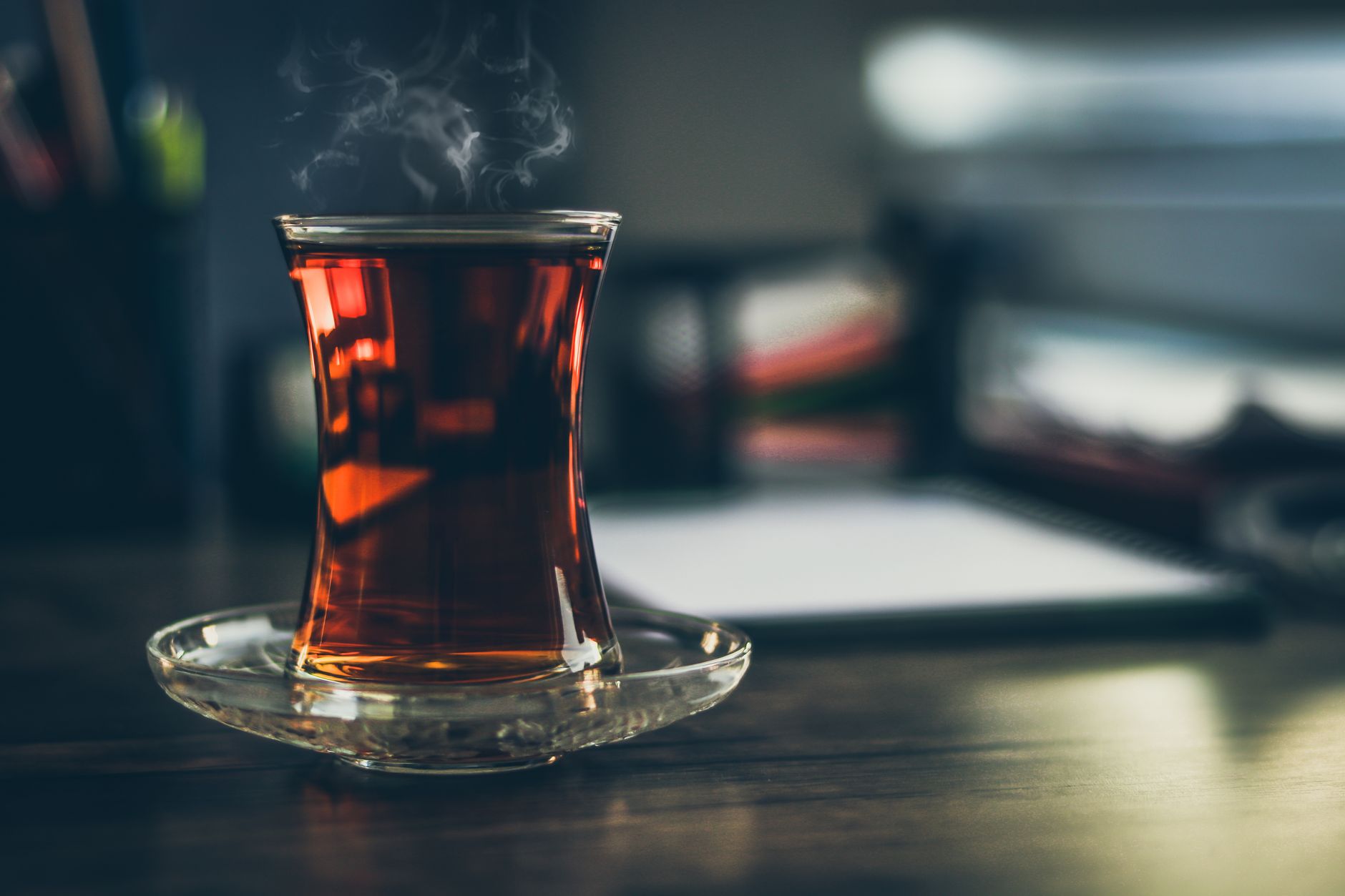
Black tea is one of the most popular beverages around the world, revered not only for its rich flavor but also for its energizing properties. A common question surrounding this beloved drink is how much caffeine it contains. This article will delve into the caffeine content of black tea, explore its health implications, and provide guidance on how to enjoy it fully.
In addition to understanding the caffeine levels, knowing how steeping time and tea variety affect caffeine content will enhance your appreciation of this complex beverage. Whether you are trying to moderate your caffeine intake or simply curious about your favorite drink, this guide will equip you with all the necessary information.
How Much Caffeine in a Cup of Black Tea?
A standard cup (about 8 ounces) of brewed black tea typically contains between 40 to 70 milligrams of caffeine. The variances depend on several factors, including the tea brand, steeping time, and the type of black tea used.
Factors Affecting Caffeine Content
Understanding what influences caffeine content in black tea can help you manipulate the strength of your brew. The following factors play a significant role:
- Type of Black Tea: Different varieties of black tea have varying caffeine levels. For example, Assam tea generally contains more caffeine than Darjeeling.
- Steeping Time: The longer you steep the tea, the more caffeine is released. A quick 1-2 minute steep typically yields less caffeine than a prolonged 5-7 minute brew.
- Water Temperature: Hotter water extracts caffeine more efficiently. Brewing at around 200°F (93°C) will generally yield a stronger cup.
- Tea Bag vs. Loose Leaf: Loose leaf tea often contains more caffeine than bagged tea, as the leaves are typically larger and less processed.
Comparison with Other Teas and Beverages
Black tea’s caffeine content can be compared to other common beverages to understand its standing better:
| Beverage | Caffeine Content (per 8 oz) |
|---|---|
| Black Tea | 40-70 mg |
| Green Tea | 20-45 mg |
| Oolong Tea | 30-50 mg |
| White Tea | 15-30 mg |
| Espresso | 63 mg |
| Coffee | 95 mg |
The Health Implications of Caffeine in Black Tea
Caffeine has various effects on the body, both positive and negative. Here are some considerations to keep in mind:
Positive Effects
- Enhanced Alertness: Caffeine acts as a stimulant that can improve focus and reduce fatigue.
- Antioxidant Properties: Black tea is rich in antioxidants, which can help fight oxidative stress in the body.
- Potential Weight Management: Some studies indicate that caffeine may assist in weight loss by promoting fat oxidation.
Negative Effects
- Anxiety and Jitters: Excessive caffeine intake can lead to feelings of anxiety, jitteriness, and insomnia.
- Dependence and Withdrawal: Regular caffeine consumption can lead to dependence, with withdrawal symptoms like headaches and fatigue when intake decreases.
- Heart Rate and Blood Pressure: High caffeine levels can temporarily raise heart rate and blood pressure, which may not be ideal for individuals with certain heart conditions.
How to Brew the Perfect Cup of Black Tea
Brewing black tea may seem straightforward, but mastering the technique can dramatically enhance your tea-drinking experience. Here’s a step-by-step guide to brewing black tea:
Essential Equipment
- Tea kettle or pot
- Teapot or tea infuser
- Measuring spoon (if using loose leaf tea)
- Timer
- Cup or mug
Ingredients
- Black tea leaves or tea bags: About 1 teaspoon of loose leaf tea per cup, or one tea bag.
- Water: Fresh, filtered water is ideal. Use approximately 8 ounces per cup.
Brewing Method
- Boil water in a kettle or pot until it reaches a rolling boil (about 200°F or 93°C).
- If using loose leaf tea, place 1 teaspoon per cup into your teapot or infuser.
- Pour the boiling water over the tea leaves or tea bag in your cup or teapot.
- Set a timer based on your desired strength: 3-5 minutes is a common range.
- Remove the tea leaves or tea bag after brewing. Enjoy your cup of brewed black tea!
Practical Substitutions and Variations
While black tea has a unique flavor profile, you can experiment with various teas and add-ins to create a personalized beverage:
- Green Tea: A lower-caffeine substitute that offers a different flavor and health benefits.
- Herbal Tea: Caffeine-free alternatives like chamomile or peppermint for those seeking to avoid caffeine altogether.
- Spices: Enhance your black tea with spices such as cinnamon or ginger for added flavor and warmth.
- Milk and Sweeteners: Adding milk, honey, or sugar can create a creamier drink and help balance the astringency of black tea.
Common Mistakes When Brewing Black Tea
Learning from common mistakes can help optimize your tea-brewing skills:
- Using Water That’s Too Hot: Overly hot water can scorch the leaves, resulting in a bitter taste. Aim for around 190-200°F.
- Too Long or Too Short of a Steep Time: Steeping for too long can lead to bitterness, while not steeping long enough may yield weak tea. Adjust steep times based on the tea variety.
- Not Enough Tea: Using insufficient amounts of tea leaves or bags can lead to a lackluster flavor. Be sure to measure appropriately.
Serving Suggestions
Black tea can be enjoyed in many ways, offering numerous serving options to personalize your experience:
- Iced Black Tea: Brew the tea and chill it for refreshing iced tea. Add lemon or mint for a twist.
- Chai Tea: Brew black tea with spices and milk for a comforting spiced tea experience.
- Tea Lattes: Combine brewed black tea with steamed milk for a unique tea latte.
Storage and Freshness Tips
To preserve the freshness and quality of black tea:
- Airtight Containers: Store your tea in an airtight container to protect it from moisture and light.
- Cool, Dry Place: Keep your tea in a cool, dark spot away from heat sources.
- Check Expiry Dates: Always check packaging for best-by dates. While tea does not spoil in a traditional sense, its flavor can diminish over time.
Final Thoughts
Black tea provides a delightful mix of flavor, tradition, and health benefits, making it a cherished beverage across cultures. With a moderate caffeine content, it strikes a balance for those seeking a mild boost in alertness. By exploring various brewing techniques, flavors, and styles, you can create your perfect cup.
Ready to expand your tea journey? Explore more about chai tea and its caffeine content by visiting this link, or discover which tea has the most caffeine at this page. Enjoy your tea exploration!