
For many, pizza is a beloved staple, but traditional recipes often rely on yeast for that signature rise and fluffiness. However, if you’re short on ingredients or have dietary restrictions, you might wonder: can you make pizza dough without yeast? The good news is yes, you can! This article will explore several alternatives, share a recipe for yeast-free pizza dough, and offer tips and variations to cater to your preferences.
Making pizza dough without yeast can be quick, straightforward, and yield delicious results. Whether you’re looking for a last-minute meal or experimenting with different ingredients, yeast-free dough is an excellent option. Let’s dive into the details of creating your perfect pizza dough.
Can You Make Pizza Dough Without Yeast?
Yes, you can make pizza dough without yeast by using baking powder, self-rising flour, or other leavening agents. These substitutes can provide the necessary rise and texture to create a satisfying crust in a shorter amount of time. This method is great for quick meals without sacrificing flavor or satisfaction.
Understanding Yeast-Free Pizza Dough
Yeast-free pizza dough typically relies on baking powder or similar leavening agents to achieve a light and fluffy texture. Unlike traditional yeast dough, which requires time to rise, doughs made without yeast can be prepared and baked in under an hour.
- Baking Powder: A combination of baking soda and an acid (like cream of tartar) that provides immediate leavening when mixed with liquid.
- Self-Rising Flour: A pre-mixed flour that includes baking powder and salt, perfect for quick recipes.
- Mashed Potatoes or Cauliflower: These can be mixed with other dry ingredients for a unique take on pizza crust.
Basic Recipe for Yeast-Free Pizza Dough
This basic recipe yields enough dough for one 12-inch pizza. Preparation is quick and requires minimal ingredients, making it an excellent choice for weeknight dinners.
Ingredient List
- 2 cups all-purpose flour (or use whole wheat flour for a healthier option)
- 1 tablespoon baking powder
- 1 teaspoon salt
- 2 tablespoons olive oil
- 3/4 cup water (adjust as needed)
Essential Equipment
- Mixing bowl
- Measuring cups and spoons
- Wooden spoon or spatula
- Rolling pin
- Baking sheet or pizza stone
Step-by-Step Method
- Preheat your oven to 475°F (245°C). If using a pizza stone, place it in the oven to heat up.
- In a large mixing bowl, combine the flour, baking powder, and salt, mixing well to evenly distribute the dry ingredients.
- Add the olive oil and 1/2 cup of water to the dry ingredients. Mix with a wooden spoon or spatula.
- Add additional water, a tablespoon at a time, until the dough comes together. You want a slightly tacky but manageable dough.
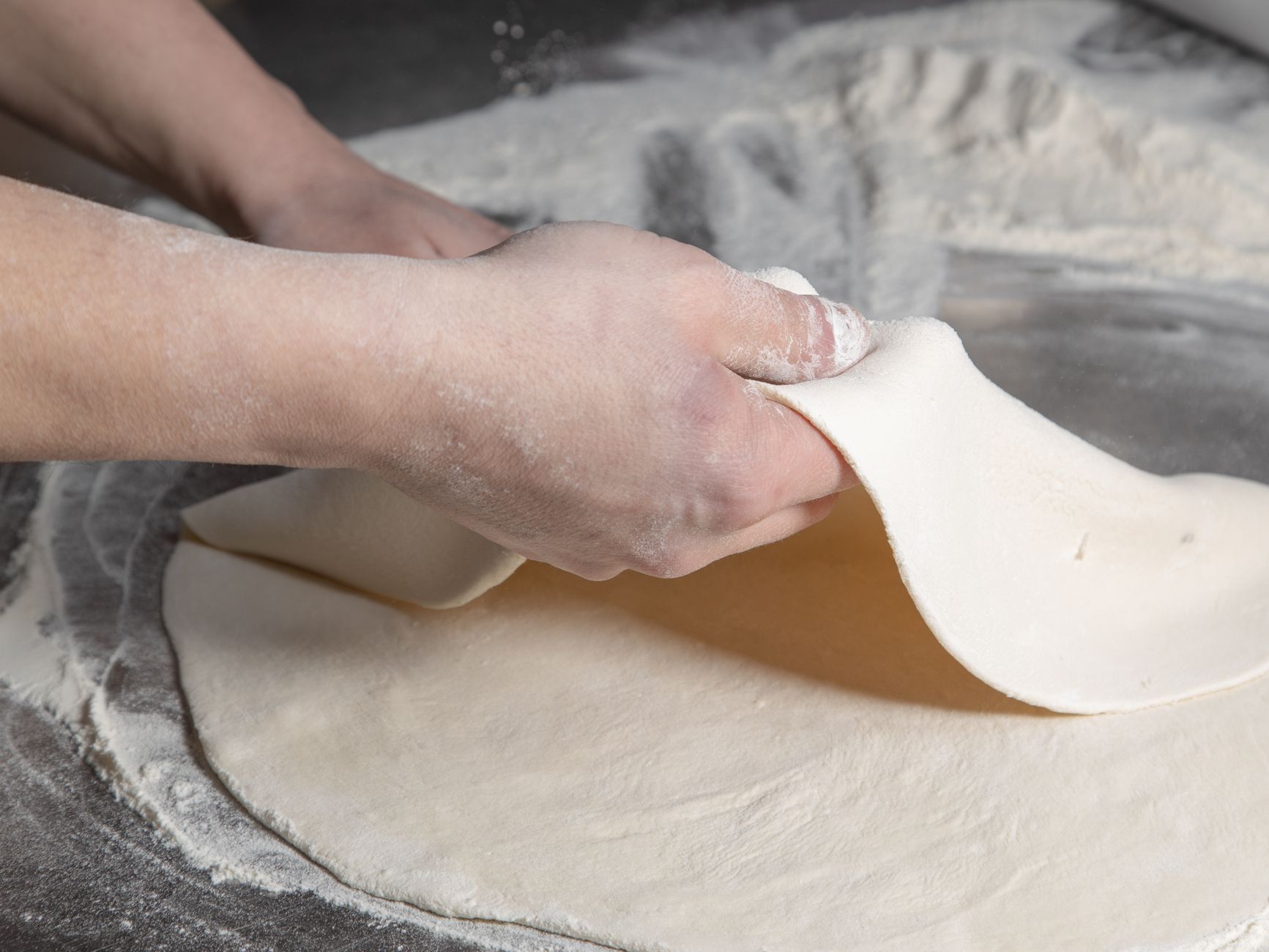
- Transfer the dough to a floured work surface. Knead the dough gently for about 30 seconds until it becomes smooth.
- Roll out the dough to your desired thickness (about 1/4 inch for a thinner crust) using a rolling pin.
- Place the rolled-out dough onto a baking sheet lined with parchment paper or a preheated pizza stone.
- Add your favorite sauce, cheese, and toppings.
- Bake for 12-15 minutes or until the crust is golden and the cheese is bubbly.
Flavor and Texture Profile
The resulting crust from this recipe will be crispy on the outside and soft on the inside, delivering a satisfying bite. The olive oil adds richness, while the baking powder ensures the dough rises correctly. This method allows for a flavorful, quick pizza alternative without the wait typically required by yeast-based recipes.
Make-Ahead Options and Storage
This pizza dough can be made ahead of time and stored in the refrigerator for up to two days, wrapped tightly in plastic wrap. If you want to prepare it further in advance, you can freeze the uncooked dough:
- Wrap the dough tightly in plastic wrap and then in aluminum foil.
- Label the package with the date. Frozen dough will last for about three months.
- To use, thaw in the refrigerator overnight before rolling out.
Common Mistakes and Troubleshooting Tips
Even when making a simple dough, pitfalls can occur. Here are some common mistakes and how to avoid them:
- Using too much flour: This can make your dough dry. Use the specified amount and add only more if required.
- Over-kneading the dough: Yeast-free dough should be kneaded lightly; overworking can make it tough.
- Insufficient baking time: Make sure your pizza is cooked long enough to develop a crispy crust. Keep an eye on it as oven temperatures can vary.
Substitutions and Variations
Feel free to experiment with various ingredients and techniques to create your perfect pizza dough. Here are some suggestions for substitutions and variations:
- Flours: You can substitute half of the all-purpose flour with whole wheat flour for added nutrition. Gluten-free blends can also be used but may require additional binding agents.
- Oils: Besides olive oil, you can use melted butter or avocado oil for different flavors.
- Seasonings: Mix in dried herbs (like oregano or basil) or garlic powder into the dough for an extra flavor kick.
Creative Topping Ideas
Your yeast-free pizza dough serves as a versatile base for a variety of toppings. From classic Margherita to unique combinations, the possibilities are endless:
- Classic Margherita: Tomato sauce, fresh mozzarella, fresh basil, and a drizzle of olive oil.
- Pepperoni and Cheese: Tomato sauce, mozzarella cheese, and a generous topping of pepperoni slices.
- Veggie Delight: A mix of bell peppers, onions, mushrooms, and olives with a rich tomato sauce and mozzarella.
- Pesto Chicken: Top with pesto sauce, rotisserie chicken, and sun-dried tomatoes for a flavorful twist.
Serving Suggestions
Yeast-free pizza can be paired with various side dishes to create a full meal. Consider serving:
- Garden Salad: A light salad with mixed greens, cucumbers, and a tangy vinaigrette complements the heaviness of pizza.
- Garlic Bread: Simple bruschetta with toasted bread drizzled with olive oil and garlic offers an extra layer of flavor.
- Roasted Vegetables: Seasonal veggies roasted in olive oil make a delicious, healthy side dish.
Exploring Other Yeast-Free Pizza Options
If you’re looking for alternatives to traditional pizza crust, consider trying these options:
- Cauliflower Crust: Made from riced cauliflower, cheese, and eggs, this crust is a popular low-carb option.
- Chickpea Flour Crust: A nutritious alternative that also adds protein, this crust can be made by mixing chickpea flour with water and seasoning.
- Potato Crust: Mashed potatoes or grated raw potatoes mixed with an egg can create a delightful, unique crust.
These variations offer exciting explorations into different flavors and textures that complement the traditional pizza experience.
Final Thoughts
Making pizza dough without yeast is not only possible but can be incredibly satisfying. With simple and accessible ingredients, you can create a delicious base for your favorite pizza toppings in under an hour. Whether you’re looking for a quick meal solution, have dietary restrictions, or just want to try something new, yeast-free pizza dough is an excellent option worth exploring.
Now that you’re equipped with a fantastic yeast-free pizza dough recipe and insights on variations, it’s time to gather your favorite toppings and get cooking. If you’re curious about more creative recipes like easy doughnuts without yeast or perhaps a chicken crust pizza, feel free to explore further.