
Energy drinks have become a popular beverage choice for those looking to boost their energy, improve focus, or enhance athletic performance. However, consumers often have questions about the caffeine content in these beverages. Knowing how much caffeine an energy drink contains can help you make informed decisions about your consumption.
In this guide, we will explore the caffeine content in various popular energy drinks, discuss factors that influence caffeine levels, and offer insights on moderation and health considerations. From the casual consumer to the athlete, understanding caffeine in energy drinks is essential for maintaining balance in your daily regimen.
How Much Caffeine Does an Energy Drink Have?
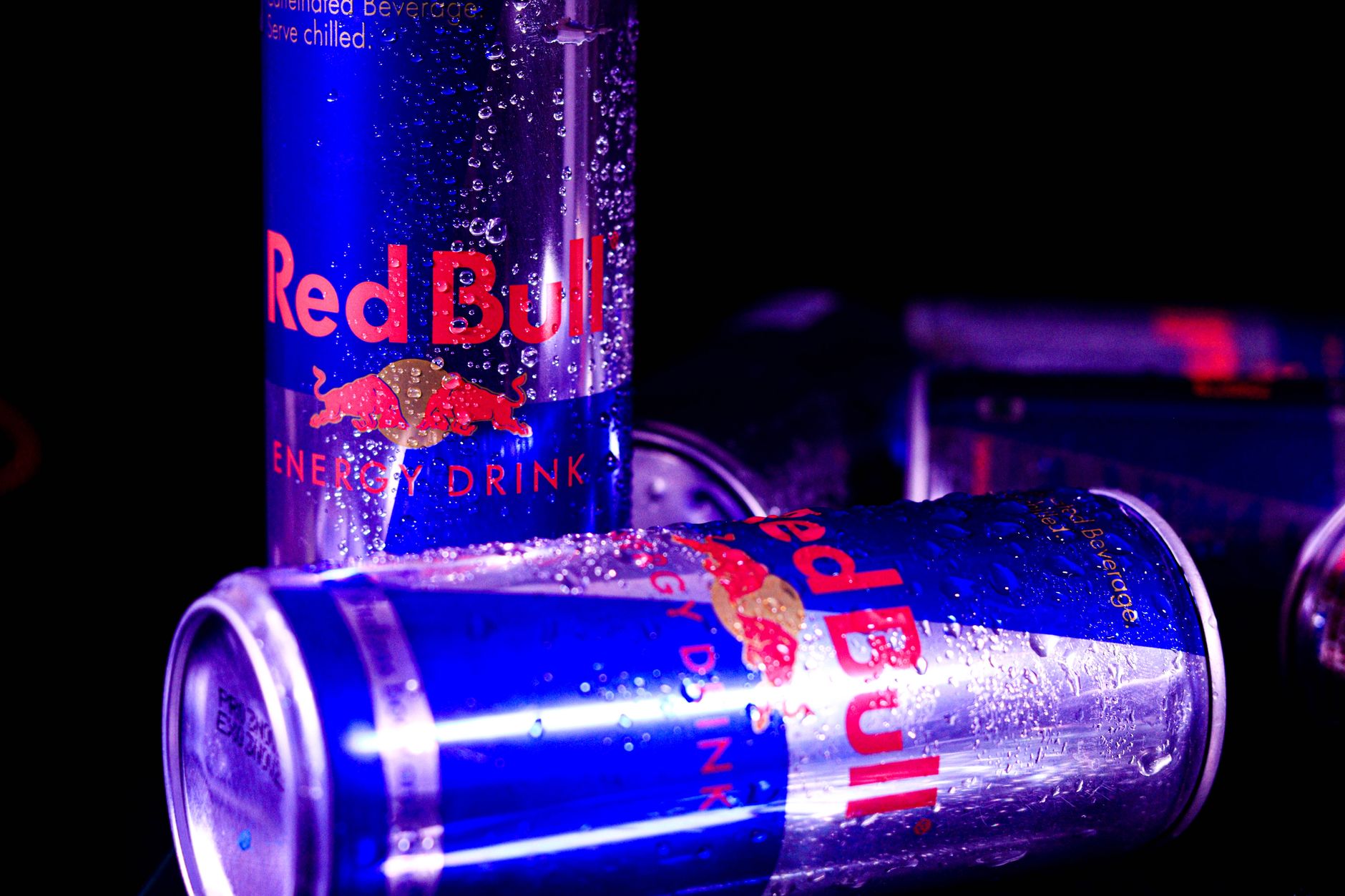
The caffeine content in energy drinks can vary significantly depending on the brand and formulation. On average, most energy drinks contain between 80 to 300 milligrams of caffeine per 16-ounce serving. Some of the more popular brands may even exceed this range. For example, a standard 8-ounce serving of Red Bull contains about 80 milligrams of caffeine, while certain products like Bang or Monster Energy can contain upwards of 300 milligrams per serving.
Caffeine Content in Popular Energy Drinks
To give you a clearer picture of caffeine levels, here is a summary of caffeine amounts in some of the most widely consumed energy drinks:
- Red Bull: 80 mg per 8.4 oz can
- Monster Energy: 160 mg per 16 oz can
- Bang Energy: 300 mg per 16 oz can
- Rockstar Energy: 160 mg per 16 oz can
- 5-hour Energy: 200 mg per 2 oz serving
- AMP Energy: 142 mg per 16 oz can
Factors Affecting Caffeine Content
The caffeine content in energy drinks isn’t solely dependent on the manufacturer; various factors can affect how much caffeine is present in the final product:
1. Brand Variability
Different brands have distinct formulations and regulations, resulting in varying caffeine amounts. Some companies prioritize higher caffeine content to appeal to specific demographics, such as athletes or professionals seeking energy boosts.
2. Serving Size
Energy drinks come in various sizes—some are sold in 8-ounce cans, while others may be as large as 16 ounces or more. The serving size impacts how much caffeine you consume. Always check the serving size when calculating your caffeine intake.
3. Additional Ingredients
Many energy drinks contain other stimulants, such as guarana and taurine, which can enhance the effects of caffeine. These ingredients may influence how the body processes caffeine, potentially affecting energy levels and overall impact.
4. Labeling Regulations
Regulations concerning caffeine labeling may vary by country. Some regions require clear labeling of caffeine content, while others may not impose strict regulations. This inconsistency means that consumers may not always have accurate information about what’s in the product they choose.
Moderation and Health Considerations
While energy drinks can provide a temporary energy boost, moderation is crucial. High caffeine consumption can lead to a range of health issues, including:
- Increased heart rate or palpitations
- Anxiety or jitteriness
- Insomnia or disrupted sleep patterns
- Headaches or migraines
- Gastrointestinal disturbances
Health authorities typically recommend that healthy adults limit their caffeine intake to about 400 milligrams per day. This amount equates to roughly four 8-ounce cups of coffee. Considering that some energy drinks can contain more than this amount in a single serving, it is essential to approach these beverages responsibly.
How to Choose the Right Energy Drink
When selecting an energy drink, consider the following tips:
1. Read the Label
Before making a purchase, always read the label on the energy drink you’re considering. Pay attention to the caffeine content, serving size, and additional ingredients that may impact your health.
2. Know Your Caffeine Sensitivity
Individuals vary in their sensitivity to caffeine. Some may feel energised after a small amount, while others may experience side effects from even moderate consumption. Knowing your caffeine tolerance can help you make better choices.
3. Consider Alternatives
If you’re concerned about the caffeine in energy drinks, consider alternatives that provide more natural sources of energy, such as:
- Green tea or black tea
- Matcha
- Coffee
- Yerba mate
The Role of Caffeine in Fitness and Performance
Caffeine is often touted for its performance-enhancing properties in sports and fitness. Here’s how caffeine can positively influence your workout:
1. Increased Alertness and Focus
Caffeine can help improve mental clarity and focus, allowing individuals to perform better in their workouts or competitions.
2. Enhanced Physical Performance
Research suggests that caffeine may improve endurance, increase strength, and delay the onset of fatigue during prolonged exercise.
3. Potential Weight Loss Benefits
Some studies indicate that caffeine might aid in fat oxidation and metabolism, making it a popular ingredient in weight-loss supplements.
Common Mistakes with Energy Drinks
While consuming energy drinks, there are prevalent mistakes to watch for:
- Overconsumption: Consuming multiple energy drinks or combining them with other caffeinated products can lead to excessive caffeine intake.
- Ignoring Ingredients: Many energy drinks contain sugars and other additives that can negate health benefits. Check for high sugar levels and consider lower-calorie options.
- Not Timing Wisely: Consuming energy drinks too close to bedtime can lead to disrupted sleep patterns. Aim to consume them earlier in the day or pre-workout.
Storing and Serving Energy Drinks
Energy drinks should be stored properly to maintain their flavor and quality. Here are some practical tips:
1. Keep it Cool
Energy drinks are best served cold, so store them in the refrigerator. Keeping them at a consistent temperature preserves flavors and enhances the drinking experience.
2. Check Expiration Dates
Like all beverages, energy drinks have a shelf life. Be sure to check the expiration date before consuming them to ensure optimal quality and safety.
Conclusion
Understanding how much caffeine is in energy drinks can empower you to make informed choices about your consumption habits. With the average content ranging from 80 to 300 milligrams, awareness of your individual caffeine sensitivity is important. Always read labels, consider your health, and approach energy drinks with moderation to enjoy their benefits responsibly.
For those interested in exploring alternative beverages, check out our articles on caffeine in chai tea and the most caffeinated tea. These options may provide a different yet enjoyable boost to your day.