
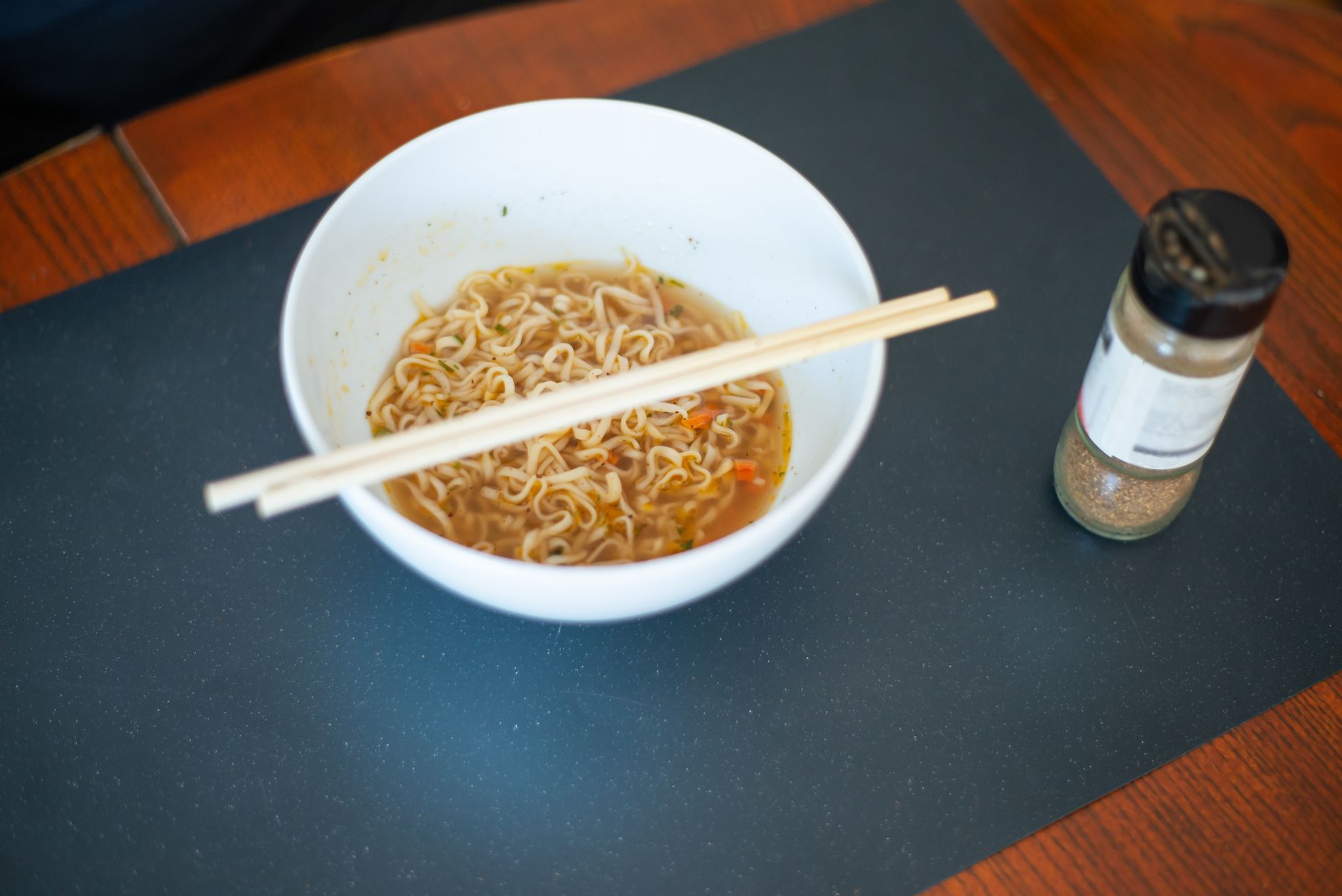
Ramen, a beloved dish originating from Japan, has gained immense popularity worldwide. However, many people question its health implications and whether it can fit into a nutritious diet. This article explores the nutritional aspects of ramen, portion sizes, and other important considerations to help you understand whether ramen is truly unhealthy.
Despite its delicious flavor and comforting texture, the healthiness of ramen often depends on the specific type and preparation. Let’s delve into the various factors that influence the nutritional value of this iconic noodle dish.
Is Ramen Unhealthy?
Yes, ramen can be unhealthy, particularly instant ramen varieties, which are often high in sodium, preservatives, and artificial additives. However, homemade ramen and its variations can be made healthier by utilizing fresh ingredients and controlling portion sizes.
Nutritional Breakdown of Ramen
To assess whether ramen is unhealthy, it’s essential to look at its nutritional components, including carbohydrates, proteins, fats, and sodium.
1. Carbohydrates
Ramen noodles are primarily made from wheat flour, which means they are rich in carbohydrates. While carbs are a crucial energy source, excessive consumption can lead to weight gain, especially if not balanced with physical activity. One serving of instant ramen usually contains around 40-50 grams of carbohydrates.
2. Protein
Traditional ramen may contain some protein depending on the broth and toppings used, such as egg, meat, or tofu. However, instant ramen typically offers minimal protein, about 7-10 grams per serving. Adding protein-rich toppings can enhance the nutritional value of the dish.
3. Fats
Most ramen noodles contain some fats, primarily from the frying process used in instant varieties. While some fats are necessary for optimal body function, excessive amounts of saturated fat can lead to health risks. Homemade ramen allows for the use of healthier oils and toppings that can improve the overall fat profile.
4. Sodium
The most concerning aspect of ramen, especially instant varieties, is the sodium content. A single serving can have anywhere from 800 to 1,200 milligrams of sodium, which is significant considering the recommended daily limit is around 2,300 milligrams for most adults. High sodium intake can lead to increased blood pressure and increased risk of heart disease.
Portion Sizes and Serving Suggestions
Portion sizes play a crucial role in determining whether ramen can be included in a healthy diet. Here are some guidelines to consider:
- Stick to one serving of noodles (typically 85 grams dry) to manage carbohydrate intake.
- Add plenty of vegetables to increase fiber and nutrient content without significantly increasing calorie intake.
- Incorporate a source of protein, such as eggs, chicken, or tofu, to create a more balanced meal.
- Be cautious with the use of pre-packaged seasoning packets, as these can be high in sodium and additives.
Making Healthier Ramen Choices
To enjoy ramen while maintaining a healthy lifestyle, consider the following approaches:
1. Choose Whole Grain or Alternative Noodles
Whole grain ramen noodles provide more fiber and nutrients compared to regular wheat noodles. Additionally, you can explore alternatives such as buckwheat noodles (soba), rice noodles, or even spiralized vegetables for a gluten-free option.
2. Prepare Homemade Broth
Instead of using store-bought broth, which may contain preservatives and high sodium levels, making your broth from scratch allows you to control the ingredients and flavor profile. Start with simple stock made from vegetables or bones and flavor it with natural herbs and spices.
3. Load Up on Vegetables
Fresh vegetables can be added to ramen for added nutrients and volume. Consider adding spinach, bok choy, mushrooms, carrots, or other vegetables you enjoy. This not only improves the nutritional profile but also adds color and texture to the dish.
4. Optimize Your Protein Choices
Choosing lean sources of protein can make your ramen healthier. Options like grilled chicken, shrimp, or a soft-boiled egg can enhance the dish’s nutritional value while keeping calorie content in check.
Considerations for Instant Ramen
Instant ramen is convenient but can be less than ideal for a nutritious diet. Here are tips to make instant ramen a healthier meal:
- Reduce the amount of seasoning used from the packet to lower sodium intake.
- Add fresh ingredients, such as vegetables or eggs, to enhance flavor and nutrition.
- Opt for low-sodium broth or make your own to control salt content.
- Consider pairing instant ramen with a side of salad or fruit to balance the meal.
Common Mistakes When Preparing Ramen
Even when attempting to make healthier ramen, it’s easy to make common mistakes. Here are some pitfalls to avoid:
1. Overcooking Noodles
Overcooked noodles can become mushy and loses their texture. Always follow package instructions for cooking times, and taste your noodles for the perfect al dente texture.
2. Ignoring Sodium Content
Many overlook the sodium content in seasoning packets or sauces. Opt for lower-sodium options and be mindful of how much you add to your dish.
3. Lack of Balance
A common mistake is not balancing the meal with protein and vegetables. To create a satisfying dish, aim for at least one protein source and several vegetable varieties.
Storage and Reheating Guidelines
If you have leftover ramen or broth, proper storage is essential for food safety and quality. Follow these guidelines:
- Store leftover broth and noodles separately in airtight containers in the refrigerator for up to three days.
- For longer storage, you can freeze the broth. It is recommended to consume frozen broth within 2-3 months.
- When reheating, ensure that broth reaches a minimum temperature of 165°F (74°C) to be safe for consumption.
Ramen in Cultural Context
Ramen is not only a popular dish but also an integral part of Japanese culture. Different regions have their unique styles and flavors, which can influence the health attributes of the dish. Exploring these variations can also provide inspiration for making nutrient-dense ramen at home.
1. Tonkotsu Ramen
This rich pork bone broth is creamy and flavorful but can be high in fat. Opting for a lighter broth or using leaner cuts of pork can help balance the dish.
2. Shoyu Ramen
A soy sauce-based broth with lighter flavors, shoyu ramen can be a healthier option. Increasing the vegetable content can enhance its nutritional value.
3. Miso Ramen
Made from fermented soybeans, miso can provide health benefits such as improved gut health. However, balance it with fresh ingredients and proteins for a complete meal.
Wrapping Up the Ramen Debate
Ramen’s healthfulness often comes down to preparation and ingredients. While instant ramen may be high in unhealthy components, making a conscious effort to create a balanced homemade version can transform this dish into a nutritious meal.
Enjoy ramen mindfully by choosing the right ingredients and controlling portion sizes. Being aware of the sodium and fat content while enriching your dish with fresh vegetables and protein can help you savor this delicious dish without compromising your health.
If you’re looking to experiment with ramen, consider trying out a creamy ramen recipe or discover a new way to enjoy noodles with a ramen salad recipe.