
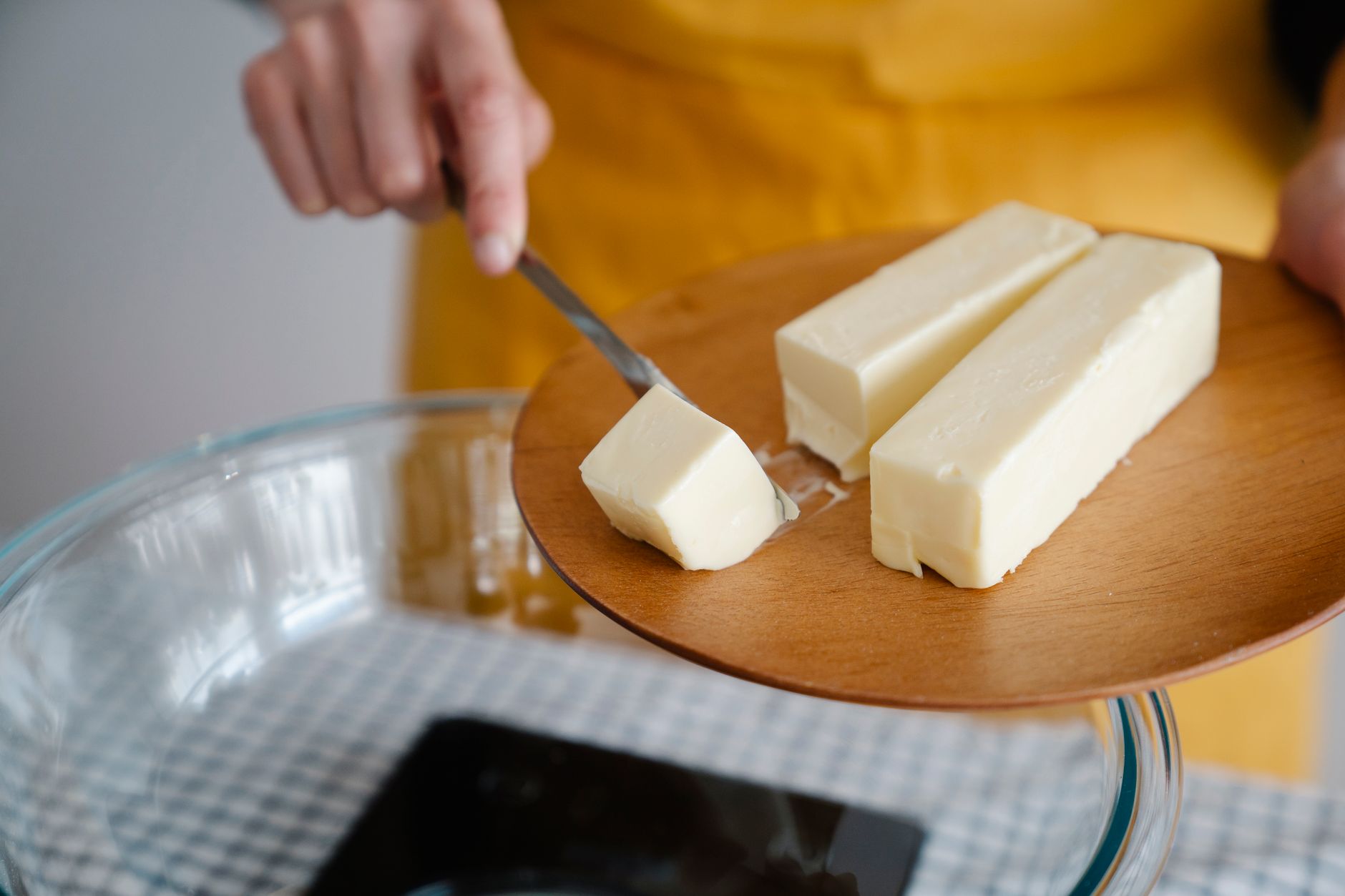
When you’re baking a cake that calls for oil, you might wonder how much butter you can use instead. Butter can enhance the flavor and richness of your cake, but substituting it for oil requires some precision. Understanding the proper amount to swap can help elevate your dessert while maintaining its intended texture and moisture.
This article will guide you through the process of substituting butter for oil in cake mixes, offering advice on ratios, flavor impacts, and other helpful tips to ensure your cake turns out beautifully every time.
How Much Butter to Substitute for Oil in Cake Mix?
The general rule of thumb for substituting butter for oil in cake mix is to use a ratio of 1:1. However, since butter contains about 15% water while oil is 100% fat, it’s often suggested to use slightly less butter. A common recommendation is to use ¾ of a cup of butter for every cup of oil specified in a recipe. This slight adjustment will yield a cake that retains its moisture and achieves the desired texture.
Why Substitute Butter for Oil?
Using butter instead of oil can add rich flavor to your baked goods. Butter provides a unique taste that is often associated with comfort foods and traditional baking. Additionally, butter can help your cake develop a slightly denser, crumbly texture, which some bakers prefer over the lighter, moister crumb that oil provides. Understanding these differences can help you make a more informed decision about which fat to use in your cake mix.
Understanding Flavor and Texture Impacts
Before diving into specific substitution methods, it’s essential to discuss how these ingredients affect your cake’s final flavor and texture. Butter has a distinct, creamy flavor that can enhance the overall taste of your cake, while oil tends to be neutral. When you substitute butter for oil, you’re likely to notice a richer flavor profile.
In terms of texture, cakes made with oil tend to be moister due to the absence of water content in oil. This is especially important for cakes like carrot cake or chocolate cake, which benefit from a moist crumb. When using butter, the resultant cake may have a slightly drier crumb, so keeping an eye on baking times can be crucial.
How to Substitute Butter for Oil: Step-by-Step Guide
- Choose Your Butter: Start by selecting unsalted butter for your recipe, as it allows you to control the saltiness of your cake more effectively.
- Measure Incorrectly: Use a kitchen scale or measuring cup to ensure you have the correct amount. For each cup of oil, use ¾ cup of butter.
- Melting the Butter: Depending on your recipe, you may want to melt your butter before adding it to the cake mix. Melted butter can mimic the consistency of oil and help create a uniform mix.
- Mixing with Other Ingredients: When substituting butter for oil, add the melted butter to the wet ingredients of your cake mix ensuring it is well incorporated.
- Monitor Baking Time: Keep an eye on your cake as it bakes. Cakes made with butter may cook faster or require additional time. Use a toothpick to test for doneness.
Practical Tips for Successful Baking
- Room Temperature: If using softened butter, ensure it is at room temperature for easy mixing.
- Whipping Butter: If using softened butter, consider whipping it with sugar before adding other ingredients to incorporate air, which helps leaven the cake.
- Monitor Texture: Your batter might look slightly different when using butter, so adjust mixing times if necessary.
- Adjust Other Ingredients: If your cake still appears too thick, consider adding a few tablespoons of milk or water to balance the moisture.
- Baking Powder and Baking Soda: Ensure you have enough leavening agents in your recipe, especially if you’re using a denser fat like butter.
Common Mistakes When Substituting
Even experienced bakers can make mistakes when substituting fats in baking. Here are some pitfalls to avoid:
- Not Adjusting for Water Content: As previously mentioned, the water content in butter can impact the cake’s moisture. Be mindful of how this substitution may affect your recipe.
- Overmixing the Batter: Mixing too much can lead to a dense cake. Mix until just combined for the best results.
- Ignoring Texture Differences: Remember that cakes made with butter may dry out quicker than those made with oil, so monitor baking times closely.
Further Variations and Substitutions
While butter can be a fantastic substitute for oil in cake mixes, there are other variations and substitutes you can consider if you’re looking to modify your cake’s flavor or dietary content:
1. Applesauce
Applesauce can be a great oil alternative for a lighter, healthier cake. Use ½ cup of applesauce for every cup of oil, as it works well in recipes like spice or carrot cakes. The flavor is subtle and adds moisture.
2. Greek Yogurt
Greek yogurt adds protein and moisture. A good rule of thumb is to substitute ⅓ cup of yogurt for every cup of oil. This will provide a slight tangy flavor, great for chocolate or lemon cakes.
3. Coconut Oil
Coconut oil can act as a 1:1 substitute for oil in cake mixes. It has a unique flavor that can enhance tropical or spiced cakes. Be aware, however, that solid coconut oil should be melted before incorporating it into your batter.
4. Vegetable Shortening
Vegetable shortening can replace oil at a 1:1 ratio. This can provide a tender crumb in your cake but may not add as much flavor as butter.
5. Avocado Puree
This is a nutritious option for oil substitution, with similar fat content. Use a ½ cup of avocado puree for each cup of oil. This provides healthy fats and a creamy texture while remaining neutral in flavor.
Making a Butter-based Cake Mix from Scratch
If you’re looking to create a cake with a butter base from scratch rather than substituting, here’s a fundamental recipe you can follow:
Ingredients
- 2 cups all-purpose flour
- 1 ½ cups granulated sugar
- ½ teaspoon baking powder
- 1 teaspoon baking soda
- ½ teaspoon salt
- 1 cup unsalted butter, softened
- 4 large eggs
- 1 teaspoon vanilla extract
- 1 cup buttermilk or milk
Instructions
- Preheat your oven to 350°F (175°C) and prepare two 9-inch round cake pans by greasing and flouring them.
- In a mixing bowl, combine flour, baking powder, baking soda, and salt. Set aside.
- In a separate bowl, beat the softened butter with granulated sugar until light and fluffy.
- Add eggs one at a time, mixing well after each addition. Stir in the vanilla extract.
- Gradually add the flour mixture to the butter mixture, alternating with buttermilk, beginning and ending with flour. Mix until just combined.
- Divide the batter evenly between the prepared pans and smooth out the tops.
- Bake for 25-30 minutes, or until a toothpick inserted in the center comes out clean. Allow to cool before serving.
Storing and Reheating Cakes
Proper storage can prolong your cake’s freshness:
- Room Temperature: Store cakes covered at room temperature for up to 3 days.
- Refrigeration: For extended freshness, refrigerate your cake for up to a week. Cover it properly to avoid drying out.
- Freezing: You can freeze cakes for up to three months. Ensure they are tightly wrapped to prevent freezer burn.
- Reheating: To serve a refrigerated or frozen cake, let it come to room temperature. You can lightly warm it in the microwave if desired but avoid overheating.
Conclusion
Substituting butter for oil in cake mixes is a straightforward process, but understanding the right ratios and implications can make a significant difference in the final product. With the right adjustments, you can enjoy a richer flavor and a delightful crumb in your cakes. Always remember to monitor the baking process if you’re experimenting with different fat sources.
For more inspiration, explore our recipes for banana bread and cinnamon rolls. Each recipe brings unique flavors and techniques to your kitchen!