
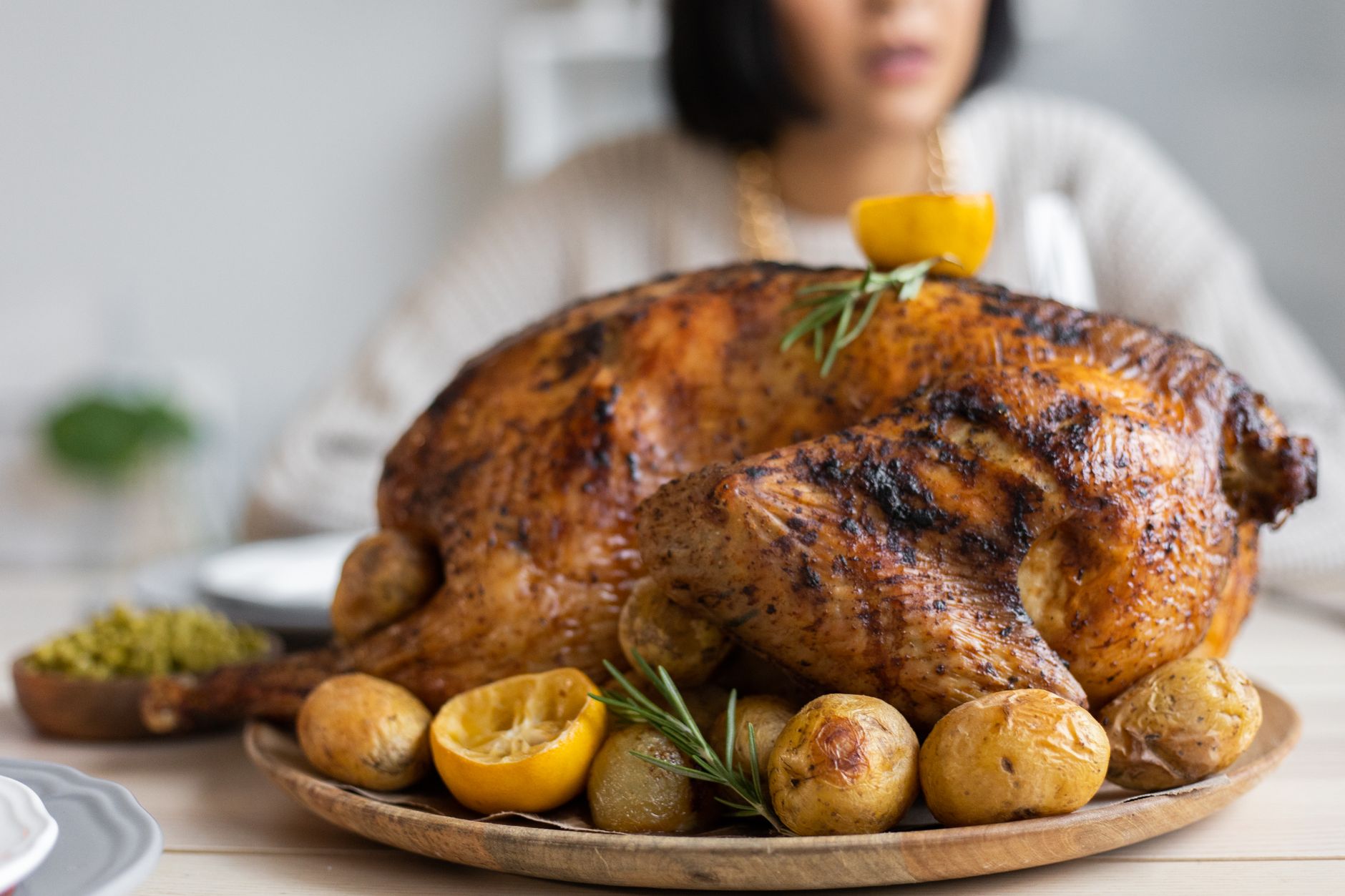
Planning a large gathering often comes with the challenge of figuring out how much food to prepare. When it comes to serving turkey for a holiday feast or family meal, many people find themselves asking, “How many people will a 20-pound turkey feed?” Understanding the answer to this question can help you avoid wasting food or leaving your guests hungry.
The feeding capacity of a 20-pound turkey largely depends on the type of meal you’re serving, how large your guests’ appetites are, and whether there will be other dishes available. In this article, we will explore the factors that influence turkey portions, provide guidelines on portion sizes, and offer tips for meal planning to help you create the perfect festive spread.
How Many People Will a 20 Pound Turkey Feed?
A 20-pound turkey generally feeds between 12 to 16 people if you anticipate serving other side dishes. If turkey is the primary component of the meal with fewer side items, it could feed up to 10 to 12 people. Portion sizes will vary, with some leaving room for leftovers, which many people look forward to.
Understanding Turkey Portions
When planning your menu, consider these three key guidelines for turkey portions:
- General Guidelines: The typical rule of thumb is about 1 to 1.5 pounds of turkey per person. This includes bone weight, which accounts for the fact that not all of the turkey is eaten.
- Children vs. Adults: If children will be part of your gathering, you can often reduce the portion size, as kids typically eat less than adults. Plan on serving about 0.5 to 1 pound for children under 12.
- Buffet vs. Sit-Down Meal: If you’re serving a buffet-style meal with multiple dishes, you may find that your guests will take less turkey since they will be sampling a variety of options. In a sit-down dinner, guests may take larger portions.
Factors Influencing Portion Sizes
Understanding the variables that influence how much turkey you’ll need can help you make informed choices:
1. Appetite Levels
The appetite of your guests plays a significant role. Some may come ready to feast, while others might be less hungry. Consider your guests’ preferences when planning the meal.
2. Dietary Restrictions
Be mindful of any dietary restrictions your guests may have. If several guests are vegetarian or avoiding poultry, it might affect how much turkey you need to prepare.
3. Variety of Dishes
A varied menu can significantly reduce the amount of turkey needed. Offering an array of appetizers, sides, and desserts means that your guests will likely eat less meat. Traditional sides like stuffing, gravy, roasted vegetables, and cranberry sauce complement turkey well.
4. Leftovers
Most guests appreciate leftovers, especially when it comes to turkey. Plan for extra servings, as turkey can be used in soups, sandwiches, and salads after the initial meal.
Calculating Portions Based on Meal Type
Breaking down how much turkey to prepare based on meal type can make planning simpler:
Formal Sit-Down Dinner
For a formal dinner where turkey is the main course and served alongside a few sides, aim for 1.5 pounds per adult. With this in mind, a 20-pound turkey can comfortably serve about 10 to 12 adults. It’s always better to err on the side of caution and prepare a bit more.
Casual Buffet Style
In a buffet meal where guests help themselves and serve a variety of dishes, you can anticipate approximately 1 pound of turkey per adult. This would mean your 20-pound turkey can serve about 15 to 20 adults in a buffet setting.
Combination Meals
If your gathering features a mixture of heavy appetizers and several sides, aim for around 0.75 to 1 pound per adult. This approach could stretch your 20-pound turkey meal to 20 servings or more.
How to Prepare and Cook a 20-Pound Turkey
Cooking a 20-pound turkey requires some preparation and attention to detail to ensure it’s flavorful and cooked properly. Here are the steps you need to take:
Preparing the Turkey for Cooking
- Thawing: If your turkey is frozen, it’s essential to thaw it. A general guideline is 24 hours of thawing time in the refrigerator for every 4-5 pounds of turkey. Therefore, a 20-pound turkey requires about 4 to 5 days to thaw in the refrigerator.
- Brining (Optional): Consider brining the turkey to add flavor and keep it moist. There are wet and dry brining methods. Wet brining requires submerging the turkey in a salted water solution, while dry brining involves rubbing salt directly on the turkey and letting it rest in the refrigerator for 24 to 48 hours.
- Seasoning: Before cooking, use a mix of herbs and spices to season the turkey. Common ingredients include salt, pepper, garlic powder, onion powder, and herbs like rosemary, thyme, and sage.
- Stuffing: If you choose to stuff your turkey, do so just before roasting to reduce the risk of bacterial growth. Use cooked ingredients to minimize food safety risks.
Cooking the Turkey
- Preheat the Oven: Set your oven to 325°F (163°C). Keeping a consistent temperature ensures even cooking.
- Cooking Time: A general rule of thumb is to cook the turkey for about 13 to 15 minutes per pound. This means a 20-pound turkey will require approximately 4 to 5 hours of cooking time.
- Check Doneness: To ensure your turkey is cooked safely, use a meat thermometer. The internal temperature should reach 165°F (74°C) in the thickest parts of the breast and thigh.
- Resting: Once cooked, let the turkey rest for at least 20 to 30 minutes before carving. This helps retain juices for a more flavorful turkey.
Common Mistakes to Avoid
Here are some common mistakes people make when preparing turkey, and how to avoid them:
- Not Thawing Properly: Ensure your turkey is fully thawed before cooking to avoid uneven cooking. Always thaw in the refrigerator, not at room temperature.
- Skipping the Thermometer: A meat thermometer is crucial for ensuring your turkey has reached a safe temperature. Relying solely on cooking time can lead to undercooked or dry turkey.
- Ignoring Rest Time: Cutting into a turkey right after taking it out of the oven can cause juices to leak out, leading to dry meat. Always allow resting time.
- Overstuffing: If you choose to stuff your turkey, remember that overstuffing can lead to uneven cooking and may take longer to reach safe temperatures.
Storage and Reheating Tips
After your meal, proper storage of leftovers is essential:
- Storage: Once cooled, store leftover turkey in airtight containers or wrapping within two hours of cooking. Refrigerate for up to 4 days or freeze for longer storage.
- Reheating: To reheat turkey, use the oven for the best results. Preheat to 325°F (163°C) and add a splash of broth or water to keep the turkey moist. Cover with foil to prevent drying out, and check that the internal temperature reaches 165°F (74°C).
Menu Planning with Turkey
Creating an organized menu can help you plan your gathering effectively:
Sample Menu Ideas
Here are a few sample menus that include a 20-pound turkey and other complementary dishes:
- Traditional Thanksgiving Dinner:
- Roasted 20-pound turkey
- Stuffing
- Mashed potatoes with gravy
- Green bean casserole
- Cranberry sauce
- Pumpkin pie
- Casual Family Gathering:
- Smoked turkey
- Coleslaw
- Potato salad
- Homemade biscuits
- Apple pie
Making the Most of Leftovers
Leftover turkey can be creatively transformed into various dishes. Here are a few ideas:
- Turkey Sandwiches: Layer turkey with your choice of toppings between slices of bread or in a wrap. Add cranberry sauce or mayo for extra flavor.
- Turkey Soup: Use the carcass to make a rich broth, then add vegetables and leftover turkey for a hearty soup.
- Turkey Salad: Mix chopped turkey with yogurt or mayo, add diced celery and grapes for a refreshing turkey salad.
Using the right strategies and understanding portion sizes will ensure your gathering is a success. Planning for a 20-pound turkey can feed a sizable group while leaving room for delicious leftovers. Make sure to keep track of your guests’ preferences and dietary needs, and you’re sure to create a wonderful meal that everyone will enjoy.
If you’re interested in learning more about turkey cooking times, don’t miss our guide on how long to cook turkey per pound. Also, consider making some homemade broth with leftover carcasses with our turkey broth recipe.