
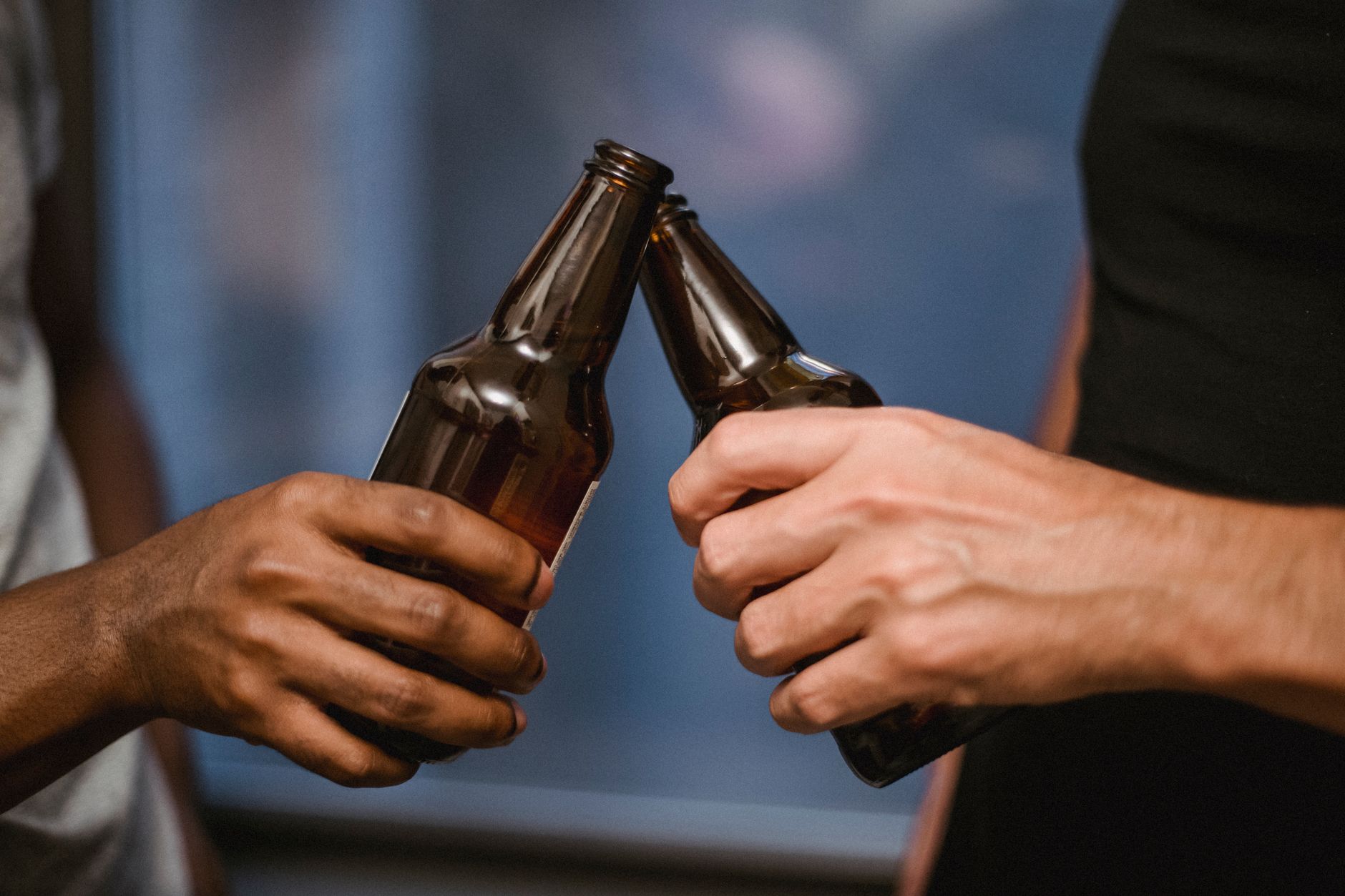
When it comes to enjoying a refreshing beer, knowing the volume is essential for serving and pairing with food. Beer comes in various bottle sizes, and understanding how many ounces are in a beer bottle helps in planning gatherings, cooking with beer, or simply sharing a drink with friends.
This guide will provide a comprehensive look at the standard ounces found in beer bottles, conversions, and practical tips on measuring drinks accurately. Ready to pop the cap on knowledge? Let’s dive in.
How Many Oz in a Beer Bottle?
The standard beer bottle size in the United States is 12 fluid ounces. However, beer bottles are available in several other sizes, including 16 oz, 22 oz, and 750 ml for specialty beers. Understanding these measurements will help you navigate different types of beers effectively.
When planning to serve beer or use it in recipes, knowing the volume can assist with portion control and recipe adjustments.
Standard Beer Bottle Sizes Explained
Beer bottles come in various sizes, each serving unique purposes. Here are the most common beer bottle sizes you might encounter:
- 12 oz Bottle: This is the most commonly found beer bottle size in stores and bars, typically used for lagers and ales.
- 16 oz Can or Bottle: Often seen in craft beers and some lagers, the 16 oz option is popular for its larger serving size, particularly at events.
- 22 oz Bottle: Known as “bombers,” these bottles are frequently used for craft or special release beers and are meant for sharing.
- 750 ml Bottle: Commonly used for high-end or specialty beers, particularly Belgian-style ales. This size equals about 25.4 oz, making it suitable for groups.
Converting Beer Bottle Sizes to Ounces
When dealing with various beer sizes, knowing how to convert them into ounces can come in handy, especially for calculating servings and recipes. Here are some common conversions:
- 1 fluid ounce = 29.57 milliliters
- 12 oz bottle = 355 ml
- 16 oz beer can/bottle = 473 ml
- 22 oz bottle = 651 ml
- 750 ml bottle = 25.4 oz
To convert milliliters to ounces, divide the number of milliliters by 29.57. For example, to convert 500 ml to ounces:
(500 ml) ÷ (29.57) = 16.91 oz
Measuring Beer Accurately
Measuring beverages accurately is essential for serving and cooking. Here are some practical tips for measuring beer effectively:
- Use a Jigger: For precise measurements, use a jigger—a bar tool that helps measure small volumes of liquor or beer accurately.
- Use a Measuring Cup: For larger volumes, a liquid measuring cup can help measure beer for cooking or mixing.
- Pay Attention to Bubbles: When pouring beer, allow room for bubbles, as the foam can affect the total volume.
Cooking with Beer: Volume Considerations
Beer can be a flavorful addition to many recipes, whether grilled dishes, stews, or baked goods. Here’s how to consider beer volume when cooking:
- Adapt Quantities: When substituting beer for another liquid in a recipe, ensure you consider the volume differences. For example, if a recipe calls for 1 cup of broth, you can replace it with 1 cup of beer.
- Flavor Impact: Different beer types impart varying flavors to dishes. A stout might add a distinct roasted flavor, while a lager is lighter and crisper.
- Alcohol Content: Remember that some alcoholic content may not completely evaporate when cooked, especially in longer cooking methods. Adjust accordingly for dietary needs.
Common Beer Cooking Techniques
Incorporating beer into your cooking can be fun and delicious. Here are some common cooking techniques that benefit from beer:
- Marinades: Use beer as a base for marinades. The maltiness breaks down proteins, tenderizing meats while adding flavor.
- Slow Cooking: Adding beer to stews or braises enhances the depth of flavor. For example, a stout beef stew gains richness and complexity.
- Beer Batter: Mixing beer into batters can create a light, crispy texture, perfect for fried foods like fish or onion rings.
Beer Pairing Guide
When serving beer, pairing it wisely with food can enhance the dining experience. Consider the following types of beer and their food pairings:
- Lager: Pairs well with grilled meats, spicy foods, and seafood dishes.
- IPA: Great with spicy dishes, rich cheeses, and spicy Asian cuisine.
- Stout: Best matched with chocolate desserts, rich meats, and strong cheeses.
- Wheat Beer: Complements lighter fare such as salads, seafood, and citrus-based dishes.
Advantages of Different Beer Sizes
Considering different beer bottle sizes can impact portioning and sharing. Here are some advantages:
- 12 oz Bottles: Ideal for individual servings, making them convenient for casual gatherings.
- 16 oz Bottles: Great for bigger thirsts, perfect for barbecues and events where guests may want more.
- 22 oz Bombers: Best suited for sharing—good conversations often involve sharing rich, flavorful beers.
- 750 ml Bottles: Perfect for celebratory occasions like parties or wine-style pairings with meals.
Common Mistakes with Beer Measurements
When measuring beer, it’s easy to make mistakes. Here are some common pitfalls and how to avoid them:
- Pouring Too Quickly: Rapid pouring can cause excessive foam. For optimal results, tilt the glass and pour slowly.
- Ignoring Differences in Volume: Be aware of the specific beer bottle size being used. Not all bottles are 12 oz, so always check.
- Estimating Volumes: Always measure precisely, especially when using beer in recipes or when planning portion sizes.
Storage Tips for Beer
To maintain the quality of your beer, proper storage is crucial. Here are some tips:
- Keep it Cool: Store beer in a cool, dark place to prevent spoilage from light and heat.
- Upright Storage: Store bottles upright to minimize the surface area exposed to oxygen.
- Check Expiration Dates: Pay attention to the freshness of your beer, as both taste and quality can diminish over time.
Conclusion
Understanding how many ounces are in different beer bottle sizes is not only helpful for serving but also for cooking and pairing food. Whether you’re hosting a gathering or looking to add flavor to your dishes, knowing your beer measurements can enhance your experiences.
Next time you’re buying beer for a barbecue or considering a recipe with beer as an ingredient, keep these size insights in mind!
For more delicious ideas to elevate your meals, explore our beer can chicken recipe or discover specific beer recommendations at our Bud Light guide.