
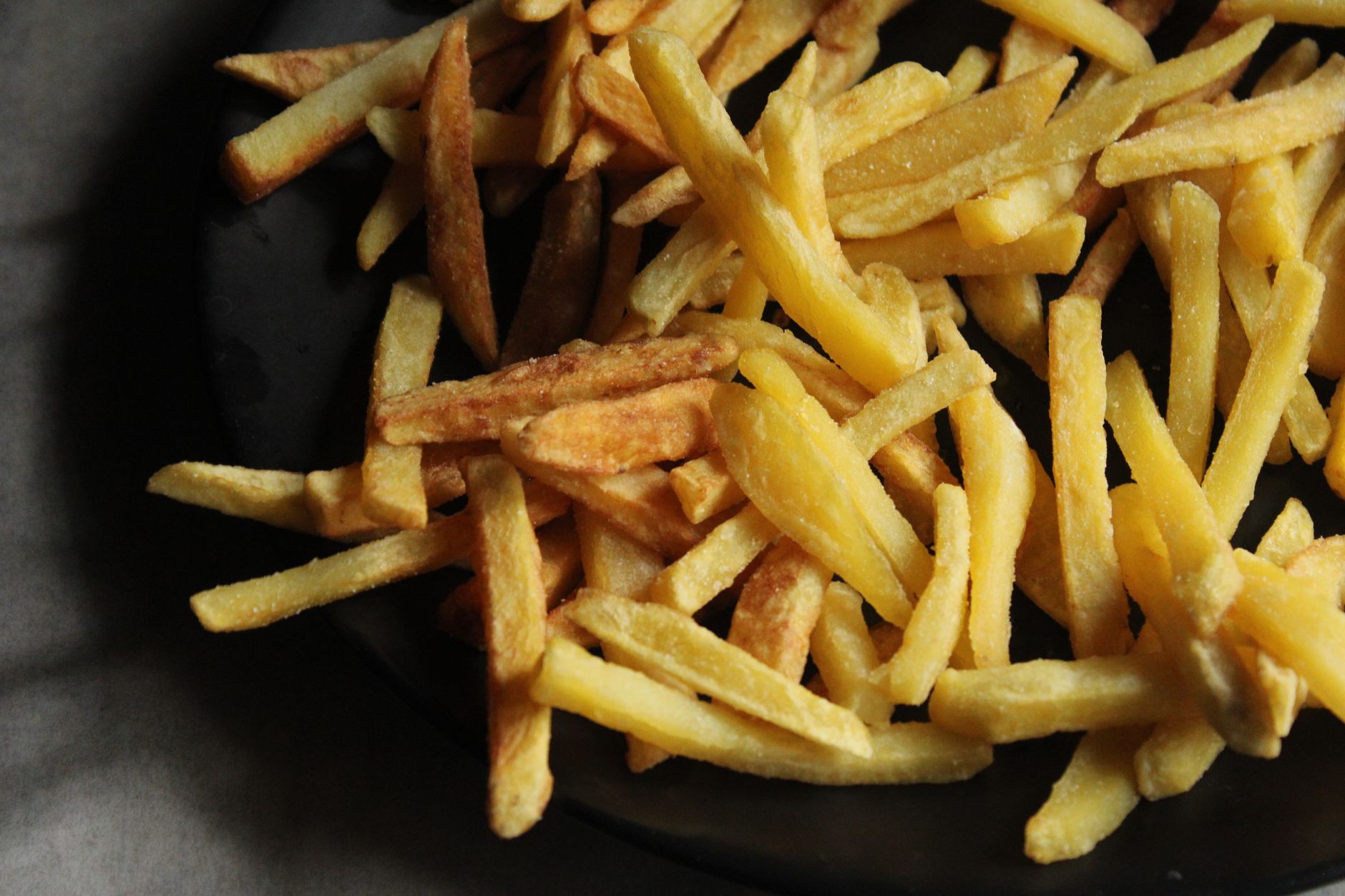
McDonald’s fries are a beloved fast-food staple known for their golden color, crispy texture, and satisfying taste. Many fans find themselves wondering what exactly goes into these popular fries. Understanding the ingredients and preparation can give insight into their taste and perhaps inspire homemade variations.
This article delves into the components of McDonald’s fries, their preparation methods, and even how to recreate a similar taste at home. By the end, you’ll have a thorough understanding of what makes these fries so special.
What Are McDonald’s Fries Made Of?
McDonald’s fries are primarily made from potatoes, vegetable oil, and a blend of seasonings for flavor. The selection of ingredients and the cooking process contribute to their unique taste and texture.
Ingredient Breakdown
To fully appreciate McDonald’s fries, it helps to explore their individual ingredients:
- Potatoes: The main ingredient, typically sourced from specific potato varieties known for their high starch content which yields a fluffy interior.
- Vegetable Oil: McDonald’s primarily uses canola oil, though sometimes a blend of other oils like soy oil and hydrogenated oils is included.
- Natural Beef Flavor: This ingredient is often highlighted in discussions around the flavor of the fries, giving them a distinct taste.
- Salt: Essential for seasoning, McDonald’s fries are generously salted after cooking.
- Dextrose: A form of sugar that can help achieve the golden color during frying.
- Sodium Acid Pyrophosphate: This may be added for color maintenance and to prevent discoloration of the fries.
- Preservatives: Some preservatives may be included to enhance shelf life.
Preparation Method
The preparation of McDonald’s fries is an elaborate process that contributes to their iconic taste. Below are the broad steps involved:
- Selection and Slicing: Potatoes chosen for their ideal frying characteristics are washed, peeled, and cut into uniform fry shapes.
- Blanching: The cut potatoes are blanched in hot water, partially cooking them to ensure even frying and to remove excess starch.
- Freezing: The blanched fries are then flash-frozen to preserve their quality before being sent to restaurants.
- Frying: When ordered, the fries are deep-fried in hot vegetable oil until they achieve a golden color and crispy texture.
- Seasoning: Finally, salt is added immediately after frying, ensuring it adheres well to the hot fries.
Creating Homemade McDonald’s Style Fries
For those who want to mimic the taste of McDonald’s fries at home, follow these guidelines for preparation:
Ingredients Needed:
- 2 large russet potatoes
- 4 cups vegetable oil (for frying)
- 1 tablespoon dextrose (or sugar substitute)
- Salt to taste
Essential Equipment:
- Sharp knife or cutting machine
- Large bowl for soaking
- Deep fryer or heavy-bottomed pot
- Thermometer (to monitor oil temperature)
- Slotted spoon or frying basket
- Paper towels for draining
Steps to Make Homemade Fries:
- Prep Potatoes: Wash, peel, and cut your potatoes into fry-shaped pieces, aiming for even sizes to ensure consistent cooking.
- Soak in Water: Place the cut fries in cold water for at least 30 minutes. This helps remove excess starch, aiding in crispiness.
- Dry Thoroughly: After soaking, dry the fries well with paper towels to minimize oil splatter and ensure proper frying.
- Heat Oil: In a deep fryer or pot, heat the oil to around 350°F (175°C). Use a thermometer to maintain this temperature for best results.
- Fry in Batches: Fry the potatoes in small batches to prevent the oil temperature from dropping. Cook for about 3-4 minutes until lightly golden.
- Cooling and Second Fry: Remove the fries and let them cool for a few minutes. For extra crispiness, fry them again for an additional minute or two until golden brown.
- Add Flavor: Remove the fries from the oil and immediately sprinkle salt and a pinch of dextrose over them to enhance the flavor.
Tips for Success
To achieve the best results when making fries at home, consider the following tips:
- Choosing the right potato, like russets, is crucial. They have a high starch content which creates that fluffy interior.
- Consistency in cutting will ensure even cooking, so using a fry cutter can assist if available.
- Do not rush the soaking step; the longer they soak, the better the likelihood of achieving crispiness.
- Monitor the oil temperature carefully, as fries cooked at too-low temperatures can turn out soggy.
Common Mistakes to Avoid
When making fries, several pitfalls can derail your efforts:
- Skipping the soaking step can result in soggy fries due to excess starch.
- Overcrowding the fryer can lead to uneven cooking and greasy fries.
- Not drying the fries thoroughly before frying may cause excess splattering and less crispy texture.
Storage and Reheating Guidance
If you’ve made more fries than you can eat, storing them correctly is essential for maintaining their taste and texture:
- Storage: Allow the fries to cool completely before sealing them in an airtight container. Store them in the refrigerator for up to 3 days.
- Reheating: For the best texture, reheat the fries in an oven at 400°F (200°C) for about 10-15 minutes until crispy, rather than microwaving them.
Exploring Variations
While the classic version of McDonald’s fries is beloved, there are numerous variations you can try, such as:
- Loaded Fries: Top your fries with cheese, jalapeños, or bacon for a more filling snack.
- Chili Cheese Fries: Add a hearty chili and melty cheese for a comfort food twist.
- Seasoned Fries: Experiment with different seasonings, such as garlic powder, onion powder, or specific spice blends.
Comparing McDonald’s Fries with Other Fast Food Fries
When discussing fast food fries, it’s interesting to compare McDonald’s fries to those from other popular chains. Here’s a general comparison:
| Chain | Texture | Taste | Cooking Method |
|---|---|---|---|
| McDonald’s | Crispy, fluffy interior | Salty, beefy flavor | Fried from frozen |
| Wendy’s | Crispy, thicker | Potato-forward, slightly sweet | Fresh-cut, fried |
| Burger King | Crispy, noticeably thicker | Salty, savory | Fried from fresh cut |
The Cultural Impact of McDonald’s Fries
McDonald’s fries have made a significant cultural impact worldwide. They are often seen as a quintessential part of the fast-food experience and have sparked endless debates about the best way to enjoy them—a dipping sauce, perhaps?
Considering their unique flavor profile and addictive texture, it’s no wonder they’ve become a global phenomenon. They serve not just as a side dish, but as a standalone snack embraced in many culinary variations across different cultures.
Exploring Further Recipes
If you’re intrigued by the idea of loaded or chili cheese fries, these recipes can expand your culinary skills:
Understandably, the allure of McDonald’s fries continues to endure. Whether you choose to enjoy them in their original format or experiment with homemade variations, knowing the ingredients and preparation methods adds another layer of enjoyment to your culinary experience.