
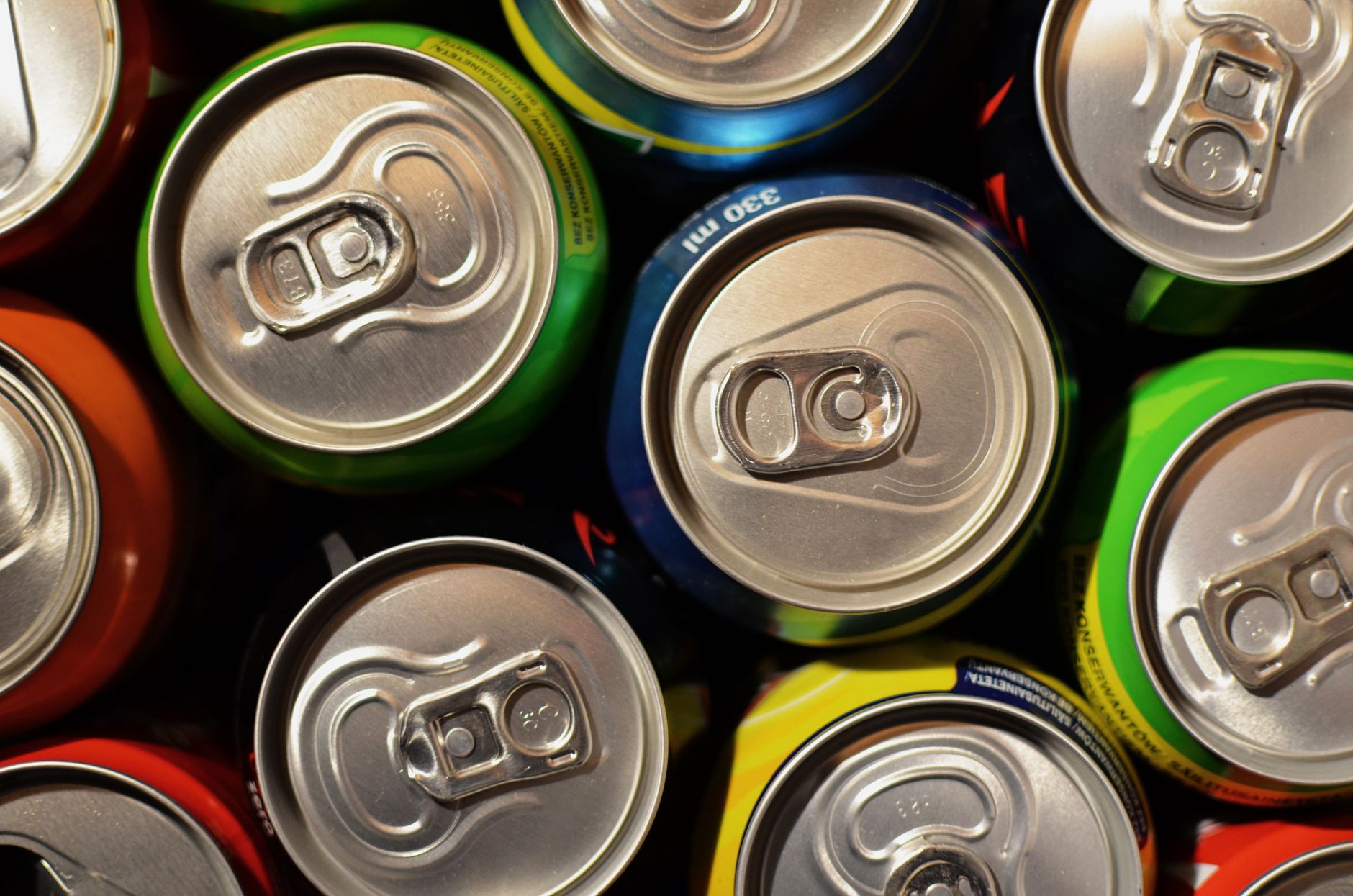
Understanding the various facets of alcohol in cans can enhance your dining and entertainment experiences. As more people seek convenient and portable options, canned alcohol has become increasingly popular. This guide will explore alcohol can varieties, alcohol content, serving sizes, and more, making it easier for you to choose the right drink for any occasion.
From hard seltzers to canned cocktails, knowing the distinctions between different types of alcohol cans is crucial. Not only will this knowledge help optimize flavor profiles in your meals and pairings, but it will also ensure you serve appropriate servings based on alcohol content. Dive deeper into the world of canned alcohol with this comprehensive guide.
What Are Alcohol Cans and Why Are They Popular?
Alcohol cans refer to beverages packaged in aluminum or steel containers that typically hold various alcoholic drinks. The rise in their popularity can be attributed to several factors, including convenience, portability, and a variety of flavors. Canned drinks are easy to transport, making them a perfect choice for outdoor activities, parties, or casual hangouts.
These cans also help maintain freshness due to their airtight seal and protection from light, which can degrade the quality of the drink inside. With the wide range of options available—from unique craft cocktails to traditional beers and spirits—canned alcohol now appeals to diverse preferences and lifestyles.
Types of Alcohol Cans
When it comes to canned alcoholic beverages, there are several popular types to consider:
- Canned Beers: These are the most traditional form of canned alcohol. They include various styles such as lagers, ales, and IPAs, with many breweries offering unique flavors and seasonal varieties.
- Hard Seltzers: Sparkling water mixed with alcohol and flavoring, hard seltzers are lower in calories and carbs, making them an appealing choice for health-conscious consumers.
- Canned Cocktails: Ready-to-drink cocktails that combine flavors like margaritas, mojitos, and gin and tonics. They provide a great alternative for those who want the experience without the mixing hassle.
- Wine Cans: Smaller servings of wine in cans make them an easy option for picnics or gatherings.
- Ready-to-Drink (RTD) Mixers: These are often pre-mixed drinks that are ready to consume, such as a whiskey cola or vodka tonic.
Canned Beers
Canned beers are still the most widely recognized form of alcohol in a can. They offer versatility in flavor and style, making them suitable for various occasions. Most canned beers are carbonated and have pronounced flavors ranging from hoppy to malty. Craft breweries have expanded the range significantly, introducing innovative styles such as fruit-infused or barrel-aged beers.
Hard Seltzers
Hard seltzers gained immense popularity due to their low-calorie count and refreshing taste. With many brands offering dozens of flavors, hard seltzers appeal to those looking for a lighter alcoholic option. They are typically gluten-free and have a lower alcohol content than standard beers, making them an appealing choice for casual drinkers.
Canned Cocktails
Canned cocktails are an excellent solution for social events where convenience is key. They can replicate the flavors of classic drinks or offer new signature combinations, often at lower prices than those found at bars. Popular options include classics like margaritas and cosmopolitans, as well as innovative blends like spicy ranch water or blue raspberry cooler.
Wine Cans
Wine cans are a perfect solution for picnics or outdoor occasions. Typically containing single servings or a couple of glasses, they come in various styles such as rosé, red, and white, catering to wine lovers seeking portability without sacrificing quality. Additionally, wine cans can often be more sustainable than traditional bottles due to easier recycling.
Ready-to-Drink Mixers
Ready-to-drink mixers offer convenience for fans of mixed drinks who prefer not to handle multiple ingredients. Available in combinations like vodka and cranberry or whiskey and ginger ale, these drinks provide instant satisfaction without the need for complex mixing or measuring.
Alcohol Content in Canned Drinks
Understanding the alcohol content in canned drinks helps consumers monitor intake and make informed choices. The alcohol by volume (ABV) percentage varies significantly across different types of canned beverages.
- Canned Beers: Generally, canned beers have an ABV between 4% to 6%, although craft beers can reach up to 10% or more.
- Hard Seltzers: Most hard seltzers range between 4% to 6% ABV, similar to lager beers.
- Canned Cocktails: The ABV for canned cocktails typically ranges from 5% to 12%, depending on the spirits used in the mix.
- Wine Cans: Wine in cans usually has an ABV similar to bottled wines, ranging from 12% to 14%.
- RTD Mixers: These beverages can range widely, with an ABV from around 5% to 10% or more depending on the spirits involved.
Serving Sizes and Recommendations
When consuming alcohol, understanding portion sizes is essential. Canned drinks often come in 12-ounce servings, but it’s not uncommon to find larger sizes, such as 16-ounce cans for beers or cocktails. Here are some helpful serving recommendations:
- One standard drink is considered to be 14 grams of pure alcohol, which typically equates to:
- 12 fluid ounces of beer (around 5% ABV)
- 5 fluid ounces of wine (around 12% ABV)
- 1.5 fluid ounces of distilled spirits (around 40% ABV)
- Be mindful when consuming higher ABV drinks. It’s essential to pace yourself, particularly when indulging in drinks like cocktails with a higher alcohol content.
- Hydration is also critical; for every alcoholic beverage, consume a glass of water to help mitigate the effects of alcohol.
Pairing Alcohol Cans with Food
When entertaining or planning meals, considering food and drink pairings can enhance the overall experience. Here are some pairing suggestions for various types of canned alcohol:
- Canned Beers: Complement hearty foods such as burgers, pizza, or barbecue. Hoppy IPAs work well with spicy dishes, while lighter lagers can balance out rich foods.
- Hard Seltzers: These work wonderfully with light, fresh dishes such as salads, seafood, and grilled vegetables. The refreshing taste helps cleanse the palate.
- Canned Cocktails: Pair with appetizers or light bites. For example, a margarita pairs beautifully with tacos or guacamole, while a canned mojito complements shrimp cocktails.
- Wine Cans: These can be served with a wide range of foods. Whites and rosés typically go well with lighter fare like salads and poultry, while red wines can enhance heartier dishes like beef or pasta.
- RTD Mixers: These can be fun to pair with casual snacks or party platters, working well with chips, dips, or charcuterie boards.
Cocktail Recipes Using Canned Alcohol
Canned alcohol can elevate the home-cocktail experience without the need for countless ingredients. Here are two popular and simple cocktail recipes using canned beverages.
Gold Rush Cocktail Using Canned Whiskey
The Gold Rush Cocktail is a modern classic that is easy to make and delicious. Follow this quick recipe using a canned whiskey for convenience.
Ingredients:
- 1 can of whiskey (12 oz)
- 3/4 oz fresh lemon juice
- 1/2 oz honey syrup (made by mixing equal parts honey and water)
Instructions:
- Pour the honey syrup and lemon juice into a shaker filled with ice.
- Add the canned whiskey and shake until well chilled.
- Strain into a rocks glass filled with ice and enjoy.
Tequila Sour Using Canned Tequila
The Tequila Sour is a fun twist on the classic whiskey sour, and it can also be prepared quickly using canned tequila.
Ingredients:
- 1 can of tequila (12 oz)
- 1 oz fresh lime juice
- 1/2 oz simple syrup (made by dissolving sugar in water)
Instructions:
- In a shaker filled with ice, combine the canned tequila, lime juice, and simple syrup.
- Shake vigorously until well chilled.
- Strain into a coupe glass and garnish with a lime wheel, if desired.
Common Mistakes with Canned Alcohol
While enjoying canned alcohol can be straightforward, there are pitfalls that consumers may encounter. Here are some common mistakes to avoid:
- Choosing the wrong type: Understanding flavor profiles and ABV can enhance your experience. For example, pairing a strong cocktail with spicy dishes may not provide the best combination.
- Overestimating serving sizes: Keep an eye on sizes to avoid overconsumption. Using standardized drink sizes can help keep intake in check.
- Ignoring expiration dates: Yes, canned alcohol can expire. Check dates on each can to ensure freshness and quality.
- Not refrigerating before serving: Enjoying canned alcohol chilled can significantly enhance taste. Be mindful to chill your cans sufficiently before serving.
Storing Canned Alcohol
Proper storage of canned alcohol is essential to preserve flavor and quality. Here are a few tips:
- Keep It Cool: Store your canned alcohol in a cool, dark place away from direct sunlight. High temperatures can affect the drink’s taste.
- Consume Within a Reasonable Timeframe: While canned drinks can last several months, it is generally best to consume them within a few months of purchase for optimal quality.
- Avoid Freezing: While it may be tempting to freeze canned drinks for a quick chill, this can affect carbonation and flavor.
Conclusion
Understanding the world of canned alcohol—its varieties, alcohol content, and serving sizes—allows you to make informed choices during meals and gatherings. With the convenience of canned drinks, exploring different flavors and pairings can lead to delightful culinary experiences.
Since every occasion can benefit from a refreshing drink, make sure to try out the Gold Rush cocktail or Tequila Sour using canned alcohol for simple yet flavorful beverages. Remember to sip responsibly and enjoy every moment with friends and family.
Explore more delicious recipes and ideas to elevate your dining experiences. For refreshing drink options, check out our Gold Rush Cocktail Recipe or try the Tequila Sour Recipe for refreshing ideas!