
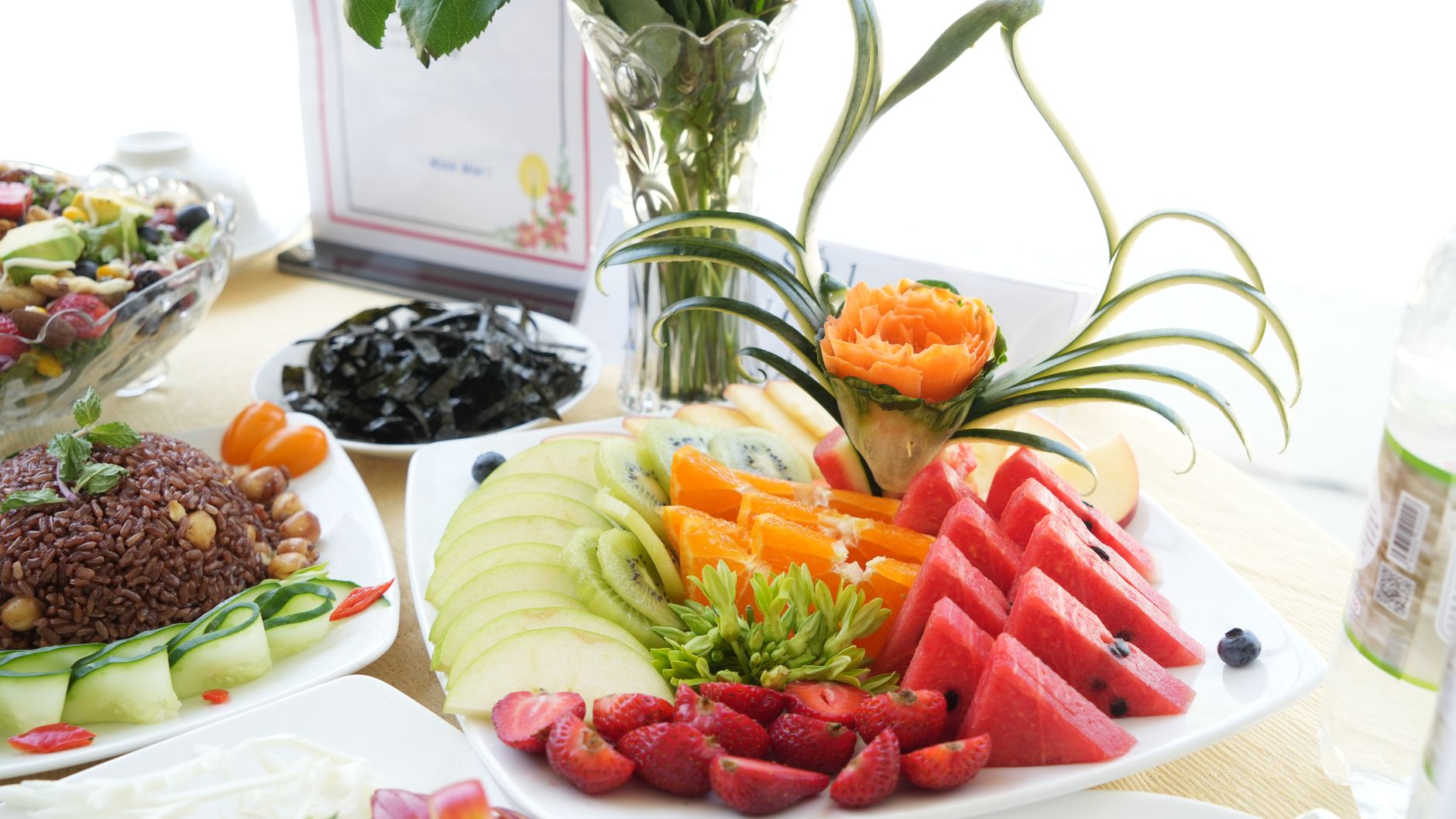
Carvs, short for carved vegetables, refer to intricately cut and shaped vegetables that are often used as decorative elements in various culinary presentations. These artistic creations can elevate a dining experience, bringing both beauty and a sense of creativity to the table. Understanding what carvs are, how to create them, and the best ways to serve them can enhance your culinary skills and impress your guests.
In this article, we will explore the ingredients typically used for carvs, the flavors associated with them, and how to effectively serve them. Whether you’re preparing a festive banquet, a casual dinner party, or just looking to enhance your everyday meals, mastering the art of carvs can be a delightful skill to develop.
What Are Carvs?
Carvs are essentially vegetables that are artistically carved into shapes and designs for decorative purposes in food presentation. They often include common vegetables such as carrots, cucumbers, zucchini, and radishes. The primary purpose of carvs is to enhance the aesthetics of a dish, and they can also be an enjoyable aspect of food prep for those who love creativity in the kitchen.
Ingredients for Making Carvs
Creating carvs begins with selecting fresh and vibrant vegetables that can hold their shape when carved. Here are some common vegetables and tools used to create stunning carvs:
- Carrots: Ideal for creating flowers or intricate designs due to their natural sweetness and color.
- Cucumbers: Soft and pliable, making them perfect for delicate designs and garnishes.
- Zucchinis: Their fibrous texture allows for various designs while maintaining stability.
- Radishes: Bright red skin and white flesh can be carved into intricate shapes, enhancing color contrast.
- Bell Peppers: Their crisp texture and vibrant colors are great for geometric patterns or decorative bowls.
- Potatoes: Can be carved into more substantial shapes but should be used soon after carving to prevent browning.
Essential Tools for Carving
To create beautiful carvs, having the right tools is essential. Here are some must-have items:
- Paring Knife: A small, sharp knife that allows for detailed and precision cuts.
- Vegetable Peeler: Useful for removing skin and creating smooth surfaces for carving.
- Mandoline Slicer: Great for achieving uniform thickness, perfect for layering or wrapping designs.
- Cookie Cutters: Can be used to create consistent shapes from your vegetables.
- Cutting Board: A sturdy surface to safely carve and handle your vegetables.
- Toothpicks or Skewers: Useful for holding together intricate designs.
Flavor Profile of Carvs
The flavor of carvs primarily depends on the type of vegetable used. Each vegetable brings its own unique texture and taste to the overall presentation:
- Carrots: Sweet and crunchy, carrots are often appreciated for their natural flavors.
- Cucumbers: Refreshing and crisp, they add a mild flavor and juicy texture.
- Zucchinis: Their subtle taste makes them a versatile addition that pairs well with various dips or sauces.
- Radishes: Spicy and peppery, they provide a contrast in flavor that can elevate a dish.
- Bell Peppers: Sweet and slightly tangy, they enhance the colors and flavors of any dish.
How to Create Carvs
Carving vegetables takes some practice, but with attention to detail, you can develop this skill. Here’s a step-by-step guide to creating simple carvs:
Step-by-Step Carving Guide
- Select Your Vegetable: Choose a fresh vegetable suitable for carving.
- Wash and Peel: Thoroughly clean the vegetable and, if necessary, remove its skin.
- Stabilize: Make a small cut on the bottom of the vegetable to create a stable surface, preventing it from rolling.
- Sketch Your Design: Lightly sketch the design on the vegetable’s surface using a blade or toothpick to guide your cuts.
- Start Carving: Use a sharp paring knife to follow your design, making gentle cuts and removing sections carefully.
- Refine Your Work: Smooth out edges and refine your design as needed to enhance the final presentation.
- Rinse and Store: Store your carved vegetables in water or refrigerate them until ready to serve to prevent wilting.
Common Mistakes and Troubleshooting
Like any culinary skill, carving vegetables can come with challenges. Here are some common mistakes and how to avoid them:
- Using Dull Knives: Ensure your knives are sharp to make cleaner cuts and easier carving.
- Not Stabilizing the Vegetable: Always ensure your vegetable is stable to prevent accidents while carving.
- Overcomplicating Design: Start simple, especially if you’re new to carving. You can always advance to more complex designs as you gain confidence.
- Allowing Cut Vegetables to Brown: Keep carved vegetables submerged in water or wrap them in plastic to maintain freshness.
How to Serve Carvs
Serving carvs is just as important as creating them. Here are some practical tips on how to showcase your vegetable creations effectively:
Presentation Ideas
- On a Platter: Arrange the carvs on a large platter surrounded by dips or complementary foods.
- As a Salad Garnish: Include them in salads to add visual interest and texture.
- In Clear Containers: Serve them in clear bowls or containers to highlight their shapes and colors.
- With Edible Flowers: Enhance your display by adding edible flowers to create a beautiful arrangement.
Flavor Pairing Suggestions
To enhance the flavor profile of the carved vegetables, consider incorporating complementary dips or snacks. Here are some suggestions:
- Hummus: Pairs well with carrots, cucumbers, and zucchini.
- Guacamole: A great match for bell peppers and radishes.
- Yogurt Dip: A refreshing choice for cucumbers and radishes.
Storing Carvs
Proper storage of carved vegetables is essential to maintain their freshness and appearance. Here are some tips:
- Refrigeration: Store your carved vegetables in an airtight container or a bowl covered with plastic wrap in the refrigerator.
- Water Soaking: Keep carved veggies submerged in cold water if not served immediately to maintain crispness.
- Limited Shelf Life: Carved vegetables are best consumed within a day or two for optimal freshness.
Creative Variations of Carvs
As you become more comfortable with the basics of carving, you can explore creative variations. Here are a few ideas:
- Fruit Carving: Experimenting with melons, pineapples, or apples can transform fruit into stunning creations.
- Themed Carvs: Create seasonal designs for holidays, like pumpkins for Halloween or snowflakes from radishes for winter.
- Layering Techniques: Combine different vegetables for multi-layered carvs, enhancing both flavor and visual appeal.
Conclusion
Carvs are a delightful way to showcase creativity in the kitchen while enhancing the aesthetic appeal of your meals. With the right ingredients, tools, and techniques, you can quickly learn how to carve vegetables into stunning works of art. So grab your knives and start practicing your carving skills to impress family and friends at your next gathering or meal prep!
For more culinary inspiration, check out the benefits of chia seeds and try out a delicious chia pudding recipe with coconut milk for a healthy dessert that beautifully complements any carved vegetable display.