
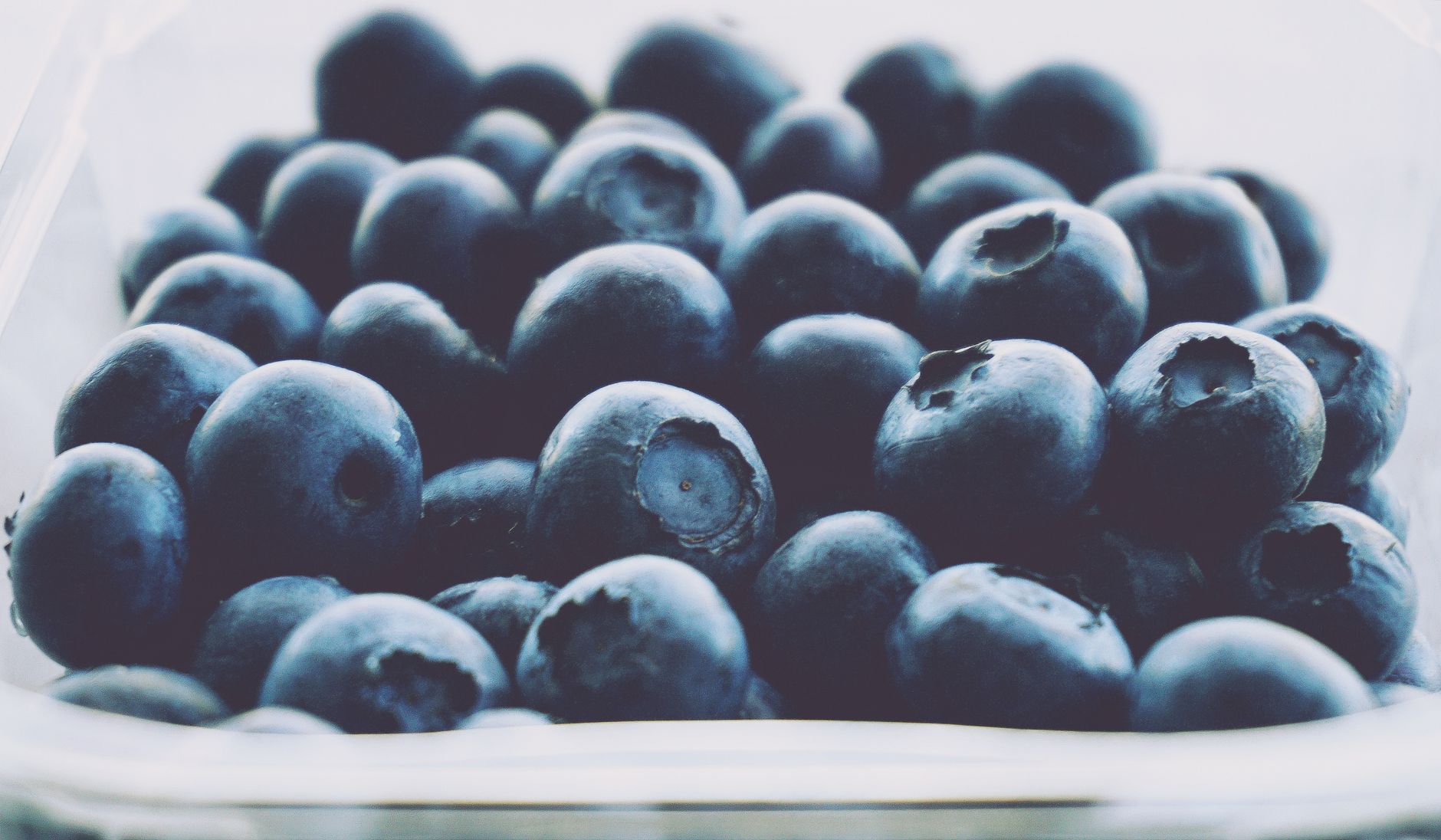
Blueberries are often celebrated for their vibrant color, sweet-tart flavor, and numerous health benefits. But how many of these delicious berries should you eat in a day to reap their maximum advantages? In this article, we’ll explore the recommended daily intake of blueberries, their nutritional profile, the health benefits of consuming them, and various ways to incorporate them into your diet.
Whether you are looking to enhance your breakfast, add a wholesome snack to your day, or enjoy a nutritious dessert, blueberries can fit seamlessly into various meals. Understanding how much to eat can help you enjoy these versatile fruits to their fullest potential.
How Much Blueberries Should I Eat a Day?
The recommended serving size for blueberries is about one cup, which is approximately 150 grams. This serving contains around 80 calories and provides essential vitamins, minerals, and antioxidants. Eating this amount regularly can help you gain the most health benefits while enjoying the delightful taste of blueberries.
Nutritional Profile of Blueberries
Blueberries offer a rich array of nutrients that contribute to their health benefits. Here’s a breakdown of the nutritional composition per one-cup serving of raw blueberries:
- Calories: 80
- Carbohydrates: 21 grams
- Fiber: 4 grams
- Sugars: 15 grams
- Protein: 1 gram
- Fat: 0.5 grams
- Vitamin C: 24% of the Daily Value (DV)
- Vitamin K: 36% of the DV
- Manganese: 25% of the DV
- Antioxidants: High levels, particularly anthocyanins
Health Benefits of Blueberries
Several studies suggest that blueberries may provide various health benefits. Here are some notable ones:
Rich in Antioxidants
Blueberries are one of the best sources of antioxidants among fruits. They contain anthocyanins that help mitigate oxidative stress and reduce inflammation in the body, which is useful in preventing chronic diseases.
Support Heart Health
Regular consumption of blueberries has been linked to improved heart health. They may help lower blood pressure and reduce the risk of heart disease due to their high fiber and antioxidant content.
Promote Brain Health
Some research suggests that blueberries may improve cognitive functions and potentially delay age-related memory decline. The antioxidants present in blueberries seem to affect brain health positively.
Assist in Weight Management
Low in calories yet rich in fiber, blueberries can be a valuable food for those looking to manage their weight. The fiber content helps to increase feelings of fullness, reducing the likelihood of overeating.
Improve Digestion
The dietary fiber in blueberries can aid in digestion and help maintain a healthy gut. Eating fiber-rich foods like blueberries can promote regular bowel movements and prevent constipation.
Potential Anti-Diabetes Effects
Some studies suggest that blueberry consumption may improve insulin sensitivity and help regulate blood sugar levels, making them a wise choice for those managing diabetes.
Incorporating Blueberries into Your Daily Diet
With their delicious taste and numerous health benefits, it’s easy to add blueberries to your meals. Here are some practical suggestions:
Breakfast Options
- Oatmeal: Top hot oatmeal with fresh blueberries and a sprinkle of nuts or seeds.
- Smoothies: Blend blueberries with yogurt, spinach, and a banana for a refreshing smoothie.
- Pancakes: Fold fresh blueberries into pancake or waffle batter for a flavorful twist.
Snacks
- Yogurt Parfait: Layer blueberries with Greek yogurt and granola for a wholesome snack.
- Nuts and Seeds: Mix blueberries with almonds, walnuts, or sunflower seeds for a nutritious trail mix.
- Energy Bites: Make energy bites using oats, honey, nut butter, and blueberries for an easy grab-and-go snack.
Dinner Dishes
- Salads: Incorporate blueberries into mixed green salads with goat cheese and almonds for contrasting flavors.
- Glazes: Create a blueberry glaze for meats such as chicken or pork for a unique entrée.
- Quinoa Bowl: Add blueberries to a quinoa bowl with roasted vegetables and chickpeas.
Sweet Treats
- Pies and Tarts: Use blueberries as the main filling in pies and tarts for a delectable dessert.
- Sorbet: Blend frozen blueberries with a bit of honey and lemon juice for a refreshing sorbet.
- Fruit Crumbles: Combine blueberries with oats and nuts to make a simple crumble topping for baked fruits.
Common Questions About Blueberries
Can I eat too many blueberries?
While blueberries are nutritious, moderation is key. Eating one to two cups a day is generally considered safe for most individuals. Excessive consumption could lead to digestive discomfort due to high fiber content.
Are frozen blueberries as nutritious as fresh ones?
Yes, frozen blueberries can be just as nutritious as fresh ones. They are usually harvested at peak ripeness and flash-frozen to preserve their vitamins and antioxidants.
Storage Tips for Blueberries
To enjoy the freshness of blueberries for as long as possible, proper storage is essential:
- Refrigeration: Store blueberries in the refrigerator in a breathable container. Do not wash them until you are ready to eat.
- Freezing: Wash and dry blueberries, then lay them on a baking sheet to freeze individually before transferring them to airtight containers.
When stored correctly, fresh blueberries can last up to two weeks in the fridge. Frozen blueberries can maintain their quality for up to a year in the freezer.
Meal Planning with Blueberries
Incorporating blueberries into weekly meal plans can help ensure you’re reaching your fruit intake goals. Here’s a simple plan:
Sample Meal Plan for One Week
| Day | Breakfast | Snack | Dinner |
|---|---|---|---|
| Monday | Blueberry smoothie | Yogurt with blueberries | Grilled salmon with blueberry sauce |
| Tuesday | Oatmeal with blueberries | Blueberry energy bites | Quinoa bowls with blueberries and spinach |
| Wednesday | Pancakes with blueberries | Trail mix with blueberries | Chicken salad with blueberries |
| Thursday | Greek yogurt with blueberries | Smoothie with blueberries | Pork chops with blueberry glaze |
| Friday | Breakfast muffins with blueberries | Cheese with blueberry jam | Fruit crumble with blueberries |
| Saturday | French toast with blueberries | Frozen blueberries as a snack | Stir-fry with blueberries and veggies |
| Sunday | Chia pudding with blueberries | Blueberry muffins | Pasta with blueberry sauce |
Common Mistakes to Avoid When Eating Blueberries
- Not washing thoroughly: It’s important to rinse blueberries under running water to remove any pesticide residues.
- Overeating dried blueberries: Dried versions can contain added sugars and calories; consume them in moderation.
- Ignoring portion sizes: While blueberries are healthy, it’s easy to overdo it. Aim for one cup daily.
Conclusion
In summary, including one cup of blueberries in your daily diet can lead to numerous health benefits while providing a delicious addition to various dishes. Their versatility makes them an excellent choice for breakfast, snacks, and desserts, making it simple to enjoy this superfood.
Explore related recipes and cooking tips to elevate your culinary experiences with blueberries. Check out how long do blueberries last and discover how many blueberries are in a serving to make the most of these nutrient-packed fruits.