
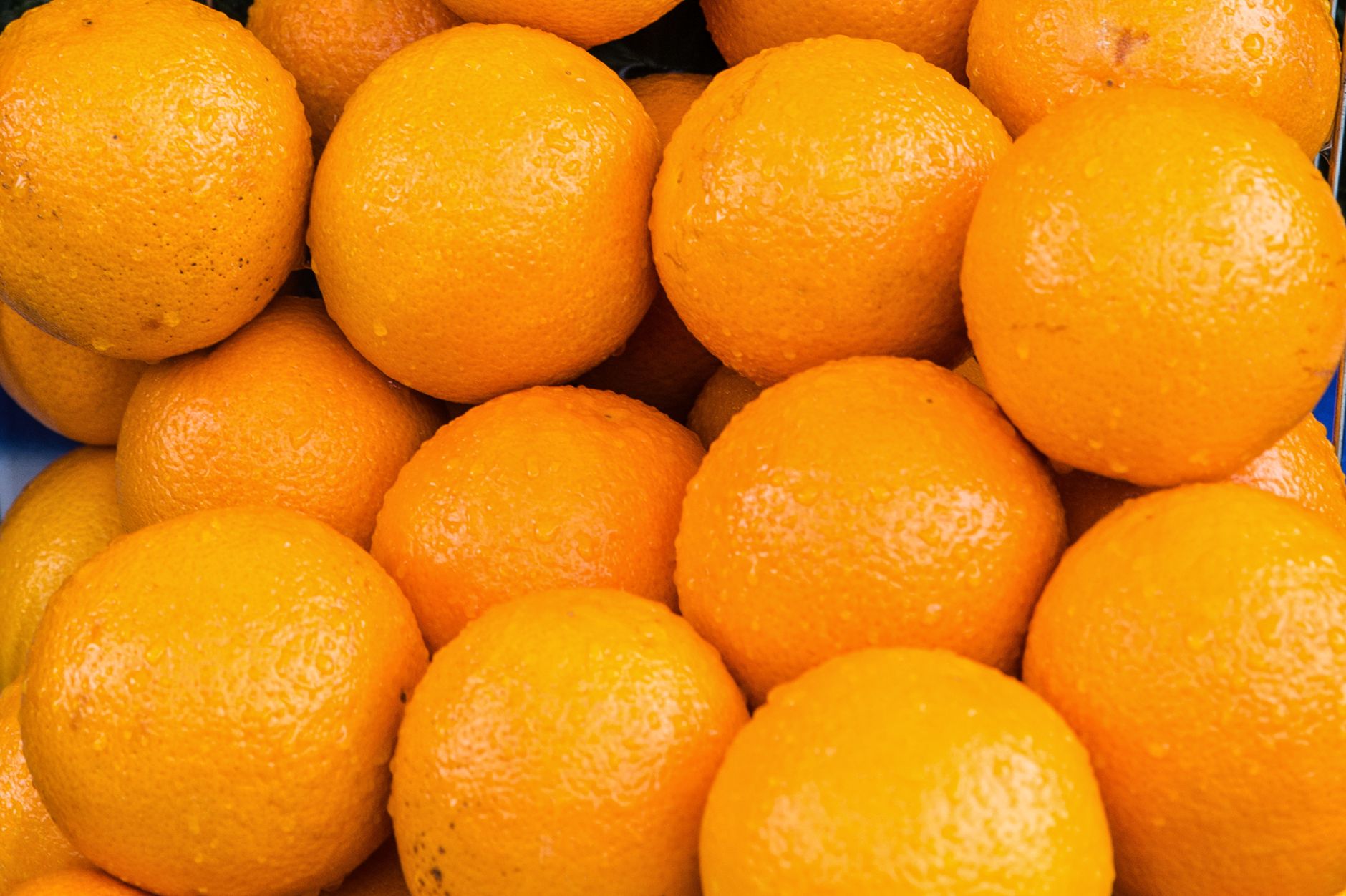
Oranges are a beloved fruit enjoyed worldwide for their refreshing taste and abundant health benefits. However, like any food, they can have adverse effects when consumed in excessive amounts. In this article, we will explore how many oranges it takes to potentially cause harm, the properties of oranges, and recommendations for safe consumption.
Understanding the limits is essential for any food lover. This exploration will clarify the science behind orange consumption and provide practical guidance on how to enjoy this citrus delight while maintaining your health.
How Many Oranges Can Kill You in a Day?
While the exact number of oranges that could prove fatal varies due to individual factors and overall diet, it is estimated that consuming around 100 oranges in a day could be lethal due to the extremely high levels of vitamin C and potassium. To avoid any risk, a balanced consumption of oranges, typically two to four per day, is recommended for overall health.
The Composition of Oranges
Oranges are rich in vital nutrients, most notably vitamin C, potassium, fiber, and various antioxidants. Their beneficial qualities include:
- Vitamin C: Essential for immune function and skin health.
- Potassium: Important for heart health and regulating blood pressure.
- Fiber: Aids digestion and promotes a healthy gut.
- Antioxidants: Help combat oxidative stress and reduce inflammation.
This combination of nutrients makes oranges a powerhouse of health benefits. However, an excessive intake can lead to health complications due to the high sugar content and acidity, not just vitamin C and potassium levels.
Understanding Vitamin C Toxicity
Vitamin C is a water-soluble vitamin, and excess amounts are usually excreted through urine. However, extremely high doses can lead to toxicity. Symptoms of high vitamin C intake may include:
- Diarrhea
- Nausea
- Abdominal cramps
- Kidney stones
Most research suggests that doses exceeding 2,000 mg per day can lead to these adverse effects. With one medium orange containing about 70 mg of vitamin C, consuming around 30 oranges would reach this threshold. This indicates that significant overconsumption is necessary to face health risks solely from vitamin C.
Examining Potassium Risks
Potassium is critical for bodily functions; however, too much potassium can be dangerous. Hyperkalemia, a condition caused by excessive potassium, can result in:
- Heart palpitations
- Muscle weakness
- Fatigue
- Long-term, can lead to cardiac arrest
Though it’s rare for healthy individuals to reach toxic levels of potassium through diet alone, it is something to consider. A medium orange contains about 237 mg of potassium. Toxic levels in the blood are typically noted above 5.0 mmol/L. Binge eating oranges can significantly increase potassium content in the body, especially if combined with a potassium-rich diet.
How to Enjoy Oranges Safely
To fully benefit from oranges without overindulgence, mindful consumption is key. Here are suggestions for incorporating oranges into your diet safely:
- Moderation is Key: Aim for two to four oranges a day, depending on your dietary needs.
- Variety is Important: Include a variety of fruits and vegetables in your diet to avoid excessive intake of any one nutrient.
- Stay Hydrated: Proper hydration may help reduce any potential acid reflux caused by the citrus.
- Pair with Fiber: Eating oranges alongside sources of dietary fiber can help slow sugar absorption.
- Cooking with Oranges: Use oranges in marinades, dressings, or baked goods to diversify how you enjoy them.
Potential Health Benefits of Oranges
Oranges can contribute positively to your health when consumed correctly. Benefits include:
- Boosting Immunity: The high vitamin C content helps fortify the immune system.
- Skin Health: Oranges can enhance skin appearance, aiding in preventing wrinkles.
- Heart Health: Potassium and fiber contribute to overall cardiovascular health.
- Weight Management: Low in calories, high in water, and fiber, oranges can help with satiety.
Common Concerns About Orange Consumption
Although oranges have numerous health benefits, there are some common concerns regarding their consumption, particularly for certain individuals:
Acid Reflux and Heartburn
The acidity of oranges may aggravate acid reflux or heartburn in susceptible individuals. To mitigate discomfort:
- Consider drinking orange juice diluted with water.
- Consume oranges as part of a meal rather than alone.
Allergic Reactions
Some individuals may have allergies to citrus fruits, which can result in skin rashes, swelling, or gastrointestinal distress. If you suspect a citrus allergy, consult a healthcare provider.
Citrus and Medication Interaction
Citrus fruits, including oranges, can interact with certain medications, particularly statins. Always consult with a healthcare professional if you are concerned about food interactions.
Serving and Storage Tips for Oranges
To enjoy gardening your oranges and maintain their freshness:
- Choose Firm Oranges: Look for heavy and firm oranges without bruising.
- Store at Room Temperature: Oranges can be stored at room temperature for several days; refrigerating may extend shelf life.
- Check for Softness: If they become soft, consume them promptly, as their quality is declining.
Creative Ways to Use Oranges
Oranges are not just for snacking! Here are some creative culinary uses:
- Orange Marmalade: A traditional favorite, perfect as a spread.
- Glazed Vegetables: Use orange juice and zest to enhance vegetable dishes.
- Citrus Dressings: Combine orange juice with olive oil, vinegar, and herbs for fresh salads.
- Orange Sherbet: A refreshing dessert option for hot weather.
- Cocktails and Mocktails: Use orange juice as a base for various beverages.
Practical Recipe: Orange Sherbet
This orange sherbet can be a delightful treat while keeping your orange intake in check. It’s an excellent balance of sweetness and a tangy kick, perfect for warmer days.
Ingredients
- 2 cups fresh orange juice (about 8-10 oranges)
- 1 cup granulated sugar
- 1 cup whole milk
- 2 teaspoons orange zest
- 1 tablespoon lemon juice
Essential Equipment
- Juicer or reamer
- Mixing bowl
- Ice cream maker (if available)
- Freezer-safe container
Instructions
- Juice the oranges until you have 2 cups of juice. Strain it to remove pulp if desired.
- In a mixing bowl, combine the orange juice, sugar, milk, orange zest, and lemon juice. Stir until the sugar dissolves.
- If using an ice cream maker, pour the mixture into the machine and churn according to the manufacturer’s instructions.
- If you’re not using an ice cream maker, pour the mixture into a freezer-safe container.
- Freeze for about 4–6 hours or until solid. Stir every hour for a smoother texture.
- Once frozen, let sit for a few minutes before scooping. Enjoy!
Conclusion
While enjoying oranges can contribute to a healthy lifestyle, it is crucial to consume them in moderation to avoid any adverse health effects. Remember, moderation is vital—two to four oranges a day can complement your diet without pushing the limits. Explore ways to enjoy oranges in your meals, snacks, and even desserts. Happy eating!
For more delicious recipes, consider trying our orange sherbet recipe or make a delightful cranberry sauce with orange for your next meal.