
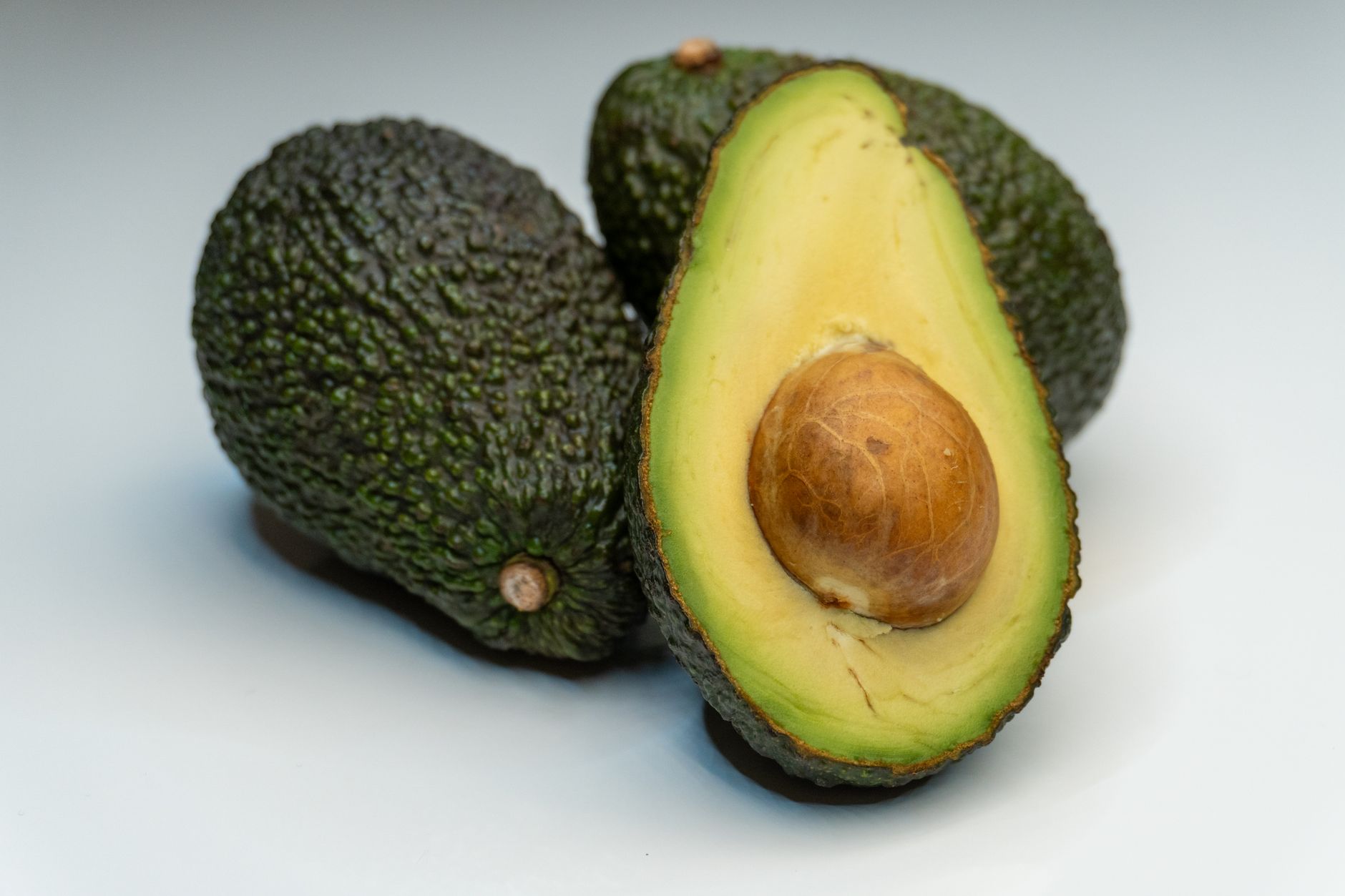
Avocados are often celebrated for their healthy fats and creamy texture, but how do they fit into a balanced diet? One key consideration for many individuals is protein content. Understanding how many grams of protein are in half an avocado can help you make informed choices for your meals.
This article delves into the nutritional profile of avocados, specifically their protein content, and explores their culinary versatility, health benefits, and ways to incorporate avocados into your diet.
How Many Grams of Protein in Half an Avocado?
Half an avocado contains approximately 1.5 to 2 grams of protein, depending on its size. While avocados are not a significant source of protein compared to other foods, they do provide various nutrients and healthy fats that can support a balanced diet.
The Nutritional Profile of Avocado
To fully appreciate the role of avocados in your diet, it’s essential to understand their overall nutritional profile. Here’s a brief overview of the key components found in half an avocado:
- Calories: About 120-160 calories
- Fat: 10-15 grams (mostly heart-healthy monounsaturated fat)
- Carbohydrates: 6-9 grams
- Fiber: 5-7 grams
- Protein: 1.5 to 2 grams
- Vitamins: Rich in vitamin K, E, C, and several B vitamins
- Minerals: Contains potassium, magnesium, and folate
Why is Protein Important?
Protein plays a crucial role in muscle repair, immune function, and hormone production. It’s essential for overall health and provides the building blocks for bodily tissues. For those looking to increase their protein intake, it’s vital to complement sources like avocados with other protein-rich foods.
Culinary Uses of Avocados
Despite their lower protein content, avocados are incredibly versatile in the kitchen. Their creamy texture and mild flavor make them a popular ingredient in both savory and sweet dishes. Here are some ways to incorporate avocados into your meals:
1. Salads
Avocados add creaminess and healthy fats to salads. Try slicing them in a mixed green salad or a grain bowl to enhance the nutritional value.
2. Sandwiches and Toasts
Spread mashed avocado on toast for a nutritious breakfast or lunch option. Enhance it with toppings like tomatoes, radishes, or a poached egg for added protein.
3. Smoothies
Blend avocados into smoothies for a rich, creamy texture. Combining it with other fruits can mask the flavor while boosting the nutritional content.
4. Guacamole
This classic Mexican dip is a favorite. Mash avocados with lime juice, garlic, onion, and seasoning for a tasty appetizer or snack.
5. Desserts
Surprisingly, avocados can be used in desserts. They can be blended into pudding or brownies, providing a creamy texture without additional fat.
Protein Pairings with Avocados
To enhance the protein content of meals that include avocado, pair it with other protein-rich foods. Below are some excellent combinations:
- Eggs: Top avocado toast with a poached or scrambled egg.
- Legumes: Combine avocados with chickpeas or black beans in salads or wraps.
- Nuts and Seeds: Sprinkle nuts or seeds on avocado dishes to add crunch and protein.
- Yogurt: Use avocados in smoothies or desserts with Greek yogurt for extra protein.
Common Misconceptions About Avocado
Many believe that avocados are solely fattening due to their calorie content. However, it’s important to note that the fats found in avocados are predominantly healthy monounsaturated fats, beneficial for heart health.
Additionally, the fiber content in avocados aids in satiety, helping control overall food intake. This makes avocados an excellent addition to a healthy diet when consumed in moderation.
Storage and Ripening of Avocados
To maximize the freshness and flavor of your avocados, consider these storage tips:
Ripening Avocados
To ripen an avocado, leave it at room temperature until it’s soft to the touch. If you want to speed up the ripening process, place it in a paper bag with a banana or apple, which emits ethylene gas and encourages ripening.
Storing Ripe Avocados
If you have leftover avocado, you can store it in the refrigerator. Squeeze some lemon or lime juice on the cut side to minimize browning, then wrap it tightly in plastic wrap or place it in an airtight container.
Avocado in Meal Planning
Incorporating avocado into your meal plan can provide versatility and health benefits. Here are practical tips for including avocados in your weekly meals:
- Breakfast: Start the day with avocado toast, smoothies, or a vegetable omelet.
- Lunch: Add avocado to salads or sandwiches for healthy fats and flavor.
- Dinner: Use avocados in side dishes or as garnish for protein-rich entrees.
- Snacks: Snack on avocado slices, guacamole with vegetable sticks, or avocado and yogurt dip.
Health Benefits of Avocado
Beyond protein content, avocados offer several health benefits:
- Heart Health: The monounsaturated fats may reduce bad cholesterol levels, supporting heart health.
- Nutrient Absorption: The healthy fats in avocados help absorb fat-soluble vitamins (A, D, E, and K) from other foods.
- Anti-Inflammatory Properties: Avocados contain antioxidants and anti-inflammatory compounds, which may support overall health.
- Improved Digestion: The fiber in avocados aids in digestion and contributes to gut health.
Common Mistakes to Avoid When Using Avocado
When preparing avocados, some common mistakes can diminish your experience. Here are a few to keep in mind:
- Choosing the Wrong Avocado: Select avocados that yield slightly when pressed, indicating ripeness. Avoid overly hard or mushy avocados.
- Improper Storage: Store unripe avocados at room temperature, and store ripe avocados in the fridge to maintain freshness.
- Excessive Browning: To prevent browning after cutting, use citrus juice and store it properly.
Exploring Avocado Alternatives and Substitutions
If you’re looking to experiment with alternatives or substitutes for avocado, here are some suggestions:
- Hummus: For a creamy spread with an entirely different flavor, use hummus instead of mashed avocado on toast.
- Pesto: Try basil or spinach pesto for richness in salads or sandwiches.
- Nut Butters: Almond or peanut butter can add creaminess and protein to breakfast dishes.
- Sour Cream: Consider using Greek yogurt in dishes where creaminess is desired, though it lacks the unique flavor of avocado.
Conclusion
Avocados are a nutrient-dense food that offers health benefits beyond protein content. With approximately 1.5 to 2 grams of protein in half an avocado, they are an excellent addition to a balanced diet, especially when paired with other protein-rich foods. Their versatility allows for inclusion in a variety of meals and snacks, making them a staple for those seeking to enjoy healthy eating.
Consider incorporating avocados in your next meal plan or experiment with one of the delicious suggestions outlined here. For more recipes, check out our protein brownies recipe and protein cookies recipe for tasty ways to up your protein intake!