
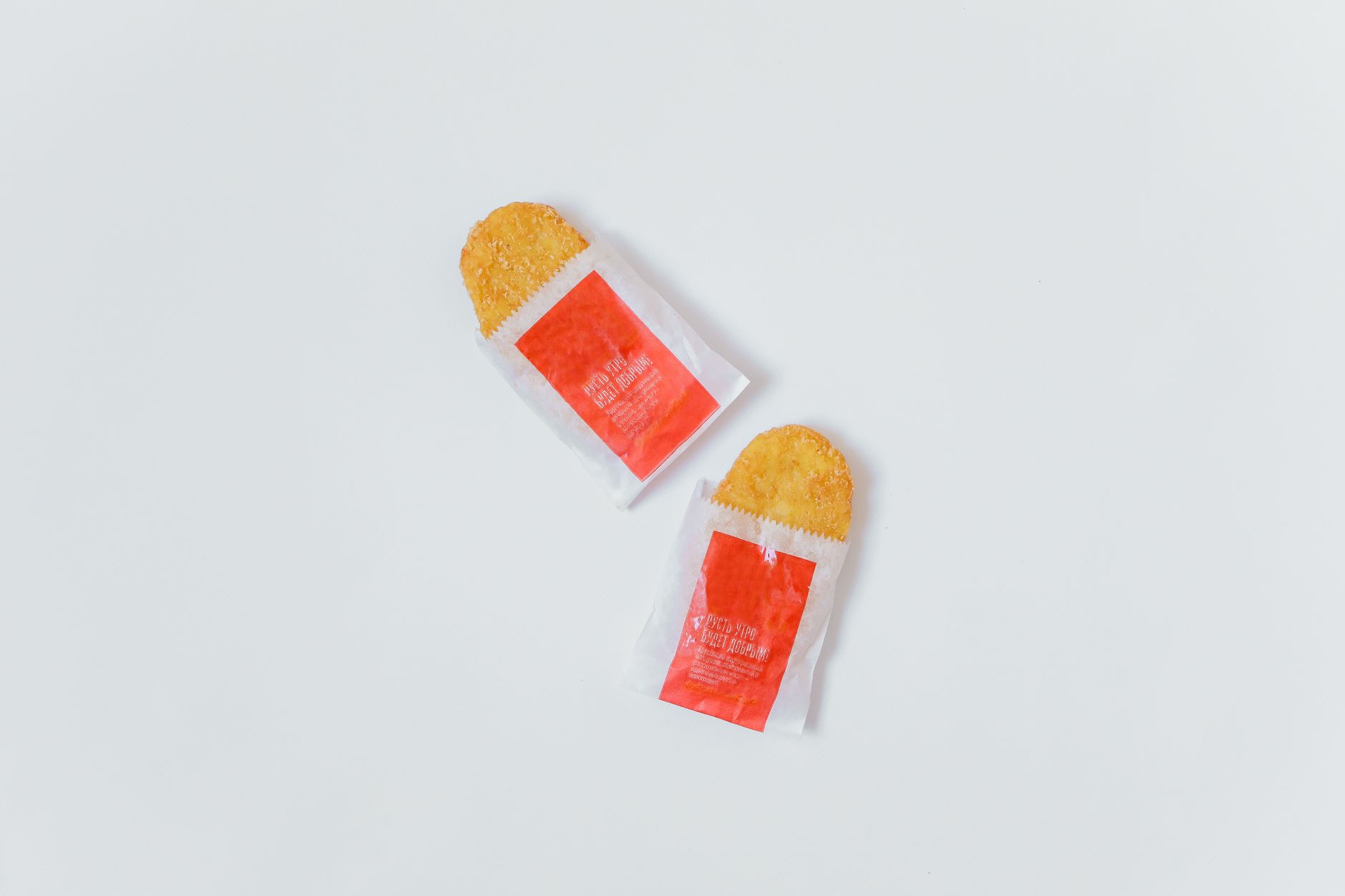
When you grab breakfast at McDonald’s, the hash brown is a popular choice that pairs perfectly with coffee or any of their egg-based offerings. A hash brown serves as a crispy, comforting side that many people crave. But how many calories are in a hash brown from McDonald’s, and how does it fit into your daily meal plan?
Understanding the calorie content and nutritional information can help you make informed choices about ordering fast food. This article will dive into the caloric details of McDonald’s hash brown as well as additional factors to consider regarding its nutrition, health implications, and alternatives.
How Many Calories in a Hash Brown from McDonald’s?
A single McDonald’s hash brown contains approximately 140 calories. This may vary slightly depending on location or any changes in preparation methods. The hash brown is primarily made from potatoes and contains oil for frying, contributing to its tasty crispiness while also adding to its calorie count.
Breakdown of Nutritional Information
In addition to calories, understanding the macronutrient profile is important. Here’s a general breakdown of the nutritional content for one hash brown:
- Calories: 140
- Total Fat: 8 grams
- Saturated Fat: 1 gram
- Trans Fat: 0 grams
- Cholesterol: 0 milligrams
- Carbohydrates: 15 grams
- Fiber: 1 gram
- Sugars: 0 grams
- Protein: 2 grams
It’s essential to note that the hash brown is relatively low in protein and fiber while being higher in fats and carbohydrates. This means while it can provide energy, it is not particularly filling, so it is often best enjoyed as a side rather than a meal replacement.
Comparing McDonald’s Hash Brown to Other Breakfast Sides
When choosing a breakfast side, comparing options can help you decide what best fits your dietary needs. Let’s look at how the hash brown stacks up against other common offerings at McDonald’s:
| Item | Calories |
|---|---|
| McDonald’s Hash Brown | 140 |
| Fruit & Maple Oatmeal | 320 |
| Egg McMuffin | 300 |
| Pancakes (3 pieces) | 540 |
While the hash brown is one of the lower-calorie side options, consider your overall meal composition. Hash browns may not provide as much nutritional value as oatmeal or other protein-rich items but can still be a delicious addition to your meal.
Health Considerations of Eating Hash Browns
Eating hash browns, like many fast-food items, can fit into an overall balanced diet, but moderation is critical. Here are some considerations to keep in mind:
1. Portion Control
If you’re mindful of your calorie intake, be aware of portion sizes. An entire breakfast meal with multiple sides can quickly lead to an exceedance of your daily recommended calorie intake.
2. Nutrient Density
Hash browns provide energy but are low in vital nutrients. Consider pairing them with nutrient-dense items, such as fruits or protein-rich dishes, to create a more balanced breakfast.
3. Fats Content
The hash brown contains about 8 grams of total fat. While the fat itself can be a necessary component of your diet, it’s essential to distinguish between types of fat. Consuming healthier fats from whole foods can help you meet your daily requirements better than fried items.
4. Sodium Levels
Fast food can often be high in sodium, leading to health implications if consumed in excess over time. While specific sodium content for a hash brown isn’t outlined here, further research into your meal will help you stay informed about your intake.
Alternatives to McDonald’s Hash Brown
If you’re looking to enjoy a crispy hash brown without all the calories or would like a healthier alternative, consider trying these options:
- Baked Sweet Potato Hash Browns: Grate and bake sweet potatoes with minimal oil for a healthier twist.
- Cauliflower Hash Browns: Use cauliflower to create a lower-carb option that’s still delicious.
- Whole Grain Toast: Swap the hash brown for whole grain toast topped with avocado or a poached egg for healthy fats.
- Store-Bought Frozen Hash Browns: Look for brands with less oil or those baked instead of fried for lighter choices.
How to Make a Healthier Hash Brown at Home
If you’re inspired to create a healthier version of a traditional hash brown, here’s a quick method:
Ingredients
- 2 medium potatoes (Russet or sweet potatoes)
- 1 tablespoon olive oil or cooking spray
- Salt and pepper to taste
- Optional: onion powder, garlic powder for flavor
Essential Equipment
- Box grater or food processor
- Large bowl
- Non-stick frying pan
Method
- Preheat your frying pan over medium heat and add olive oil.
- Grate the potatoes into a large bowl. Once grated, rinse them under cold water to remove excess starch.
- Dry the grated potatoes well with a towel. Season with salt, pepper, and optional spices.
- Add the grated potatoes to the hot pan, pressing them down into a flat layer.
- Cook for about 5-7 minutes until crispy and golden, then flip, cooking for an additional 5 minutes.
This homemade hash brown is baked or lightly pan-fried, allowing you to control the fat content while improving the nutritional quality.
Serving Suggestions
Hash browns can be enjoyed in various ways. Here are some ideas on how to serve them:
- Traditional Breakfast Plate: Pair with eggs, bacon, or sausage and fresh fruit for a balanced meal.
- Breakfast Burrito: Roll hash browns, scrambled eggs, cheese, and salsa in a tortilla for a filling option.
- Brunch Slider: Layer hash browns, avocado, and a fried egg between whole-grain bread for a delightful brunch treat.
Storage and Reheating
If you prepare hash browns in advance, store them in an airtight container in the refrigerator. Although freshly made hash browns are best enjoyed immediately, they can last in the fridge for up to three days.
To reheat, place them in a non-stick skillet over medium heat until they become crispy again, or pop them in the oven at 375°F (190°C) for 10-15 minutes. Microwaving is not recommended as it might make them soggy. The texture is best preserved when using a skillet or oven.
Conclusion
A hash brown from McDonald’s contains around 140 calories, making it a popular choice for those looking to enjoy a quick, crispy side. While delicious, it’s important to be aware of its nutritional details to maintain a balanced diet. Consider embracing homemade alternatives that encourage better nutrition or pairing hash browns with healthful sides for a more nutritious breakfast.
For more details about calorie counts, check out our articles on calories in pho and calories in scrambled eggs. Explore how to make informed choices about your meals and discover new recipes that align with your dietary preferences.