
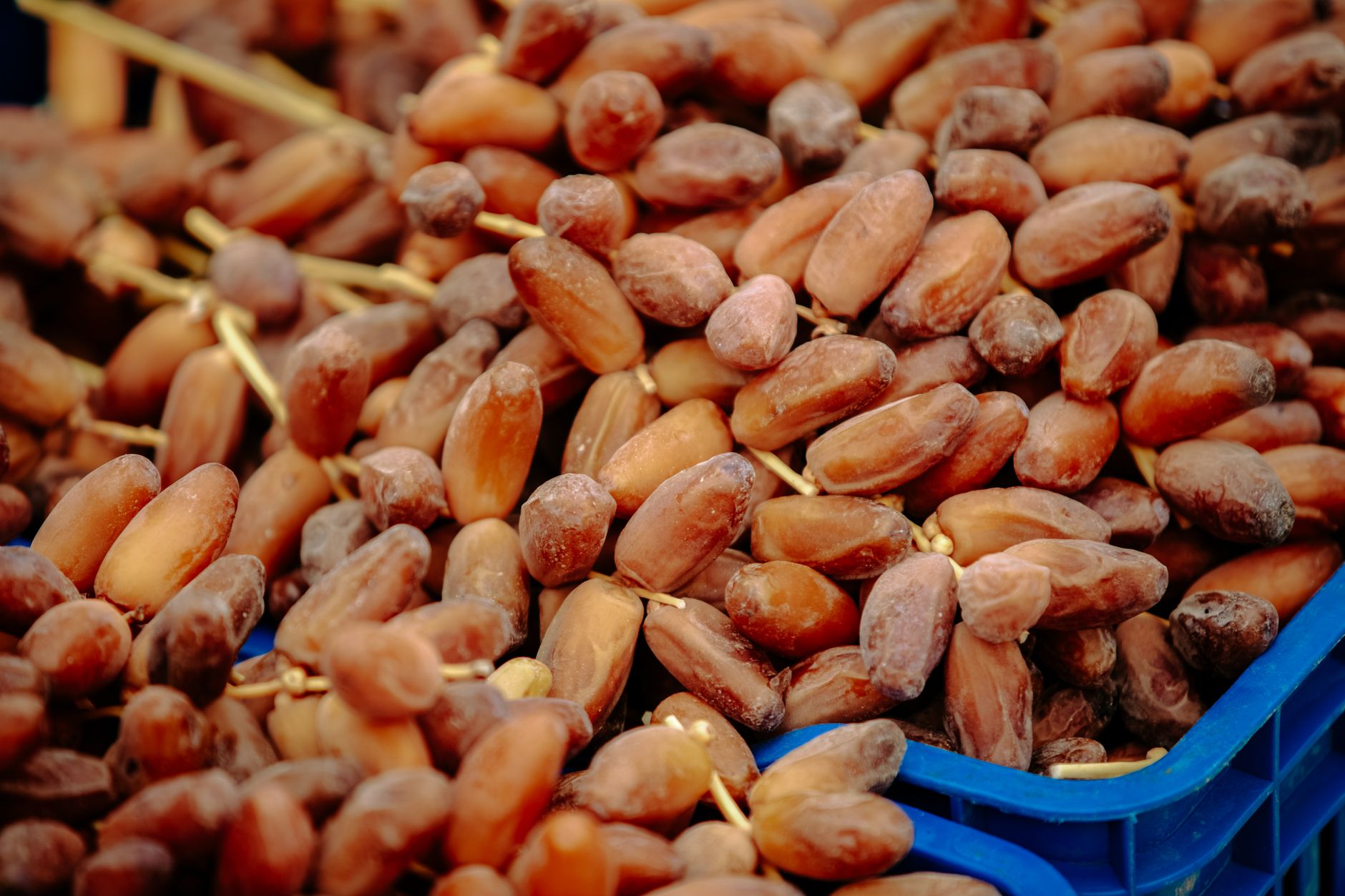
Pregnancy is a unique time that calls for mindful eating. Among the various foods recommended for expectant mothers, dates stand out due to their rich nutrient profile and many potential benefits. But a common question arises: how many dates should you eat during pregnancy to maximize their advantages while avoiding excessive intake?
In this article, we will explore the nutritional benefits of dates, recommendations for consumption during pregnancy, and some delicious ways to incorporate them into your diet.
How Many Dates to Eat During Pregnancy?
The general recommendation for consuming dates during pregnancy is about 3 to 6 dates per day. Recent studies suggest that eating dates in the weeks leading up to labor can help improve cervical ripening and possibly reduce labor duration. However, individual dietary needs may vary, so consulting a healthcare provider is advisable.
The Nutritional Benefits of Dates
Dates are not just a sweet treat; they are packed with essential nutrients that can support both mother and baby during pregnancy.
- High in Fiber: Dates are an excellent source of dietary fiber, which helps prevent constipation—a common issue during pregnancy.
- Natural Sweetener: Having a nutritious sweet option can help curb cravings for less healthy sugary snacks.
- Rich in Vitamins and Minerals: They provide vitamins like B6 and minerals including potassium, magnesium, and iron, all of which play vital roles in fetal development and maternal health.
- Antioxidants: Dates contain antioxidants that help combat oxidative stress in the body, supporting a healthier pregnancy.
- Energy Boost: Dates are high in natural sugars, making them a quick source of energy, which is beneficial for pregnant women experiencing fatigue.
Understanding Recommended Portions
While dates are nutritious, moderation is key. Consuming 3 to 6 dates a day is often suggested; however, personal dietary needs and health should factor into this number.
Portion Size Recommendations
The serving size can vary based on the date type and preparation methods:
- Fresh Whole Dates: 3–6 dates equal about 15–30 grams of sugar, which is manageable for most pregnant women.
- Stuffed Dates: If your dates are stuffed with nuts or cheese, it may be wise to limit your intake due to the higher calorie content.
- Date Paste: If using date paste as a natural sweetener in recipes, monitor the overall sugar intake from other sources to ensure a balanced diet.
Healthier Alternatives and Substitutions
If you’re looking to mix it up or if you’re concerned about sugar intake, consider some alternatives to dates:
- Figs: Another great source of fiber and essential nutrients.
- Prunes: Packed with fiber; they also help with digestion.
- Raisins: A convenient, smaller snack with similar nutrient benefits.
Incorporating Dates into Your Diet
Now that you understand how many dates to eat, let’s explore some delicious ways to include them in your pregnancy diet:
1. Date Smoothies
A smoothie is an excellent booster if you’re struggling with morning sickness. Blend together:
- 1 banana
- 3 dates, pitted
- 1 cup of milk (dairy or non-dairy)
- 1 tablespoon of chia seeds
Blend until smooth for a nutritious start to the day.
2. Date Energy Balls
Create energy balls that are perfect for quick snacks:
- Blend 1 cup of nuts, 1 cup of pitted dates, and a pinch of salt in a food processor.
- Form into bite-sized balls.
- Chill in the fridge for 30 minutes.
These are great pre- or post-natal workout snacks.
3. Baking with Dates
Why not experiment with baking? Dates can enhance the flavor of cakes and breads:
- Use chopped dates in smoothies or oatmeal.
- Substitute some sugar with date puree in cookies.
You can find a fantastic date cake recipe here that’s simple and fulfilling.
4. Stuffed Dates
Stuff dates for a delicious and nutritious treat:
- Take a pitted date.
- Fill it with nut butter or cream cheese.
- Top with crushed nuts, if desired.
This combination offers healthy fats, protein, and energy!
Common Mistakes When Eating Dates During Pregnancy
Even with the numerous benefits, there are several pitfalls to be aware of:
- Overconsumption: Dates are calorie-dense; eating too many can lead to excessive weight gain.
- Neglecting Other Foods: Dates should complement a balanced diet, not replace other food groups.
- Ignoring Portions: Keep in mind the sugar content and try not to exceed 6 dates per day.
Potential Risks and Considerations
As with any food, dates come with some considerations. Here are a few things to keep in mind:
- Allergies: Although less common, some people may experience allergic reactions to dates. Monitor for any unusual symptoms.
- Blood Sugar Levels: Due to their high natural sugar content, women with gestational diabetes or other blood sugar concerns should consult with a healthcare provider for personalized advice.
- Dental Health: The natural sugars in dates can contribute to dental cavities. Good oral hygiene practices should be maintained throughout pregnancy.
When to Focus on Dates
It’s especially beneficial to incorporate dates in the third trimester. Research shows that consuming dates can help with:
- Promoting cervical dilation.
- Reducing the length of labor.
- Lessening postpartum hemorrhage risks.
Conclusion
Dates can be a superfood during pregnancy when consumed wisely. A general recommendation of 3 to 6 dates per day offers a blend of essential nutrients without overwhelming your diet with sugar.
Try different methods of incorporating dates into meals to fulfill cravings and provide energy. Remember that moderation and balance are key, and always consult a healthcare provider if you have health concerns regarding your diet.
For those interested in exploring more date-centric recipes, check out these delightful options: date cake recipe and date nut bread recipe.