
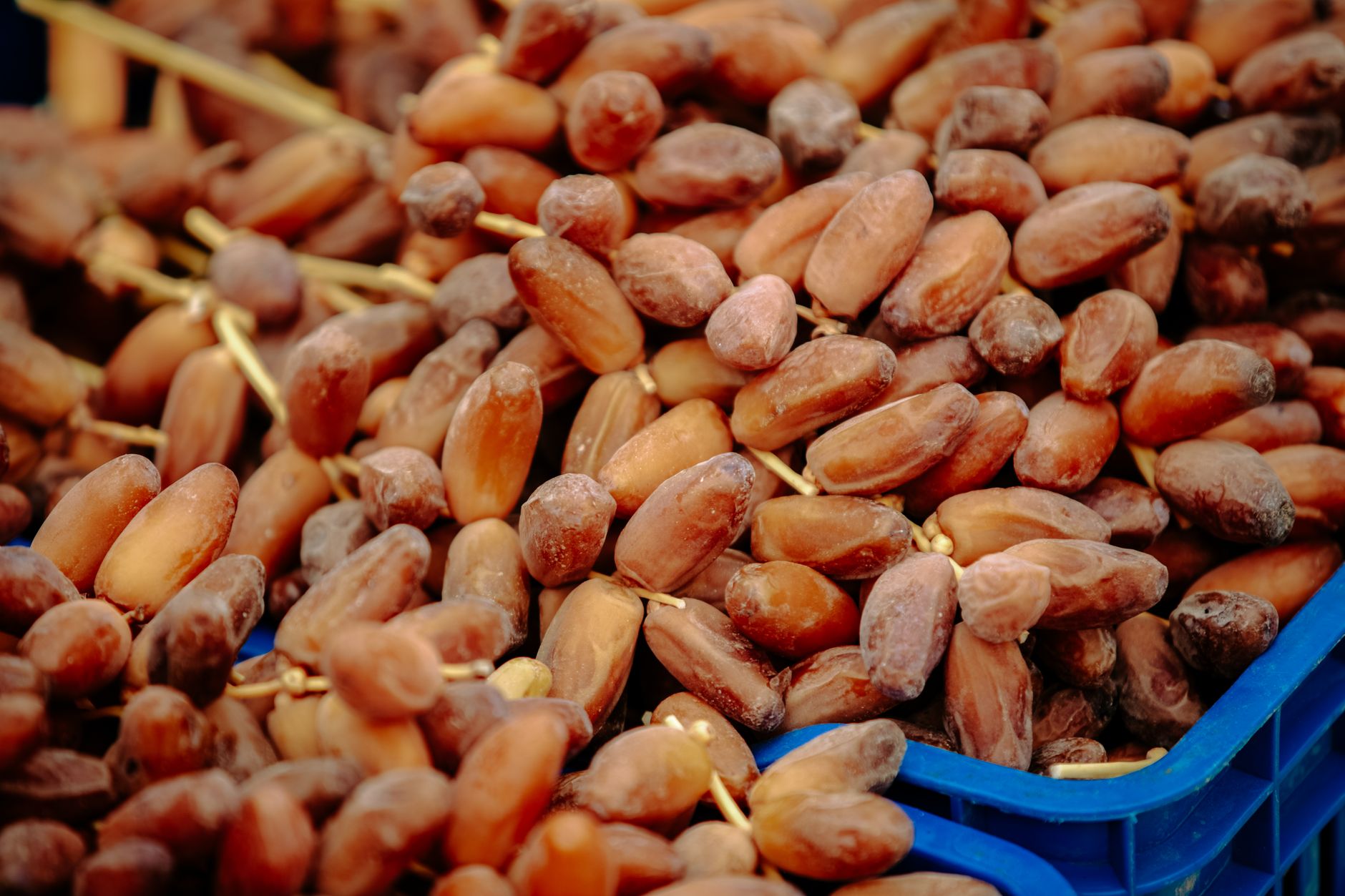
Dates are a versatile fruit rich in nutrients, making them a popular addition to a healthy diet. However, understanding how many dates to eat daily can help manage caloric intake while maximizing their health benefits. This article explores the ideal serving size, nutritional value, and practical tips for incorporating dates into your daily meals.
Known for their natural sweetness and chewy texture, dates are packed with fiber, vitamins, and minerals. They can serve as a quick energy boost or a healthier alternative to refined sugars in various recipes. So, how many dates should you consume in a day to enjoy their benefits without overindulging?
How Many Dates to Eat a Day?
The recommended daily intake of dates varies depending on individual dietary needs and health goals. Generally, a serving size of 3 to 5 dates per day is considered beneficial for most individuals without leading to excessive caloric intake.
For instance, consuming about 100 grams of dates (which is approximately 5 to 6 dates, depending on their size) can provide substantial energy and nutrients while staying within a reasonable caloric range. Remember, moderation is key, as dates are calorie-dense and can contribute significantly to overall calorie intake if not portioned properly.
Nutritional Profile of Dates
To appreciate how many dates you should include in your diet, it is essential to understand their nutritional profile. Here’s a breakdown of what you can expect from a standard serving of approximately 100 grams of dates:
- Calories: 277
- Carbohydrates: 75 grams
- Fiber: 7 grams
- Sugars: 66 grams
- Protein: 2 grams
- Fat: 0.2 grams
- Potassium: 20% of the daily value
- Magnesium: 14% of the daily value
- Copper: 18% of the daily value
- Manganese: 15% of the daily value
This rich nutritional profile highlights that dates are an excellent source of energy, primarily derived from natural sugars. Their fiber content also makes them beneficial for digestive health, while minerals like potassium and magnesium are crucial for various bodily functions.
Health Benefits of Eating Dates
Integrating dates into your diet can offer several health benefits:
- High in Antioxidants: Dates are rich in flavonoids, carotenoids, and phenolic acid, which can protect your cells from oxidative stress.
- Good for Digestion: The fiber in dates promotes digestive health and can help prevent constipation.
- Boosts Energy: Dates are a quick and healthy source of energy, making them ideal for pre- or post-workout snacks.
- Bone Health: The minerals in dates contribute to bone strength and may reduce the risk of bone-related illnesses.
- May Lower Blood Pressure: The potassium in dates helps maintain healthy blood pressure levels.
Practical Serving Tips
While eating dates can be beneficial, here are some practical tips on how to incorporate them into your daily diet effectively:
Snack Ideas
- Energy Balls: Blend dates with nuts and seeds for a quick snack. Roll into balls for easy munching.
- Yogurt Topping: Chopped dates add a sweet touch to yogurt or smoothies.
- Nut Butter Pairing: Spread almond or peanut butter on dates for a delightful snack rich in protein.
- Salad Enhancer: Add chopped dates to green salads for a sweet crunch.
Cooking and Baking
Include dates in various recipes, such as:
- Energy Bars: Use dates as a binding agent in homemade energy bars.
- Sweets and Desserts: Dates can replace refined sugars in desserts like cookies, energy balls, and cakes.
- Stuffed Dates: Fill dates with cream cheese, nuts, or chocolate for an indulgent treat.
- Use in Sauces: Blend dates into sauces for a touch of sweetness.
Storage Tips
To preserve the quality and freshness of dates:
- Store dates in a cool, dry place. If they are opened, keep them in an airtight container to prevent them from drying out.
- Refrigeration can extend their shelf life, keeping them moist and soft for longer timeframes.
Common Mistakes When Eating Dates
While dates are a healthy choice, some common mistakes can detract from their benefits:
- Overconsumption: Dates are calorie-dense, so managing portion sizes is crucial.
- Not Checking for Added Sugars: Ensure the dates you purchase are free from added sugars or artificial preservatives.
- Similar Sweeteners: Replacing dates with refined sugars in recipes may not yield the same health benefits.
Variations and Alternatives
If you prefer not to eat dates or want to mix things up, here are some alternatives that can be used in similar ways:
- Figs: Similar in texture and sweetness, figs can replace dates in recipes.
- Raisins: Sun-dried raisins provide a different taste but can be used interchangeably in baked goods.
- Prunes: Known for their digestive benefits, prunes can be a good substitute in snacks and baking.
- Dried Apricots: These fruits offer a tangy sweetness and are great in salads and trail mixes.
Conclusion
Incorporating dates into your diet can be a delicious and healthy choice when consumed in moderation. Aim for a daily intake of about 3 to 5 dates to enjoy their sweet flavor and benefits without surpassing your caloric needs. Explore various ways to use dates in snacks, desserts, and meals to fully appreciate this nutrient-dense fruit.
If you are looking for some fun ways to enjoy dates, be sure to check out our date cake recipe for a delicious dessert and learn how to make date syrup for a natural sweetener alternative.