
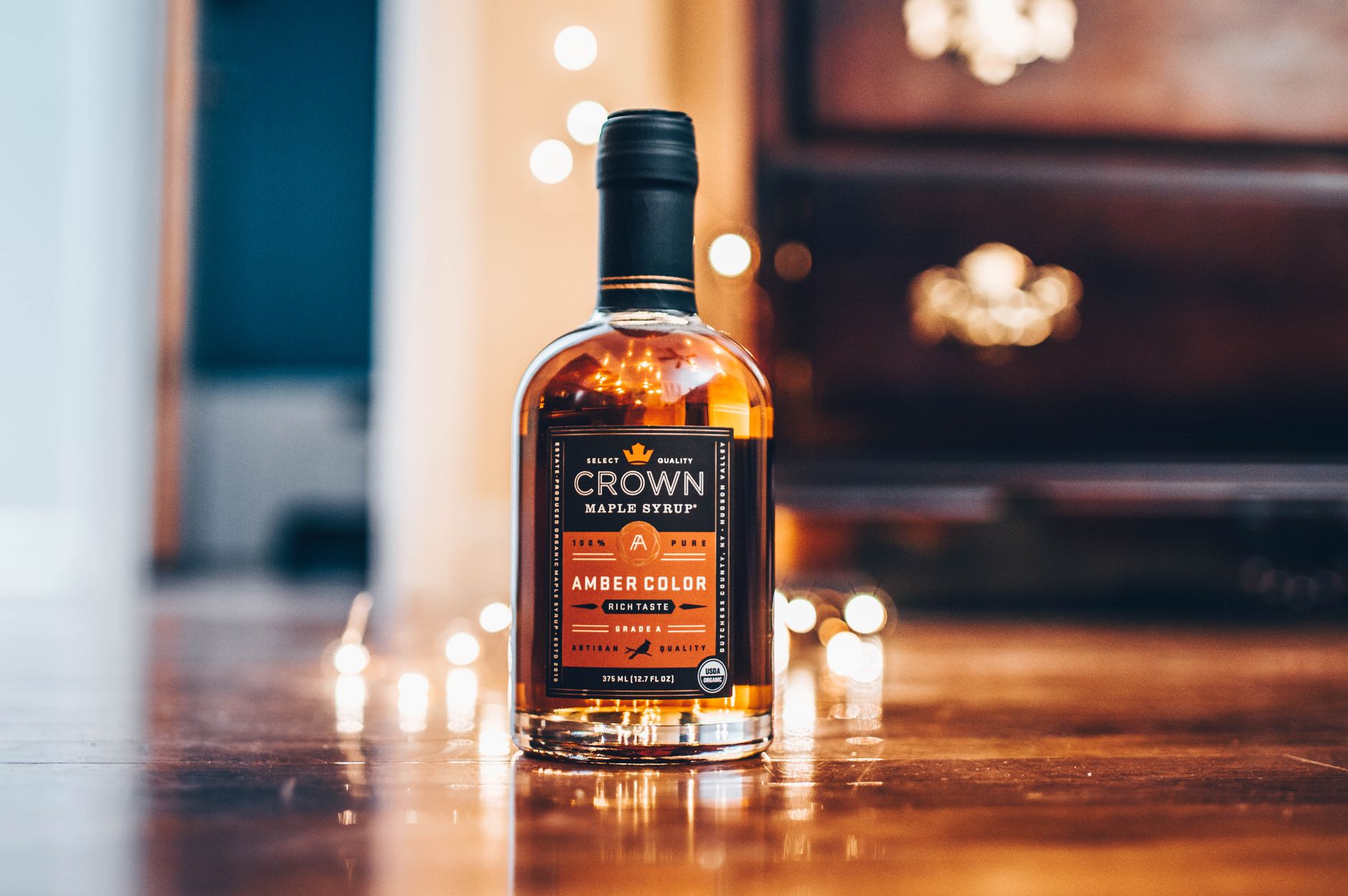
Maple syrup, a beloved sweetener with a rich flavor profile, adds a special touch to breakfast dishes, baked goods, and even savory recipes. However, many people wonder how to store this sticky delight and whether it should be refrigerated. Understanding the proper storage methods will help you maximize the quality and lifespan of your maple syrup.
The answer to whether you need to refrigerate maple syrup largely depends on the type of syrup and whether it has been opened. In this guide, we will explore the best practices for storing maple syrup, the differences between various types of syrup, and tips for maintaining optimal flavor and consistency over time.
Do You Have to Refrigerate Maple Syrup?
Maple syrup does not have to be stored in the refrigerator unless it has been opened. Unopened maple syrup can be stored in a cool, dark place, like a pantry or cupboard, and remains good for an extended period. Once opened, however, it’s best to refrigerate maple syrup to prevent spoilage and maintain its quality.
Understanding Maple Syrup: Grades and Types
Before diving into storage practices, it’s helpful to understand the different types of maple syrup available. Maple syrup is graded based on its color and flavor, and each type lends itself to various uses. Here are the most common grades:
- Golden Color with Delicate Taste: Usually harvested early in the maple sugaring season, this syrup has a light and subtle flavor, making it ideal for drizzling over pancakes and waffles.
- Amber Color with Rich Taste: This syrup is harvested later in the season and has a more robust flavor, suitable for general use in recipes and baking.
- Dark Color with Strong Taste: Harvested at a later stage, this syrup offers the most intense maple flavor. It’s great for marinades, glazes, and recipes where maple flavor should stand out.
- Very Dark Color with Strong Taste: This category contains the boldest flavors and is excellent for cooking, particularly in savory dishes.
Storage Recommendations for Maple Syrup
The storage method for maple syrup can significantly affect its quality and longevity. Here’s a streamlined guide to best practices for storing maple syrup:
Unopened Maple Syrup
Unopened maple syrup can be stored in a cool, dark place, away from heat sources. It can remain good for an indefinite period if kept sealed and away from light. Conditions, however, should not fluctuate widely to maintain stability.
Opened Maple Syrup
Once opened, maple syrup becomes more susceptible to spoilage. Here are some specific guidelines for opened maple syrup:
- Store in the refrigerator: Keeping opened maple syrup in the refrigerator can help extend its shelf life to around one year.
- Seal properly: Always ensure that the cap or lid is tightly sealed after each use to prevent air exposure, which can lead to spoilage.
- Check for mold: If you notice any signs of mold—especially in darker syrups—consider discarding it. Light-colored syrups may simply need to have the mold skimmed off, then cleaned and stored again.
Freezing Maple Syrup
If you want to store maple syrup for a significantly longer period, freezing is an option. Here’s how to do it:
- Use a freezer-safe container: Maple syrup can expand when frozen, so leave some space at the top of the container.
- Portion for convenience: Consider freezing maple syrup in smaller containers or ice cube trays for easy access.
- Thawing: When you’re ready to use frozen maple syrup, thaw it in the refrigerator or at room temperature. Avoid using a microwave, as it can alter the syrup’s texture and flavor.
The Shelf Life of Maple Syrup
Understanding the shelf life of maple syrup can help you make the most of it:
- Unopened maple syrup: Typically lasts indefinitely if stored in a cool, dark place.
- Opened maple syrup in the refrigerator: Can last up to one year, but check for signs of spoilage.
- Frozen maple syrup: Can be stored indefinitely in the freezer, maintaining both flavor and texture, as long as it is in an airtight container.
Signs of Spoilage in Maple Syrup
While maple syrup is known for its long shelf life, spoilage can still occur. Here are common signs that your syrup may have gone bad:
- Mold Growth: This can occur, particularly in opened bottles. Discard syrup with visible mold unless it’s a light syrup where skimming off the mold is possible.
- Off Odor: A noticeable change in smell, such as sourness or a musty scent, can indicate spoilage.
- Unusual Taste: If your maple syrup tastes off or has an unexpected flavor, it’s best to err on the side of caution and not consume it.
Using Maple Syrup in Recipes
Maple syrup can be utilized in a variety of recipes, enhancing both sweet and savory dishes. Here are some ways to incorporate it:
Breakfast Ideas
- Pancakes and Waffles: Drizzling maple syrup over hot pancakes or waffles is classic.
- Oatmeal: Stirring in maple syrup can add sweetness and a hint of flavor to your morning bowl of oats.
- Yogurt: Add a dollop of maple syrup to plain yogurt for a quick and wholesome breakfast or snack.
Baking Uses
- Cakes and Cookies: Maple syrup can serve as a natural sweetener in baked goods.
- Glazes: Combine maple syrup with mustard or soy sauce to create a delicious glaze for meats.
- Breads: Maple syrup can replace sugar in bread recipes, providing a unique flavor profile.
Savory Dishes
- Marinades: Use maple syrup as a base for marinades to caramelize and add depth to grilled meats and vegetables.
- Dressings: Incorporate maple syrup into salad dressings for a touch of sweetness.
Common Mistakes in Maple Syrup Storage
To ensure your maple syrup maintains its quality, avoid these common storage mistakes:
- Not Refrigerating After Opening: Failing to refrigerate opened maple syrup can lead to spoilage.
- Exposing to Light and Heat: Store away from sunlight and heat sources to prevent degradation of flavor.
- Using Contaminated Utensils: Always use clean utensils to avoid introducing bacteria into the syrup.
FAQs About Maple Syrup Storage
Can you store maple syrup at room temperature?
Unopened maple syrup can be kept at room temperature in a cool, dark place. However, opened syrup should be refrigerated to prevent spoilage.
How can I tell if my maple syrup is still good?
Check for mold, off odors, or unusual taste. If any of these signs are present, it’s best to discard the syrup.
Can maple syrup go bad?
While maple syrup has a long shelf life, it can spoil when exposed to air or heat. Proper storage after opening is crucial.
Tips for Maximizing Maple Syrup Quality
- Choose high-quality syrup: Opt for pure maple syrup for the best flavor, avoiding imitation syrups made from corn syrup.
- Keep it sealed: Always ensure the lid is tightly closed to avoid air contamination.
- Use within recommended timeframes: To enjoy the best flavor, consume opened syrup within a year.
Cooking with Maple Syrup: A Versatile Ingredient
Maple syrup isn’t just for breakfast; it’s a versatile sweetener that can enhance various dishes. Its unique flavor pairs well with many ingredients, making it a popular choice among home cooks and professional chefs alike. Here are some culinary exploits to try with maple syrup:
Maple-Infused Glazes and Sauces
Create delicious glazes for meats like salmon or chicken that can caramelize beautifully when grilled or roasted. Combine maple syrup with soy sauce and garlic for a flavorful marinade.
Drinks and Cocktails
Maple syrup can be used to sweeten cocktails. Use it in drinks like Old Fashioneds or even in smoothies for added sweetness and depth of flavor.
Savory Dishes
Maple syrup can enhance vegetables, especially when roasted. Toss Brussels sprouts or carrots with maple syrup and olive oil before roasting for a sweet finish.
Conclusion
Understanding how to properly store maple syrup is key to enjoying its rich flavor at its best. Refrigerate after opening to ensure quality, and use within a year for optimal taste. Whether drizzled on pancakes or mixed into savory dishes, maple syrup remains a beloved ingredient that adds depth and sweetness to both sweet and savory recipes.
For more delicious recipes and cooking tips, explore Maple Syrup Recipe or learn about Does Ghee Need to be Refrigerated.