
Understanding measurements in cooking and baking can sometimes feel overwhelming, especially if you’re not familiar with the various units used in recipes. One common question that arises is, “How many cups are in a pint?” It’s important to get these conversions right, as they can significantly impact the outcome of your culinary creations.
This article will not only provide you with the answer to this question but also delve into the importance of accurate measurements, tips for effective measuring, and more about when to use pints versus cups. Whether you’re a seasoned cook or just starting out in the kitchen, mastering measuring conversions can enhance your cooking experience.
How Many Cups In A Pint?
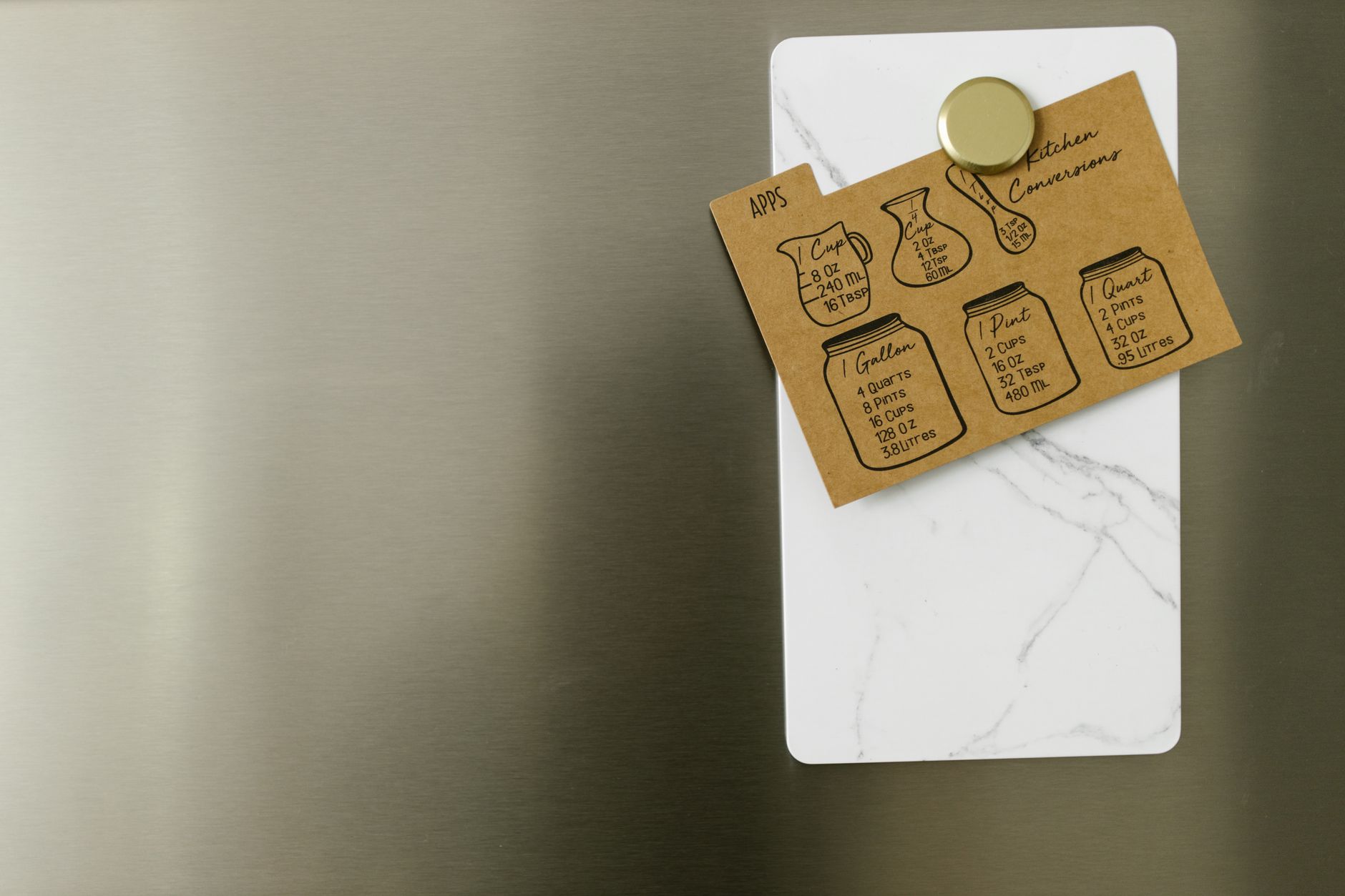
A pint is equal to 2 cups. This means that when a recipe calls for a pint of an ingredient, you can simply use 2 cups instead. This basic conversion is essential for both liquid and solid ingredients in the kitchen.
The Importance of Accurate Measurements
Measuring ingredients accurately is critical in cooking and baking. Unlike cooking, which often allows for improvisation, baking is a precise science where even small variations can significantly alter the final product. Here are a few reasons why precision matters:
- Consistency: Accurate measurements lead to consistent results each time you prepare a dish or bake.
- Texture and Flavor: Ingredients interact in specific ways; for example, too much flour can dry out a cake, while too little can make it dense.
- Cooking Times: Different quantities can change the cooking or baking time, which can lead to undercooked or overcooked food.
Common Measurement Conversions
Understanding conversions is vital, especially when dealing with recipes that use different measurement systems. Below are some common conversions that may come in handy:
| Imperial Measurement | Metric Equivalent |
|---|---|
| 1 Pint | 2 Cups (Approximately 473.18 mL) |
| 1 Cup | 8 Ounces (Approximately 236.59 mL) |
| 1 Quart | 4 Cups (Approximately 946.35 mL) |
| 1 Gallon | 16 Cups (Approximately 3.785 L) |
When to Use Pints vs. Cups
In the culinary world, both pints and cups are commonly used measurements, but they may serve different purposes depending on the recipe:
Pints
Pints are typically used for measuring liquids, such as:
- Milk
- Beer
- Broths and Stocks
They can also be used for solids when dealing with larger quantities, such as:
- Fresh berries
- Cherries
- Cut vegetables like tomatoes or grapes
Cups
Cups are a more widely used measurement for both liquids and solids, often preferred for precise baking. Some examples include:
- Flour
- Sugar
- Oils and Vinegars
Measuring Techniques and Tools
Getting your measurements right also depends on the tools you use and your measuring techniques. Here are tips to ensure accurate measuring:
Liquid Measurements
When measuring liquids, always use a clear liquid measuring cup with a spout for pouring:
- Place the liquid measuring cup on a flat surface.
- Pour in the liquid until it reaches the appropriate line.
- Check the measurement at eye level to avoid parallax errors.
Dry Measurements
For dry ingredients, use dry measuring cups—generally, they are designed to be filled to the top:
- Use a spoon to scoop the ingredient into the measuring cup.
- Overfill slightly without packing the ingredient down.
- Use a straight edge, such as a knife, to level off the top for accuracy.
Using a Kitchen Scale
If you want even greater accuracy, consider investing in a digital kitchen scale, especially for baking:
- Place a bowl on the scale and reset (tare) the scale to zero.
- Add the ingredient until you reach the desired weight.
This method can eliminate discrepancies that arise from measuring by volume alone.
Common Measurement Mistakes
Even seasoned cooks can stumble when measuring. Here are mistakes to avoid:
- Not leveling off dry ingredients: This can lead to adding too much, affecting the recipe.
- Eye-level errors: Always check measurements at eye level to get accurate readings.
- Packing vs. fluffing: Ingredients like flour can be compacted when scooped; always fluff it first before measuring.
Practical Substitutions
Sometimes, you may find yourself without a particular measurement or ingredient. Here are some reliable substitutions for common measurements:
- Cups to Quarts: 1 quart equals 4 cups; this is useful for larger liquids.
- Cups to Ounces: 1 cup equals 8 ounces, applicable for both liquids and solids.
- Substituting Ingredients: If you don’t have milk, use almond milk; if you lack eggs, a common substitute is ¼ cup of unsweetened applesauce per egg.
Cooking and Baking Tips
Accurate measurements enhance your cooking and baking experience. Here are a few effective tips:
- Read ahead: Understand the entire recipe before starting to ensure you have all necessary ingredients in the correct measurements.
- Be organized: Measure all ingredients before beginning to streamline the cooking process.
- Invest in quality tools: Consider quality measuring cups and spoons, which provide more accurate results than free-form measuring.
Storage and Handling
Proper storage helps maintain the freshness of your ingredients, and knowing how to store larger quantities measured in pints can ensure longevity:
- Liquids: Store in airtight containers in the refrigerator; for longer-lasting storage, consider freezing liquids in ice cube trays.
- Dry Ingredients: Keep in a cool, dark place in sealed containers to avoid contamination or spoilage.
- Labeling: Label your containers with the date to track freshness, especially for homemade items.
Conclusion
Knowing how many cups are in a pint is just one piece of the puzzle in mastering the art of cooking and baking. Accurate measurements can make the difference between a successful dish and a culinary disaster.
Now that you’re equipped with the knowledge of conversions, proper measuring techniques, and practical tips, you’re ready to take on your next cooking challenge. Consider exploring related recipes and guides to help further refine your culinary skills, such as understanding how many cups of water are needed for rice or the calorie count in scrambled eggs. Happy cooking!
For more tips and clarifications, explore our guides on how many cups of water for rice and how many calories in 2 scrambled eggs.