
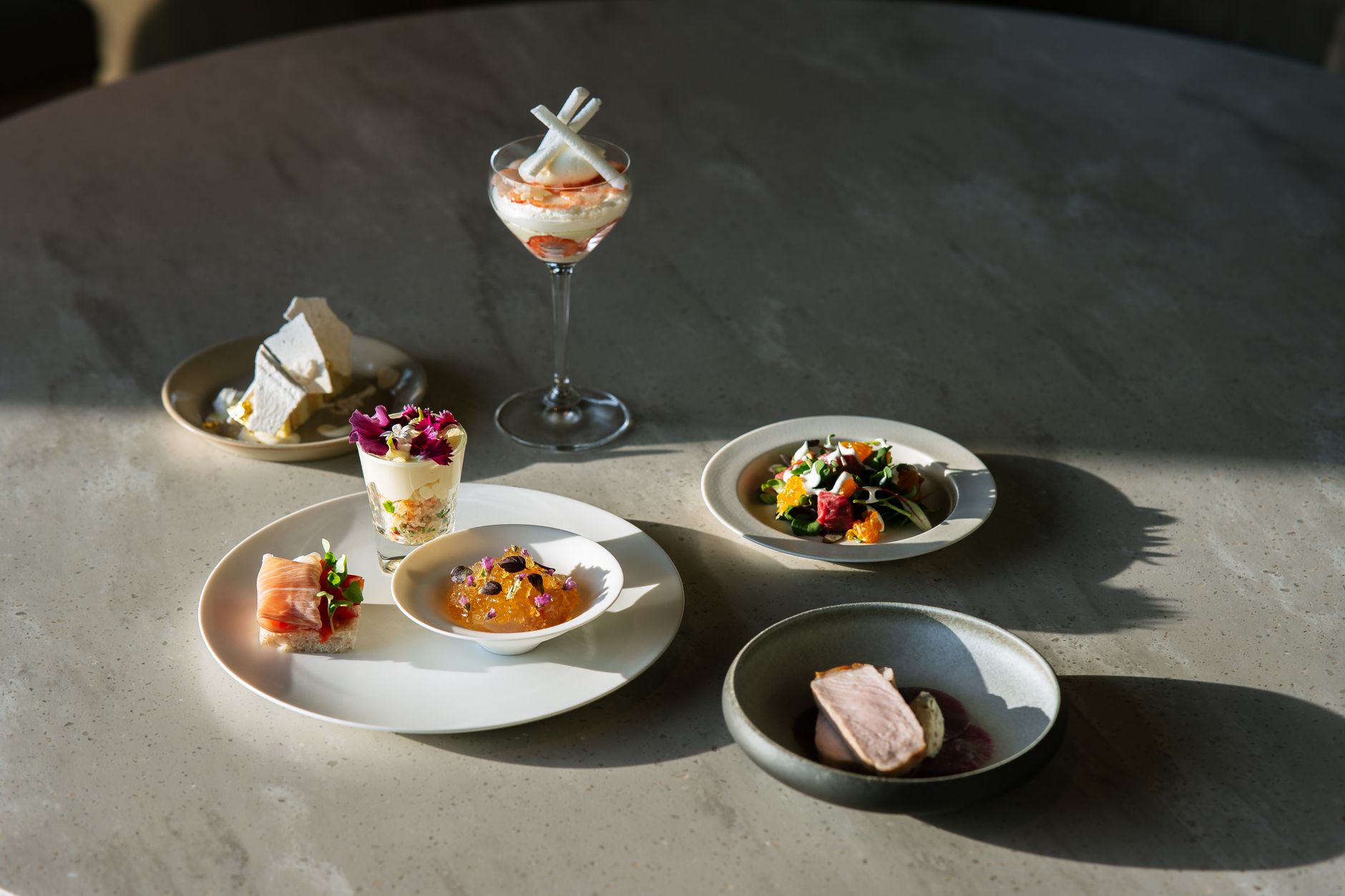
When we talk about meals, one common question arises: how many courses are typically included? The concept of courses has evolved over time and varies across cultures, occasions, and dining styles. Understanding the breakdown of meal courses can enhance not only your culinary organization but also elevate your dining experiences.
Choosing the number of courses for a meal helps in planning the structure, preparation, and presentation of dishes. This article will detail the common courses in meals, serve size suggestions, portion control, and how you can adapt these to suit personal or cultural preferences.
How Many Courses in a Meal?
The number of courses in a meal often varies by tradition, culture, and personal preference, but generally, meals can range from two to seven or more courses. A basic meal can consist of an appetizer, main course, and dessert, known as a three-course meal.
In more elaborate dining scenes, five to seven courses might be served, including additional components like sorbets or cheese courses. Understanding your meal’s structure makes it easier to plan appropriately.
Structure of a Multicourse Meal
A standard multicourse meal typically includes several segments, each designed to complement one another. Here’s a breakdown of various courses commonly found in formal dining contexts:
- Appetizer (Starter): This is a small dish served before the main meal to stimulate the appetite. It can be cold or hot and is often meant to be shared.
- Soup: Frequently served as a second course, soups can range from light broths to hearty purees, often cleansing the palate.
- Fish Course: This course is optional in some cultures and includes dishes focused on fish. It sets the stage for the heavier main course.
- Main Course: The main attraction of the meal, consisting of a significant protein—often accompanied by vegetables and starch.
- Cheese Course: Served in some traditions, this course includes a variety of cheeses, often paired with fruit and bread.
- Dessert: The sweet conclusion to the meal, desserts can range from cakes and pastries to fruit bowls.
- Coffee/Herbal Tea: Often served post dessert to aid digestion and conclude the dining experience.
Serving Sizes and Portions
Understanding how to properly serve food in a multicourse meal is crucial for both taste and guests’ enjoyment. Below is a general guideline for each course’s serving size, ensuring diners can savor each dish without feeling overwhelmed.
Appetizers
Appetizers should be light and typically range from 2 to 4 ounces, depending on the type. Smaller bites such as bruschetta can be served in 1 to 2 pieces per guest.
Soups
For soup, a standard portion is about 6 to 8 ounces. If serving multiple courses, consider offering a small cup to keep the meal balanced.
Fish, when included, should be around 4 to 6 ounces per serving. If serving a sorbet as a palate cleanser, serve about 2 ounces.
Main Course
The main course is where the majority of food will be served, typically ranging from 6 to 10 ounces of protein, along with complementary sides of 4 to 6 ounces.
Cheese Course
For the cheese course, a selection of two to three types of cheese, around 1 ounce each, will suffice. Pair this with fruit and a piece of bread.
Dessert
Desserts should range from 3 to 6 ounces. A slice of cake or a small cup of pudding works well to conclude the meal.
Variations by Cuisine and Culture
Different cultures have their own traditions regarding meal courses. Here are a few notable variations:
French Cuisine
Typically, a French meal can contain five to seven courses, including appetizers, a fish course, the main course, fromage (cheese), dessert, and coffee. French meals place a heavy emphasis on the dining experience.
Italian Cuisine
Italian meals often feature a simpler structure with antipasti (appetizers), a pasta course, and a meat or fish course followed by dessert. Meals are usually served in a more relaxed manner, allowing diners to linger.
Japanese Cuisine
In Japanese dining, courses such as sashimi, soup, grilled items, and rice are presented in a specific order. The emphasis is on harmony and balance of flavors, textures, and presentation.
American Cuisine
Traditional American meals may consist of two or three courses, focusing primarily on the main dish, often accompanied by sides like salads or desserts. However, formal dining can include more courses.
Common Mistakes to Avoid
When planning a multicourse meal, several pitfalls can lead to an unsatisfactory dining experience. Here are some key considerations:
- Overloading Guests: Serving too much food can overwhelm diners. Maintain balance with portion sizes.
- Inadequate Timing: Serving courses too quickly can make guests feel rushed while serving them too slowly can leave them hungry. Aim for a comfortable pace, allowing diners to enjoy each portion.
- Flavor Clashing: Ensure that courses pair thoughtfully without causing overpowering contrasts. Use coherent flavors that complement one another.
Meal Planning for Multiple Courses
Meal planning becomes more critical as you add courses. Consider these practical tips when organizing a multicourse meal:
Menu Planning
Begin by selecting a theme or cuisine for your meal. It may help dictate the types of courses you’ll serve. Consider what seasonal ingredients are available, as fresh produce can significantly enhance your menu.
Ingredient Overlap
When planning multiple courses, incorporate overlapping ingredients. This not only reduces waste but also ties the meal together. For instance, if you are using a specific vegetable in your appetizer, consider using it again in your main course.
Batch Cooking
Preparing ahead where possible is key. Soups, dips, and even marinated proteins can be made a day in advance, saving you time. Focus on dishes that can easily be reheated or plated quickly.
Serving Order
Presenting courses in a structured order enhances the dining experience. Start light and progress to heavier flavors. For example, you might follow a light appetizer with a hearty soup, then the main dish.
Making Courses Feel Special
The way you present and serve each course can transform dining into a memorable event. Here are some ideas:
- Plating: Use attractive plates and garnishes to elevate the visual appeal of each dish.
- Table Settings: Create a themed table setting that reflects the meal’s cuisine for an immersive dining experience.
- Serving Style: Offer dishes family-style to encourage sharing or plate them individually for a more formal meal.
Leftovers and Storage
After a multi-course meal, leftovers can be a delicious treasure. Here’s how to store them effectively:
General Guidelines
Store perishable items in airtight containers in the refrigerator. Most cooked dishes will remain safe for about 3 to 4 days. For longer storage, consider freezing cooked proteins, soups, or sauces.
Reheating Tips
Reheat leftovers gradually, ideally on the stove or in the oven, to maintain better texture compared to microwaving. Ensure proteins reach a safe internal temperature of 165°F for safe consumption.
Conclusion
Understanding how many courses to include in a meal enhances both your planning and the overall dining experience. By keeping portion sizes appropriate and allowing thoughtful transitions between courses, you can create an enjoyable culinary journey for your guests. As you explore various cuisines and customizations, you’ll be able to define your own style of dining.
For further insights into specific meal courses, consider learning about a Ploughman’s Lunch or how to assemble a well-curated charcuterie board. These guides all offer unique approaches to multi-course dining.