
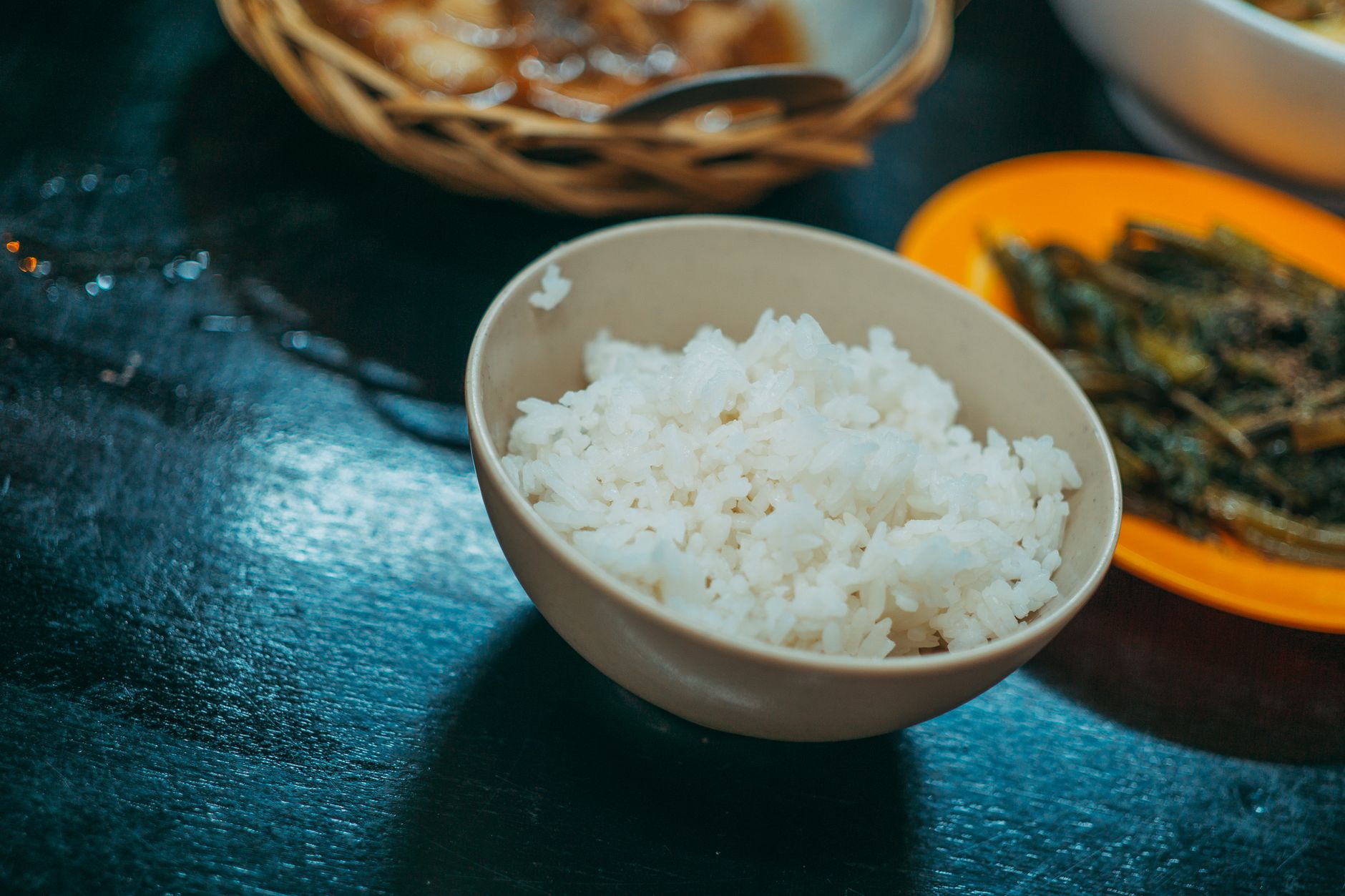
Rice is a staple food in many cultures around the world, valued not only for its taste and versatility but also for its carbohydrate content. Understanding how many carbs are in a serving of rice can be key for meal planning, managing carbohydrate intake, or simply satisfying your curiosity about this beloved grain.
This article delves deep into the carbohydrate content of various types of rice, how to measure a serving, and what factors can influence carbohydrate count. Additionally, we’ll explore cooking methods and nutritional considerations to help you make informed choices.
How Many Carbs in a Serving of Rice?
A standard serving of cooked white rice, which is about 1 cup (approximately 158 grams), contains about 45 grams of carbohydrates. However, this number can vary depending on the type of rice and how it is prepared. For instance, brown rice has a similar carbohydrate count but also provides additional fiber and nutrients.
Understanding the Carbohydrate Content in Rice
To understand the carbohydrate content in rice, it is essential to know that carbohydrates are primarily found in the starches present in the grains. Here’s a breakdown of common types of rice:
- White Rice: About 45 grams of carbs per cooked cup.
- Brown Rice: Approximately 45 grams of carbs with more fiber, about 3.5 grams per cup.
- Jasmine Rice: Roughly 45 grams of carbs per cup, similar to white rice.
- Basmati Rice: Contains about 45 grams of carbs per cup when cooked.
- Wild Rice: This variety is lower in carbs, with around 35 grams per cooked cup.
Serving Sizes and Measuring Rice
The carbohydrate content mentioned above is generally based on a 1-cup serving of cooked rice. Measuring uncooked rice can be confusing. Typically, uncooked rice expands during cooking, yielding about three times the original volume. Here’s a quick guide for measuring rice:
- 1 cup uncooked rice: Yields approximately 3 cups cooked.
- Serving size for cooked rice: Standard portion is usually 1/2 to 1 cup cooked.
Factors Influencing Carbohydrate Content
While the figures provided give a general idea of carbohydrate content in rice, several factors can influence these values:
Cooking Method
How you cook rice can affect its digestibility and impact blood sugar levels. For example, cooking rice and then cooling it can increase resistant starch content, making it lower in available carbs. Boiling rice vs. steaming can also affect moisture retention, impacting the carbohydrate concentration.
Rice Variety
Different rice varieties have varying amounts of starch and fiber, which influences carbohydrate levels. For instance, long-grain rices may contain more amylose, which can slow digestion, while short-grain rices may lead to faster spikes in blood sugar.
Accompaniments and Toppings
What you serve with rice can also impact its overall carbohydrate content. Adding sauces, vegetables, or proteins can shift the focus away from the rice itself.
Nutrition Beyond Carbs: What’s in Rice?
While rice is primarily a source of carbohydrates, it contains other nutrients as well:
- Protein: Rice offers a small amount of protein, about 4-5 grams per cup for white rice.
- Fiber: Brown rice has higher fiber content than white rice, contributing to digestive health.
- Vitamins and Minerals: Brown rice is a good source of magnesium and B vitamins.
Which Type of Rice Should You Choose?
Choosing the right type of rice depends largely on your dietary needs and personal preferences. Here are some considerations:
Brown Rice
Brown rice, known as whole grain rice, has a higher nutritional profile compared to white rice. It provides more fiber, which can aid digestion and help regulate blood sugar levels. Its chewy texture and nutty flavor make it a popular choice for health-conscious individuals.
White Rice
While white rice is often seen as less nutritious than brown rice, it can still be a good option for those with specific dietary needs. Its quicker cooking time and softer texture make it appealing for certain dishes, especially in Asian cuisines.
Specialty Rices
Rices like jasmine and basmati have unique fragrances and flavors that can enhance various dishes. They maintain similar carb counts to white rice but offer different textures and culinary uses that may better suit particular recipes.
Cooking Rice: Techniques and Tips
Understanding how to cook rice effectively can enhance its texture and flavor. Here are some essential techniques:
Basic Cooking Method
- Rinse the Rice: Rinse uncooked rice under cold water to remove excess starch, reducing stickiness.
- Water Ratio: Use a general ratio of 2 cups water for every 1 cup of rice (with variations based on rice type).
- Boil and Simmer: Bring water to a boil, add the rice, stir briefly, then reduce heat to low and cover.
- Cook Time: Cook for about 18-20 minutes for white rice and 40-45 minutes for brown rice.
- Rest: Allow rice to sit for 5-10 minutes post cooking before fluffing with a fork.
Common Mistakes in Cooking Rice
- Not measuring ingredients accurately can lead to mushy or undercooked rice.
- Skipping the rinse can create overly sticky rice.
- Removing the lid while cooking can let steam escape, affecting the final texture.
Serving Suggestions
Rice is a versatile dish that can accompany a wide array of dishes. Here are some ideas:
- Stir-Fries: Serve rice with vegetables, tofu, or protein stir-fries for a hearty meal.
- Curries: Pair rice with flavorful curries for a warming dish.
- Salads: Incorporate rice into salads for added texture and substance.
Storage and Reheating Rice
Proper storage can prevent spoilage and make meal prep easier. Here’s how to store cooked rice:
- Cool cooked rice quickly by spreading it out on a baking sheet.
- Store in an airtight container in the refrigerator for up to 4-6 days.
- Reheat rice in a microwave or skillet, adding a splash of water if it has dried out.
Planning Meals with Rice
Rice can be an excellent component of meal planning. Here are some practical tips:
- Batch cook rice at the start of the week and use it in various meals.
- Pair rice with protein sources like beans, chicken, or seafood to create balanced meals.
- Experiment with different spices and sauces to keep rice dishes fresh each time.
Final Thoughts on Rice Consumption
Understanding the carbohydrate content in rice is essential for meal planning and dietary considerations. Whether you opt for white, brown, or specialty rice, knowing how many carbs are in a serving can help you gauge your intake more effectively.
Rice can fit into a well-balanced diet when combined with plenty of vegetables, proteins, and healthy fats. Feel free to explore variations and methods of cooking to suit your palate.
If you’re interested in learning more about rice varieties and tips, consider reading about whether Basmati rice is gluten-free or how to get the water-to-rice ratio just right with our guide on how many cups of water for 1 cup of rice.