
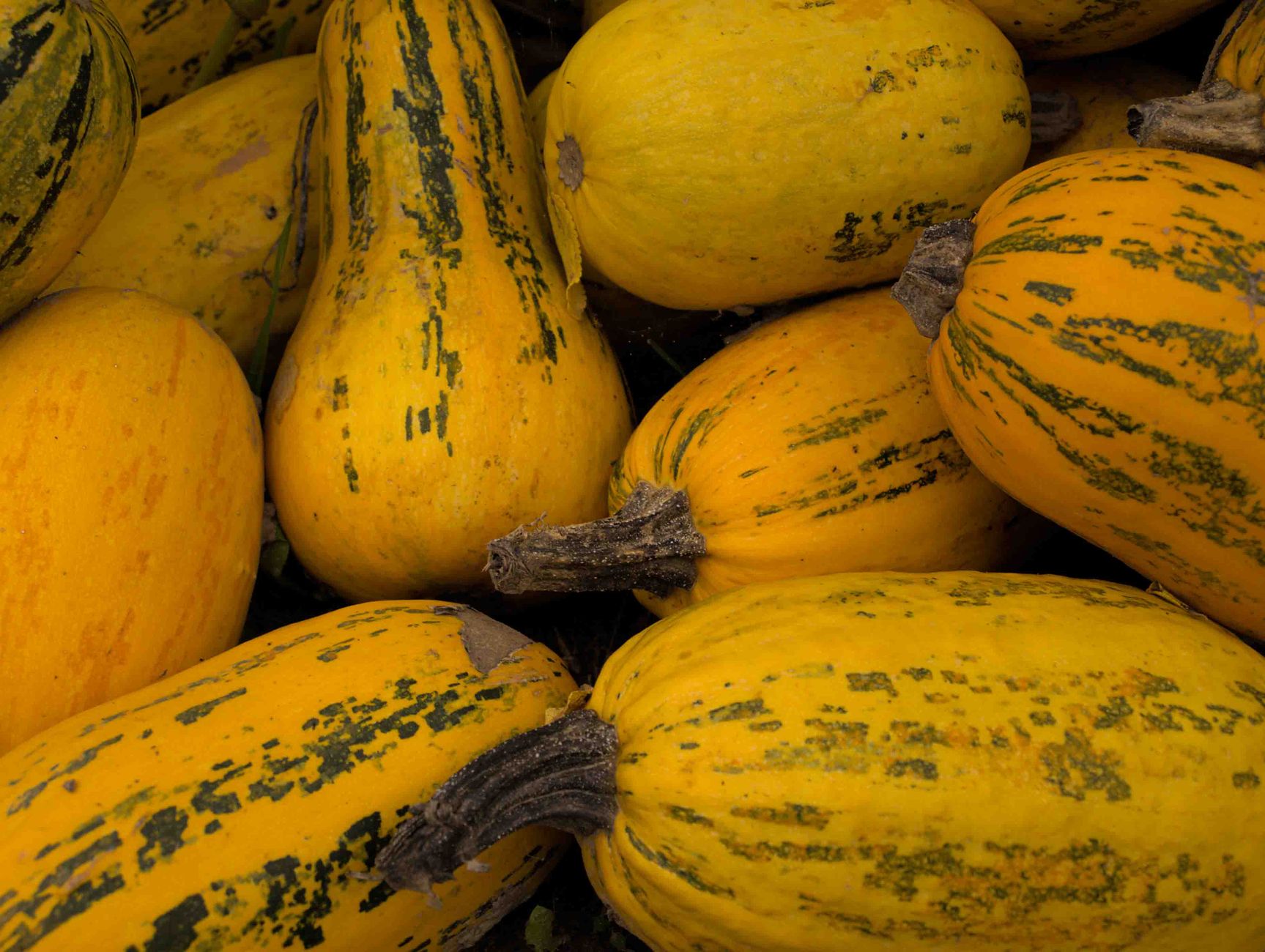
Spaghetti squash has captured attention as a popular low-carb alternative to traditional pasta. This unique vegetable offers a delightful texture and flavor that can satisfy cravings while aligning with various dietary preferences. Understanding the carbohydrate content of spaghetti squash is essential for meal planning, especially for those monitoring their carb intake.
In this article, we will dive into the specifics of spaghetti squash’s nutritional profile, focusing on its carbohydrate content, health benefits, cooking methods, and practical tips to incorporate it into your meals.
How Many Carbs Does Spaghetti Squash Have?
Spaghetti squash has approximately 7 grams of carbohydrates per one-cup serving when cooked. This makes it a favorable choice for those looking to reduce their carb intake. The majority of these carbohydrates are in the form of dietary fiber, bringing its net carb count down significantly.
Understanding Carbohydrates in Spaghetti Squash
Carbohydrates are a primary source of energy for the body, including sugars, starches, and fiber. The carbs in spaghetti squash are unique compared to many other types of pasta and grains since a significant portion is made up of fiber, which does not raise blood sugar levels in the same way that starchy carbs do.
When considering spaghetti squash as a substitute for pasta, it is critical to distinguish between total carbohydrates and net carbohydrates. Net carbs are typically defined as total carbohydrates minus fiber. In the case of spaghetti squash:
- Total Carbohydrates: Approximately 7 grams per cooked cup
- Dietary Fiber: Around 1.5-2 grams per cooked cup
- Net Carbohydrates: 5-5.5 grams per cooked cup
Nutritional Benefits of Spaghetti Squash
Aside from its carb content, spaghetti squash offers a variety of health benefits:
- Low Calorie: With only about 40 calories per cup, it is an excellent choice for those managing their weight.
- Rich in Vitamins: Spaghetti squash is a good source of vitamins A and C, which are essential for maintaining healthy vision and immune function.
- Antioxidants: It contains antioxidants that help combat oxidative stress in the body.
- Hydration: With a high water content, it can contribute to your daily hydration needs.
Cooking Spaghetti Squash
Cooking spaghetti squash is relatively straightforward, and there are several methods to choose from. Below are common techniques:
Baking in the Oven
One of the most popular methods for cooking spaghetti squash is baking. This method intensifies the flavor and yields tender “noodles.”
- Preheat your oven to 400°F (200°C).
- Cut the spaghetti squash in half lengthwise and scoop out the seeds.
- Drizzle olive oil on the inside of the squash and sprinkle with salt and pepper.
- Place the halves cut side down on a baking sheet.
- Bake for about 30-40 minutes, or until tender when pierced with a fork.
- Remove from the oven and let cool slightly. Use a fork to scrape out the flesh, which will come apart in strands resembling spaghetti.
Microwaving
If you’re short on time, using a microwave is a quick and efficient way to cook spaghetti squash.
- Prick the skin of the whole squash multiple times with a sharp knife to prevent it from bursting.
- Place it in the microwave on a microwave-safe plate.
- Microwave on high for about 8-12 minutes, flipping halfway through.
- Once tender, let it cool, cut it in half, and scoop out the seeds before using a fork to scrape the strands.
Boiling
While not as common, boiling is another option for cooking spaghetti squash.
- Cut the spaghetti squash in half and scoop out the seeds.
- Bring a large pot of water to a boil.
- Carefully add the squash halves to the boiling water and cover the pot.
- Cook for 20-30 minutes or until tender, then remove from water and let cool before scraping out the strands.
Substituting Spaghetti Squash
For those interested in experimenting with various low-carb options, there are other vegetables that can be used as substitutes for pasta:
- Zucchini: When spiralized, zucchini makes an excellent low-carb pasta alternative.
- Shirataki Noodles: Made from konjac yam, these noodles are extremely low in calories and carbs.
- Palmini (Hearts of Palm): A unique pasta substitute made from the hearts of palm, they’re low in calories and carbohydrates.
Common Mistakes to Avoid When Cooking Spaghetti Squash
Even with its simplicity, there are some common pitfalls when preparing spaghetti squash:
- Not Cooking Long Enough: Under-cooking can lead to tough strands that aren’t pleasant to eat.
- Cutting Incorrectly: Always cut lengthwise to get the characteristic noodle strands; cutting crosswise will result in shorter pieces.
- Overcooking in the Microwave: This can make the flesh dry; always start with shorter intervals and check for doneness.
Serving Suggestions for Spaghetti Squash
Spaghetti squash can be a versatile base for a variety of dishes. Here are some ideas:
- With Marinara Sauce: Mimic a classic spaghetti dish by topping with marinara sauce and meatballs.
- With Pesto: Combine with pesto and cherry tomatoes for a fresh, light meal.
- In Stir-Fries: Use cooked spaghetti squash as a base for stir-fried vegetables and proteins.
Meal Planning with Spaghetti Squash
Incorporating spaghetti squash into your meal prep can provide healthy meals throughout the week. Here are some strategies:
- Batch Cooking: Prepare multiple squashes at once and store the cooked strands for easy use in various dishes.
- Freezing: Cooked spaghetti squash can be frozen for up to 3 months. Just make sure to store it in airtight containers to prevent freezer burn.
- Meal Combinations: Pair spaghetti squash with proteins like chicken, shrimp, or beans for balanced meals.
Storage and Reheating Guidelines
For optimal freshness, store cooked spaghetti squash in an airtight container in the refrigerator. It can typically last up to 4-5 days. When reheating, the best methods to retain texture are:
- Microwave: Reheat in short intervals, stirring at each step to evenly warm.
- Stovetop: Warm in a pan over medium heat with a splash of olive oil or broth to prevent sticking.
Exploring Different Recipes with Spaghetti Squash
Beyond basic preparation, spaghetti squash can be transformed into various dishes. Here are a few ideas to get you started:
- Spaghetti Squash Pad Thai: Use spaghetti squash as a base for a healthier version of Pad Thai, featuring vegetables, tofu, or shrimp.
- Cheesy Scalloped Spaghetti Squash: Combine with cheese, cream, and spices for a rich side dish.
- Spaghetti Squash Casseroles: Layer with other vegetables and proteins, topped with cheese for a comforting meal.
Spaghetti squash offers a low-carb culinary adventure that can be both satisfying and nutritious. Whether you’re looking to reduce your carb intake or simply want to try a new dish, spaghetti squash can easily fit into various meal plans.
Explore more delicious recipes and cooking techniques, such as this honeynut squash recipe or try some flavorful chicken with honey sesame chicken. Enjoy your cooking journey!