
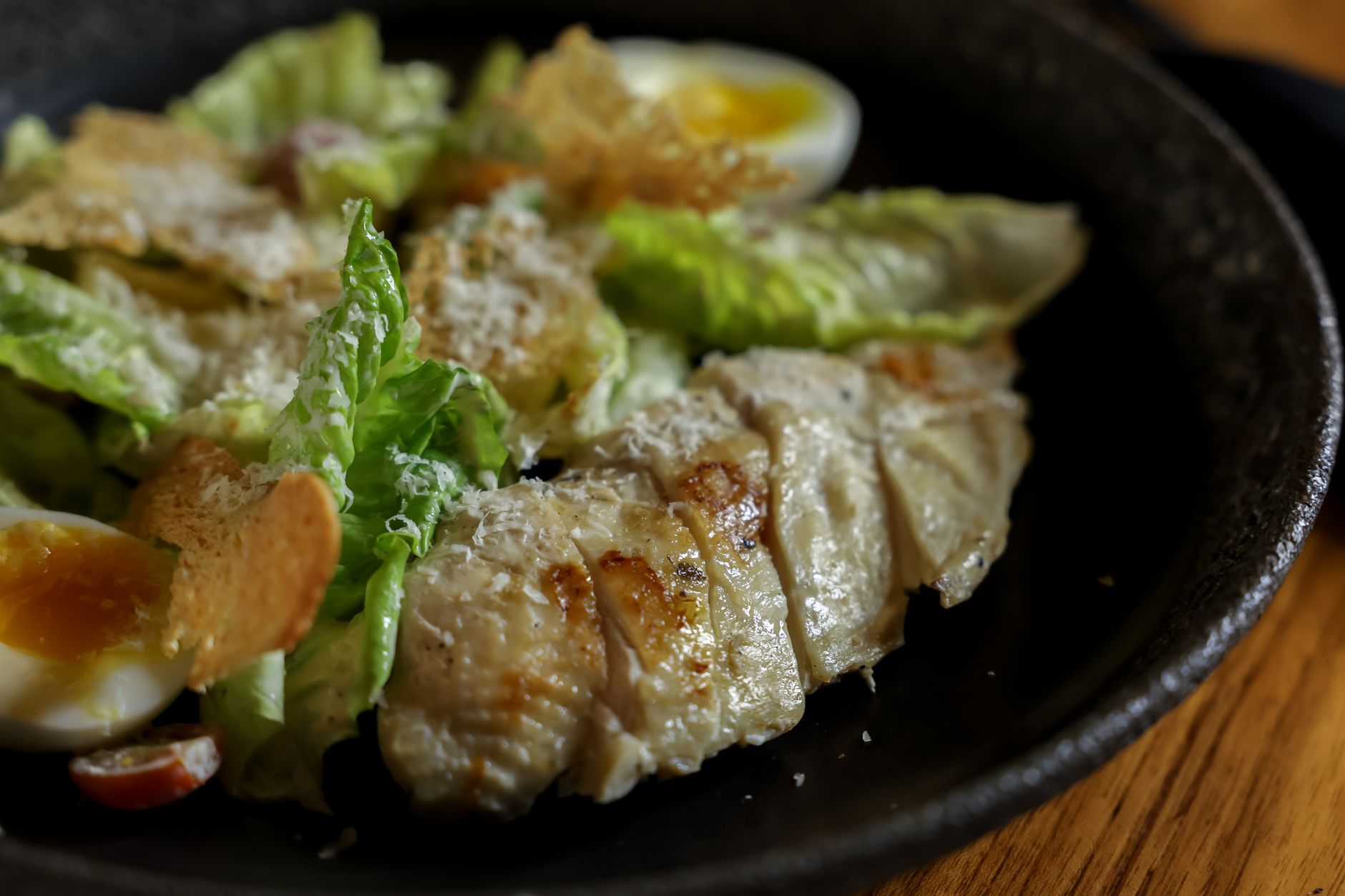
Boiling chicken tenderloins is a straightforward cooking method that results in tender, juicy meat, perfect for salads, sandwiches, or hearty main dishes. Understanding the right boiling time and temperature ensures that the chicken is not only safe to eat but also retains flavor and moisture.
This article breaks down the process for boiling chicken tenderloins, explaining the essential steps, ingredient considerations, and helpful tips to enhance your cooking experience. Whether you’re a seasoned chef or a kitchen novice, boiling chicken tenderloins can be a quick and easy way to prepare this versatile protein.
How Long Do I Boil Chicken Tenderloins?
To boil chicken tenderloins properly, you should cook them for about 12 to 15 minutes. This time frame ensures that the chicken reaches a safe internal temperature of 165°F (74°C) while remaining moist and flavorful.
Understanding Chicken Tenderloins
Chicken tenderloins are the small strips of meat located underneath the chicken breast. They are known for their delicate texture, mild flavor, and ease of cooking.
- Texture: They are tender and juicy, making them ideal for quick-cooking methods like boiling.
- Flavor: Their mild flavor allows them to absorb other flavors well, making them suitable for various recipes and seasonings.
- Culinary Uses: Frequently used in salads, sandwiches, and stir-fries, they are a convenient protein option.
Preparation Time and Cooking Time
- Preparation Time: 10 minutes
- Cooking Time: 12 to 15 minutes
- Total Time: Approximately 25 minutes
Essential Equipment
Before starting to boil your chicken tenderloins, assemble the following equipment:
- A large pot with a lid
- A thermometer to check for doneness
- A slotted spoon or tongs for removing the chicken
- A cutting board and knife for slicing
Cooking Method: How to Boil Chicken Tenderloins
- Prepare the Chicken: Rinse the chicken tenderloins under cold water and pat them dry with paper towels. Trim any excess fat or tendons if necessary.
- Bring Water to a Boil: Fill a large pot with enough water to cover the tenderloins completely, about 4 to 6 cups. Add salt (1-2 teaspoons) and any desired seasonings (such as garlic powder, onion powder, or bay leaves) to enhance the flavor. Bring the water to a rolling boil over high heat.
- Add Chicken Tenderloins: Once the water is boiling, carefully lower the chicken tenderloins into the pot using a slotted spoon or tongs. Be cautious to avoid splashing boiling water.
- Boil the Chicken: Reduce the heat to medium-high and cover the pot. Boil the chicken for 12 to 15 minutes. Check for doneness with a meat thermometer, ensuring the internal temperature reaches 165°F (74°C).
- Remove and Rest: Once cooked, carefully remove the chicken tenderloins using a slotted spoon. Allow them to rest on a cutting board for at least 5 minutes before slicing or shredding. This helps retain moisture.
Flavoring the Cooking Water
The water used to boil chicken tenderloins can significantly impact the flavor of the meat. Here are some ideas to consider:
- Herbs: Rosemary, thyme, basil, parsley, or dill can impart aromatic flavors.
- Vegetables: Add sliced onions, garlic, or carrots for depth.
- Acidic Ingredients: A splash of lemon juice or vinegar can brighten the flavor.
Common Mistakes to Avoid
- Overcooking: Boiling chicken tenderloins for too long can result in dry meat. Always check the internal temperature early.
- Undercooking: Ensure that all parts of the chicken are cooked to 165°F (74°C) to avoid foodborne illnesses.
- Skipping Seasoning: Don’t underestimate the impact of seasoning the cooking water. A well-seasoned boil enhances the tenderness and flavor of the chicken.
Serving Suggestions
Boiled chicken tenderloins can be used in various delicious dishes. Here are a few serving ideas:
- Salads: Slice or shred boiled chicken and add it to a green salad with your favorite dressing.
- Sandwiches: Use chopped tenderloins in sandwiches or wraps, complemented by fresh vegetables and spreads.
- Stir-Fries: Incorporate boiled chicken into stir-fried vegetables and sauces for a quick meal.
Storage and Reheating
Proper storage and reheating are crucial for maintaining the chicken’s quality and safety. Follow these guidelines:
- Refrigeration: Store cooked chicken tenderloins in an airtight container in the refrigerator for up to 3-4 days.
- Freezing: For longer storage, freeze the chicken in a freezer-safe bag for up to 4 months. Thaw overnight in the refrigerator before reheating.
- Reheating: Reheat already boiled chicken in a microwave, skillet, or oven until heated through. Avoid reheating multiple times to preserve quality.
Variations and Substitutions
While chicken tenderloins make an excellent choice, you can experiment with other meat options. Consider the following:
- Chicken Breasts: Use chicken breasts, but adjust cooking time to 15-20 minutes depending on thickness.
- Turkey Tenderloins: Turkey works similarly; keep an eye on the internal temperature for doneness.
- Vegetarian Options: If looking for a plant-based substitute, consider boiling tofu or tempeh, adjusting the boiling time accordingly.
Frequently Asked Questions
Can I boil frozen chicken tenderloins?
Yes, you can boil frozen chicken tenderloins without thawing. However, increase the boiling time by 5-10 minutes and ensure that the chicken reaches an internal temperature of 165°F (74°C).
Can I use a pressure cooker instead of boiling?
Absolutely! If you’re using a pressure cooker, boil the tenderloins under pressure for about 6-8 minutes. This method also helps retain moisture while speeding up the cooking process.
How can I tell when chicken is done without a thermometer?
While using a meat thermometer is the safest method, you can check the doneness by slicing the thickest part of the tenderloin. The juices should run clear, and there should be no pink meat inside.
Conclusion
Boiling chicken tenderloins is a simple yet effective cooking method that yields versatile results. By following the outlined steps, you can prepare delicious chicken ready to be incorporated into various meals. Remember to experiment with flavors, storage techniques, and alternative proteins to keep your meals exciting.
For more cooking tips and related articles, be sure to check out how long cooked chicken lasts or learn the right way to bake chicken legs at 400 degrees. Happy cooking!