
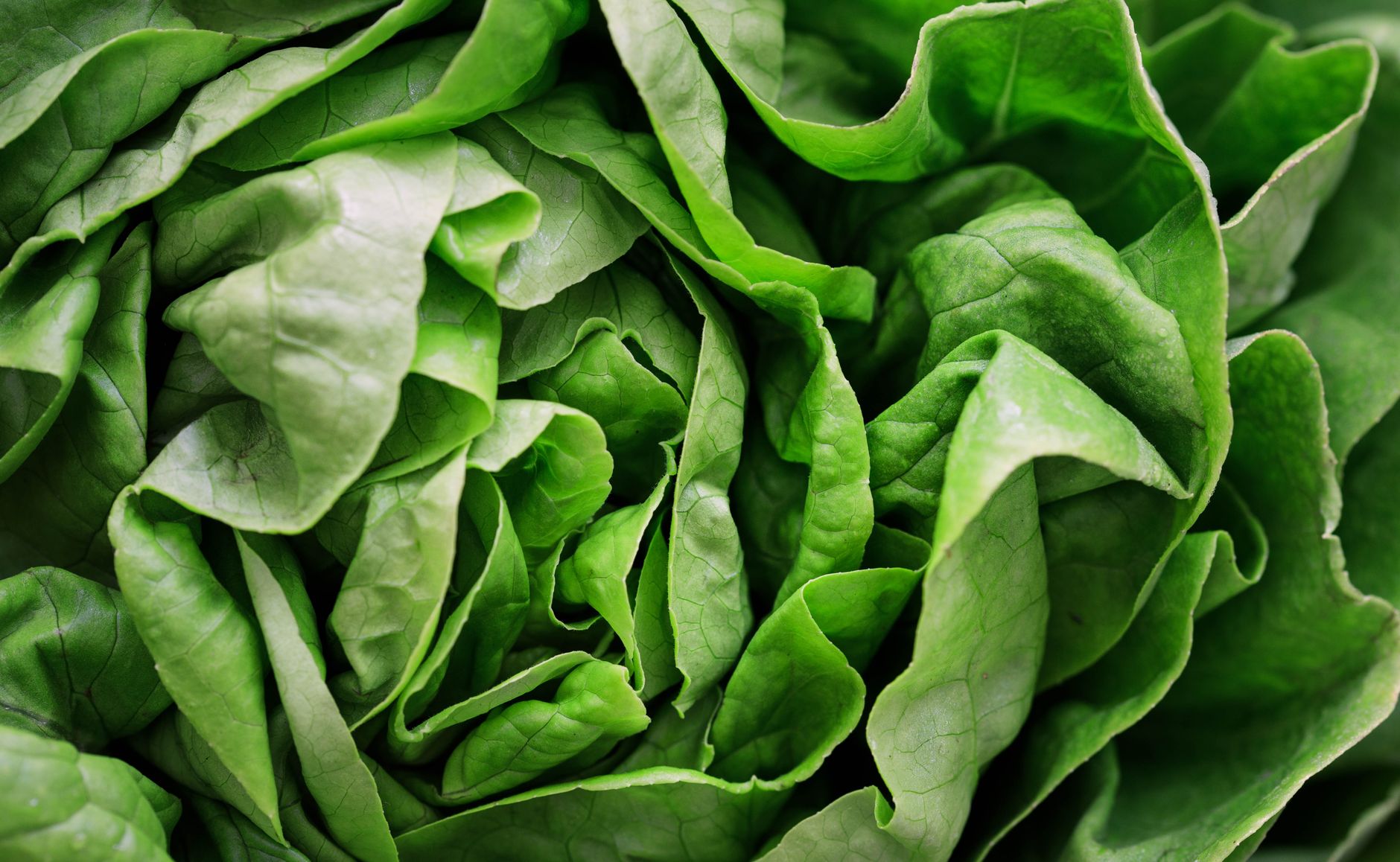
Lettuce is a widely used leafy green that serves as a base for salads, garnishes, and sandwiches. It’s valued not only for its crunch and fresh flavor but also for its low carbohydrate content, making it a popular choice among health-conscious eaters. Understanding the carbohydrate content in different types of lettuce can help you plan meals effectively, particularly if you are following a low-carb or ketogenic dietary regimen.
This article will detail how many carbohydrates various types of lettuce contain, helping you make informed choices for your meals. We will also explore other nutritional aspects, the culinary uses of lettuce, and practical tips for incorporating it into your diet.
How Many Carbs Does Lettuce Have?
The carbohydrate content in lettuce varies depending on the type. On average, one cup of raw lettuce contains approximately 1 to 2 grams of carbohydrates. Below are some specific numbers for commonly consumed types of lettuce:
| Lettuce Type | Carbohydrates (per 1 cup, shredded) |
|---|---|
| Iceberg Lettuce | 1.5 grams |
| Romaine Lettuce | 1.5 grams |
| Butterhead Lettuce | 1.0 gram |
| Leaf Lettuce (red or green) | 1.0 gram |
| Arugula | 0.5 grams |
From the table above, it is clear that lettuce is a very low-carb food, making it an excellent addition to various diets. The specific carbohydrate content might differ slightly depending on factors such as growing conditions and how it is prepared.
Nutritional Overview of Lettuce
Beyond just carbohydrates, lettuce is packed with essential nutrients and water, which contributes to its low calorie count. Here’s a quick breakdown of the nutritional content of a one-cup serving of common varieties of lettuce:
- Calories: Approximately 5 to 10 calories
- Fiber: 1 to 2 grams
- Protein: 0.5 to 1 gram
- Fat: 0.1 gram
- Vitamins: High in vitamins A, K, and some B vitamins
- Minerals: Contains potassium, calcium, and magnesium
The high water content (around 95%) in lettuce further contributes to its hydration and very low calorie count, making it a weight loss-friendly option. Additionally, vitamins and minerals in lettuce support various bodily functions, from vision health to blood clotting.
Types of Lettuce and Their Culinary Uses
There are many varieties of lettuce, each with its characteristics and culinary applications. Knowing these can help you choose the right type for your recipes.
1. Iceberg Lettuce
Iceberg is known for its crisp texture and mild flavor. It’s often used in sandwiches, burgers, or salads due to its sturdy leaves. While it is lower in nutrients compared to darker leafy greens, it remains a popular choice for its crunch.
2. Romaine Lettuce
Romaine has an elongated shape and a more robust flavor. It’s typically used in Caesar salads but also shines in other salad preparations. Romaine provides a bit more nutrition than iceberg, with higher levels of vitamins A and K.
3. Butterhead Lettuce
Butterhead, which includes Boston and Bibb varieties, is tender and has a mild taste. The leaves are soft and can be used in salads or as wraps for fillings. This type of lettuce has a slightly sweeter flavor profile, making it versatile.
4. Leaf Lettuce
Available in red and green varieties, leaf lettuce is known for its delicate texture. It’s great for salads or as garnishes and can be easily combined with various dressings. Its bright color adds visual appeal to any dish.
5. Arugula
Though technically not a type of lettuce but a leafy green, arugula has a peppery, slightly bitter taste. It’s more flavorful than traditional lettuces and is often used in salads, pizzas, and omelets.
Practical Tips for Using Lettuce in Your Diet
Lettuce can be seamlessly integrated into many meals. Here are some practical tips for incorporating it into your diet:
- Salads: Use various types of lettuce as a base mixed with other vegetables, nuts, and proteins for balanced salads.
- Wraps: Use large lettuce leaves instead of bread or tortillas for low-carb wraps filled with proteins, vegetables, and sauces.
- Garnishes: Lettuce can be used to garnish dishes such as grilled meats or tacos, adding crunch and freshness.
- Smoothies: For a nutrient boost, add a handful of leafy lettuce to your smoothies, combining it with fruits for added flavor.
- Cooked Dishes: While less common, lettuce can be lightly sautéed or used in stir-fries for added texture and flavor.
Common Mistakes to Avoid with Lettuce
When working with lettuce, here are some common blunders to avoid:
- Washing: Always wash your lettuce to remove dirt and potential pesticides. Use cold water and store it dry to prevent wilting.
- Storing improperly: Lettuce should be stored in the crisper drawer of your refrigerator in a breathable bag to maintain freshness.
- Overdressing salads: Too much dressing can weigh down the delicate leaves. Start with a small amount and add more as needed.
Storage and Preparation Tips
Proper storage and preparation can enhance the quality and longevity of your lettuce:
Storage
- Keep washed and dried lettuce in a sealed container or bag in the refrigerator for up to a week, depending on the variety.
- For longer storage, consider freezing blanched lettuce, although the texture will change once thawed.
Preparation
- Remove any damaged or wilted leaves before preparing your lettuce for a fresher taste.
- Shred the leaves just before using them in salads to help retain their crispness.
Conclusion
Lettuce is a versatile food with minimal carbohydrates, making it an excellent choice for salads, wraps, and garnishes. Different varieties bring unique flavors and textures to your kitchen, allowing for creativity and healthfulness in meal planning. With the information provided, you can confidently incorporate lettuce into your diet, knowing you are making a nutritious choice.
Explore different ways to enjoy lettuce and consider trying our wilted lettuce recipe or experimenting with dandelion greens by visiting wilted lettuce recipe and dandelion greens recipe.